News Anchor Kelly Gets Her First Mammogram at 40
KOMO News anchor Kelly Koopmans shared her first mammogram experience to encourage women to prioritize early breast cancer screening. Her honest account shows that the 10-minute exam was less scary than expected and could save lives.
When KOMO News anchor Kelly Koopmans turned 40, she did something that could save her life: she scheduled her first mammogram and invited viewers along for the journey.
One in eight women will develop breast cancer in their lifetime. Studies show mammograms can detect cancer up to two years before you can feel it, making early screening critical.
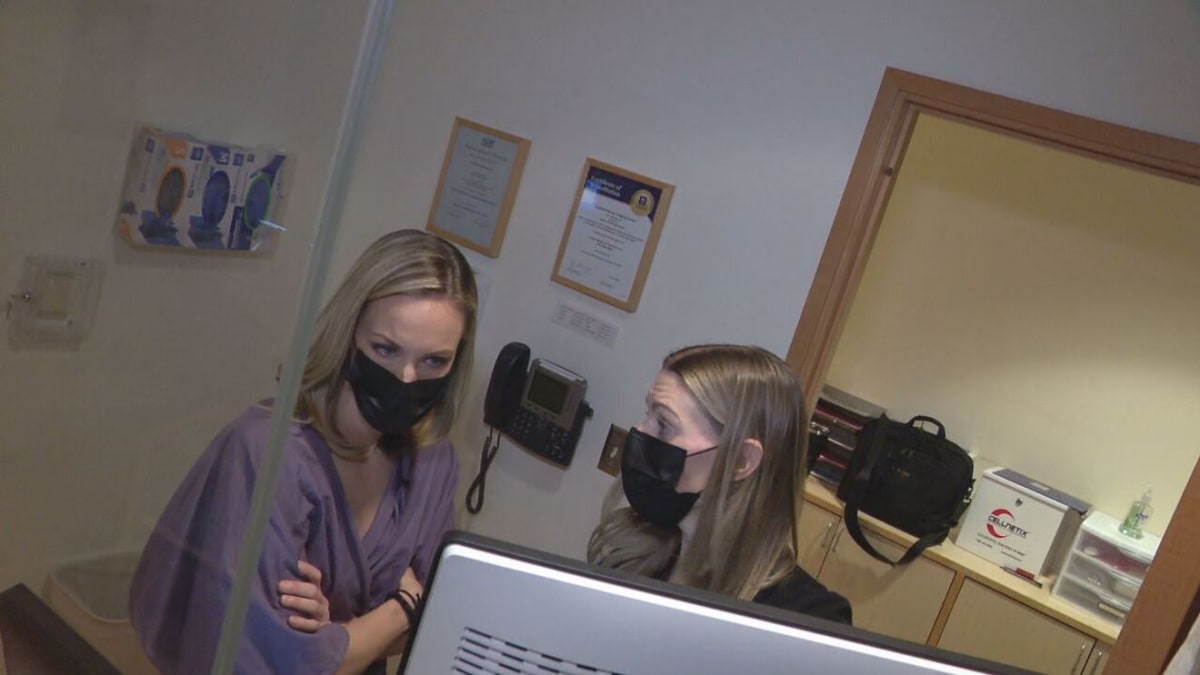
At Seattle's Swedish Breast Imaging Center, technologist Michelle Reader guided Kelly through the process. The exam took just 10 minutes and involved four images, two of each breast.
"It's going to feel like I'm both pulling on your breast and skin," Reader explained. Kelly's verdict? Uncomfortable, maybe, but not painful.
"The hope is you come out thinking, 'that wasn't as bad as I thought,'" Reader said. For Kelly, that's exactly what happened.
Imaging Manager Laura Roberts shared powerful numbers: early detection lowers the risk of dying from breast cancer by 40%. Annual screenings are generally recommended starting at age 40 for women at average risk.
Dr. Maryanne Dubard-Gault stressed the importance of knowing your family history and other risk factors. Dense breast tissue, smoking, drinking, and never having given birth can all add up to increased risk.
Kelly doesn't have a family history of breast cancer, but watching her husband battle cancer at 38 motivated her to be proactive. "I want to be as proactive with my health as I can," she said.
Reader offered reassurance for anyone worried about callbacks. It's common for doctors to request additional screening after a first mammogram, and fewer than 1 in 10 women called back are found to have cancer.
A week and a half later, Kelly's results came back negative with no signs of abnormality. She's scheduled to return in a year.
Why This Inspires
Kelly's decision to share such a personal medical experience publicly helps break down the fear and mystery surrounding mammograms. By showing that the screening is quick, manageable, and potentially life-saving, she's encouraging other women to take that important step.
Her transparency matters because not attending a screening won't make potential problems disappear. It just delays diagnosis when early detection could make all the difference.
One anchor's 10-minute exam might inspire countless women to schedule theirs.
Based on reporting by Google News - Health
This story was written by BrightWire based on verified news reports.
Spread the positivity!
Share this good news with someone who needs it