Nigeria Averts Airline Shutdown With Relief Package
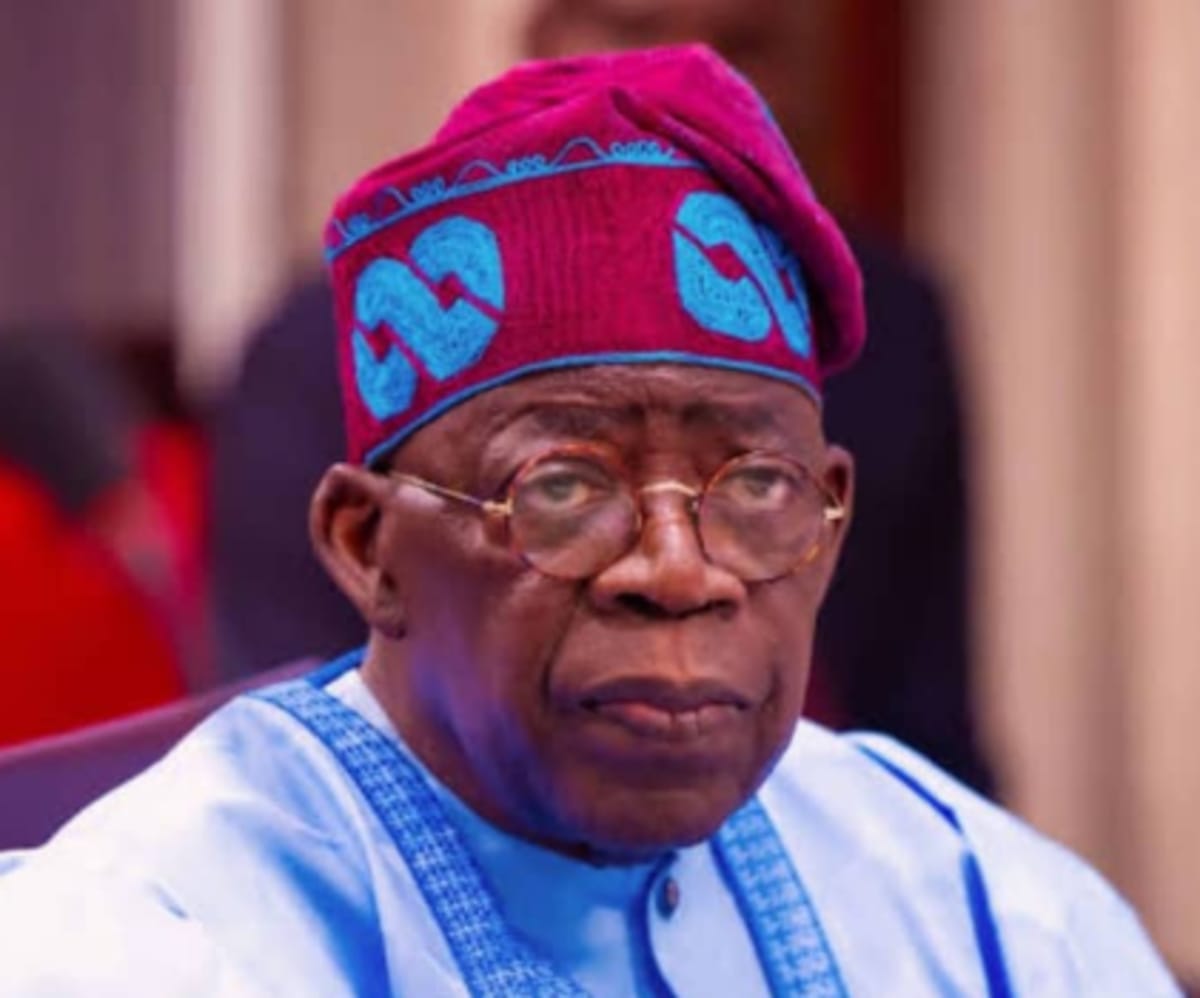
President Tinubu stepped in to save Nigeria's struggling airlines from collapse, offering debt relief and tax reviews as fuel costs threatened to ground flights nationwide. The intervention came just hours before operators planned to suspend all services.
Nigerian airlines were on the brink of shutting down completely when President Bola Tinubu offered a lifeline that could keep planes in the sky and passengers moving.
The country's airline operators had threatened to suspend all flights starting April 20, 2026, after jet fuel prices skyrocketed by 300 percent. That's not a typo: while global fuel prices rose modestly, Nigerian carriers faced costs three times higher than before, pushing many to the edge of bankruptcy.
Aviation Minister Festus Keyamo met with the President in an emergency session and emerged with promising news. Tinubu agreed to grant discounts on debts airlines owe to aviation agencies like the Nigerian Airspace Management Agency and Federal Airports Authority of Nigeria. The President will personally determine how much relief to provide after reviewing formal requests.
But the intervention goes deeper than just debt forgiveness. Tinubu ordered the creation of a committee to review the mountain of taxes, levies, and fees stacked on domestic air travel. The goal is to eliminate or reduce charges that make flying in Nigeria unnecessarily expensive for both airlines and passengers.
Allen Onyema, founder of Air Peace, explained why the crisis became so urgent. "The airlines are bleeding," he said, noting that continued operations under such financial strain could compromise safety and critical maintenance. No airline wants to choose between staying in business and keeping passengers safe.
The Bright Side
This government response shows what's possible when leaders listen to industry concerns before disaster strikes. Rather than letting airlines collapse and leaving millions of Nigrians without air travel, officials acted quickly to address both immediate and long term problems.
The President plans to meet directly with airline operators in coming days to discuss sustainable solutions, including access to affordable financing. Currently, Nigerian carriers pay interest rates of 30 to 35 percent while global airlines borrow at around three percent, making it nearly impossible to invest in growth or weather economic storms.
A follow up meeting with fuel marketers was scheduled to address pricing concerns, with officials hoping to resolve key issues within 24 hours. Operators questioned why domestic fuel prices spiked so dramatically when sources like the Dangote refinery should provide more affordable options.
The quick action earned praise from airline operators, though they continue pushing for complete debt waivers until fuel prices stabilize. President Tinubu also commended airlines for refusing to raise ticket prices despite crushing operational costs, recognizing their commitment to keeping travel accessible for ordinary Nigerians.
Nigeria's aviation sector just got a second chance to build something more sustainable.
Based on reporting by Vanguard Nigeria
This story was written by BrightWire based on verified news reports.
Spread the positivity!
Share this good news with someone who needs it