Nigeria Invests in 18 Medical Schools to Keep Doctors Home
Nigeria is pouring funds into upgrading 18 medical schools and building simulation labs nationwide, part of a bold plan to train more doctors and stop them from leaving the country. The investment tackles Africa's healthcare crisis head-on, as the continent carries 25% of global disease but has only a fraction of the world's health workers.
Nigeria just announced a major investment in medical education that could help solve one of Africa's most urgent problems: losing trained doctors to other countries.
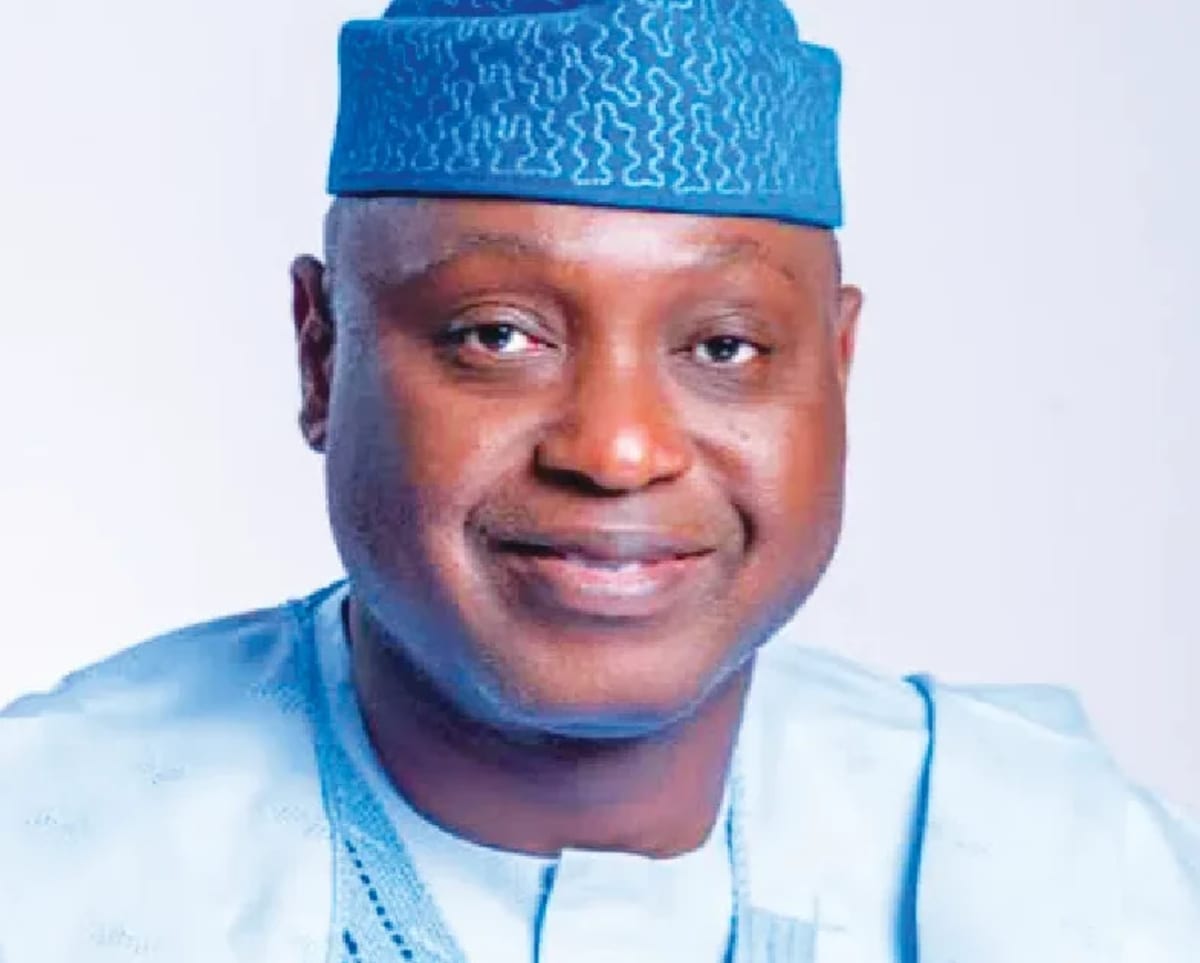
The federal government will rehabilitate 18 medical colleges across Nigeria and expand simulation labs where students practice procedures before treating real patients. Dr. David Atuwo, representing the Minister of Education, called it a "deliberate reform" to train and keep health workers in the country under President Bola Tinubu's administration.
The announcement came at the 2025 Medical Education Conference in Lagos, organized by the Association of Medical Schools in Africa in partnership with the World Health Organization. Medical school deans, professors, and regulators from across the continent gathered to address what Atuwo called a "critical inflection point" in African healthcare.
The numbers tell a stark story. Africa shoulders nearly a quarter of the world's disease burden but has only a tiny fraction of global health workers. Brain drain makes it worse as skilled professionals migrate to higher-paying jobs abroad, leaving health systems struggling.
Nigeria's education officials aren't apologizing for the focus on medical training. "They are even accusing us that we are laying too much emphasis on medical education, and we are not apologetic for it," Atuwo told the conference delegates.
The investment includes upgrading infrastructure through education funds, strengthening how medical schools get accredited, and pushing digital transformation across institutions. But officials know building schools isn't enough without jobs waiting for graduates.
The Ripple Effect
The government is coordinating with the Federal Ministry of Health to ensure trained doctors actually get deployed where they're needed. "Training without deployment and education without service cannot deliver the outcomes we so dearly seek," Atuwo emphasized.
The conference brought together the incoming and outgoing leaders of AMASA, an organization with roots stretching back to 1961 at the University of Ibadan. That original vision of connecting research, education, and patient care still drives the mission over 60 years later.
Atuwo, a medical doctor himself from Bayelsa State, thanked the educators personally. "Without you, I'd probably be a fisherman in my state," he said, crediting medical teachers with shaping not just careers but humanity's future.
The investment signals Nigeria recognizes what's at stake: you can't build a healthy nation without doctors who stay to serve it.
More Images


Based on reporting by AllAfrica - Health
This story was written by BrightWire based on verified news reports.
Spread the positivity!
Share this good news with someone who needs it