Nigeria Becomes First in Africa to Package WHO HIV Tests
A Lagos facility just earned approval to locally package WHO-approved HIV tests, making Nigeria the only country in Africa with this capability. This milestone could transform how the continent supplies essential medical diagnostics.
For the first time, Africa has a facility packaging HIV rapid tests that meet the world's highest quality standards.
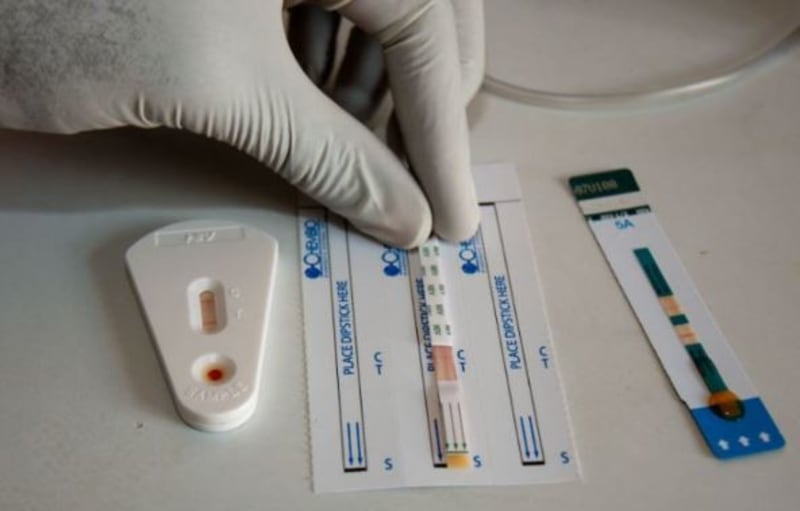
Nigeria's Colexa Biosensor in Lagos received approval from the World Health Organization to locally package the Standard Q HIV 1 & 2 Rapid Diagnostic Test. The facility is now the only site on the continent authorized to package a WHO pre-qualified HIV test, a designation that governments and international donors worldwide use to guide their purchasing decisions.
The achievement addresses a critical vulnerability that has plagued African healthcare for decades: nearly total dependence on imported medical supplies. During COVID-19, countries across the continent faced dangerous delays in receiving essential tests and treatments as global supply chains buckled under pressure.
Now Nigeria can respond faster to testing demand, cut delivery times, and keep HIV programs running without waiting for shipments from distant manufacturing hubs. The Nigerian Federal Ministry of Health has already approved the test for use in national HIV programs, making it eligible for government and donor-funded procurement.
WHO pre-qualification isn't a rubber stamp. Any facility seeking approval must prove through rigorous audits that every package meets identical safety, quality, and performance standards as products made anywhere else in the world.
The Ripple Effect
This breakthrough challenges a stubborn assumption that high-quality medical manufacturing must happen outside Africa. Nigeria demonstrated that with proper regulatory oversight and technical partnerships, African facilities can meet the same global benchmarks applied to manufacturers in Asia, Europe, or North America.
The economic benefits extend beyond HIV testing. Shorter supply chains mean lower logistics costs and more predictable delivery schedules. Local involvement also creates opportunities for Nigerian professionals to gain expertise in quality management, regulatory compliance, and manufacturing operations.
Colexa Biosensor also produces blood glucose meters and diabetes test strips, reflecting Nigeria's dual challenge of fighting infectious diseases while chronic illnesses like diabetes rise rapidly across the population. This dual focus positions the facility to serve evolving health priorities across the continent.
The regulatory pathway Nigeria carved could guide similar initiatives in other African countries. Regional health bodies have long advocated for local production of essential medical products as both a health security strategy and an economic development opportunity, but progress has stalled due to regulatory complexity and quality assurance challenges.
With HIV testing demand remaining high, particularly in underserved communities, reliable access to quality-assured diagnostics remains essential for prevention, treatment, and tracking infection rates. Local packaging won't eliminate the need for global supply chains, but it makes them more resilient and responsive to African needs.
This milestone represents something bigger than one facility or one product: a gradual but meaningful shift toward health systems that can rely on themselves while meeting global standards.
More Images




Based on reporting by Punch Nigeria
This story was written by BrightWire based on verified news reports.
Spread the positivity!
Share this good news with someone who needs it