Nigeria Brings Mobile Signal to 78% of Major Highways
Nigeria now has mobile coverage on nearly four out of five major roads, a breakthrough for millions who depend on connectivity for safety, emergency response, and moving goods across the country. The progress marks a major step forward, though the push for faster, more reliable service continues.
Imagine driving a truck full of crops to market, rushing to an accident scene as a paramedic, or patrolling a highway as a security officer. In Nigeria, staying connected while on the move just became far easier.
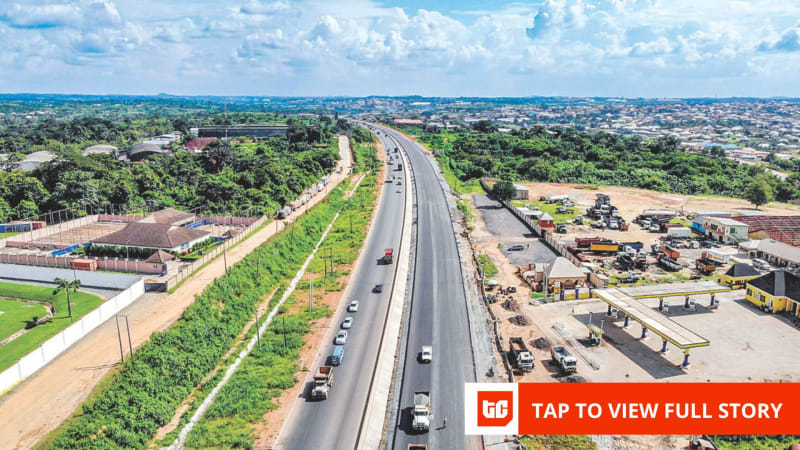
Nearly 78% of Nigeria's major roads now have mobile signal coverage, according to a new report from the Nigerian Communications Commission. That's a huge leap for a country where millions travel highways daily to transport goods, respond to emergencies, and keep vital economic corridors running smoothly.
"There's a critical need for moving goods and general logistics, and connectivity plays a central role in that," said Umar S. Abdullahi, Special Adviser to the commission's Executive Vice Chairman. Mobile networks have become as essential to the country as the roads themselves.
The commission mapped Nigeria's highways using geospatial technology and real-world device data to measure actual service quality, not just theoretical coverage. Roads were classified into trunk routes connecting major cities, primary roads serving urban centers, and secondary roads linking smaller towns and rural areas.
The progress hasn't been easy. Highway cell towers face vandalism at three times the rate of urban sites, with batteries frequently stolen. Over 90% of roadside towers run solely on diesel generators, making them far more expensive to maintain than city infrastructure.
The Ripple Effect
Better highway connectivity is projected to boost Nigeria's GDP by up to 0.5%, according to the commission. Real-time logistics tracking becomes possible when truck drivers can stay connected. Emergency services can respond faster to accidents. Farmers transporting goods can coordinate with buyers and navigate changing market conditions.
The improvements around economic hubs like Lagos, Abuja, and Port Harcourt are particularly strong. But challenges remain in border towns and rural areas, where over 120 "critical black spots" still exist, mostly in North-Central and South-East regions.
The commission isn't stopping here. Plans for 2026 include allowing phones to automatically switch between carriers in low-coverage areas and dedicating special long-range spectrum bands to operators who commit to end-to-end highway coverage. These low-frequency signals travel farther and work better across wide-open spaces.
While only 42% of covered roads currently offer high-speed 4G or 5G service, the foundation is being laid. MTN leads in overall highway coverage, followed by Airtel, with 4G proving the most reliable technology for consistent service along major routes.
Operators now face a 90-day deadline to fix identified black spots or face sanctions. That accountability, combined with strategic infrastructure investments, signals Nigeria's commitment to keeping its people connected wherever the road takes them.
For millions of Nigerians whose livelihoods depend on staying connected while on the move, these highways are finally becoming true pathways to progress.
Based on reporting by TechCabal
This story was written by BrightWire based on verified news reports.
Spread the positivity!
Share this good news with someone who needs it