Nigeria Delivers First Electric Vehicles to Civil Servants
Nigeria's federal government has delivered its first batch of electric vehicles promised to civil servants, marking the start of a major clean energy shift. The rollout includes EV infrastructure at 16 universities and over 80 new gas retail licenses to slash transportation costs nationwide.
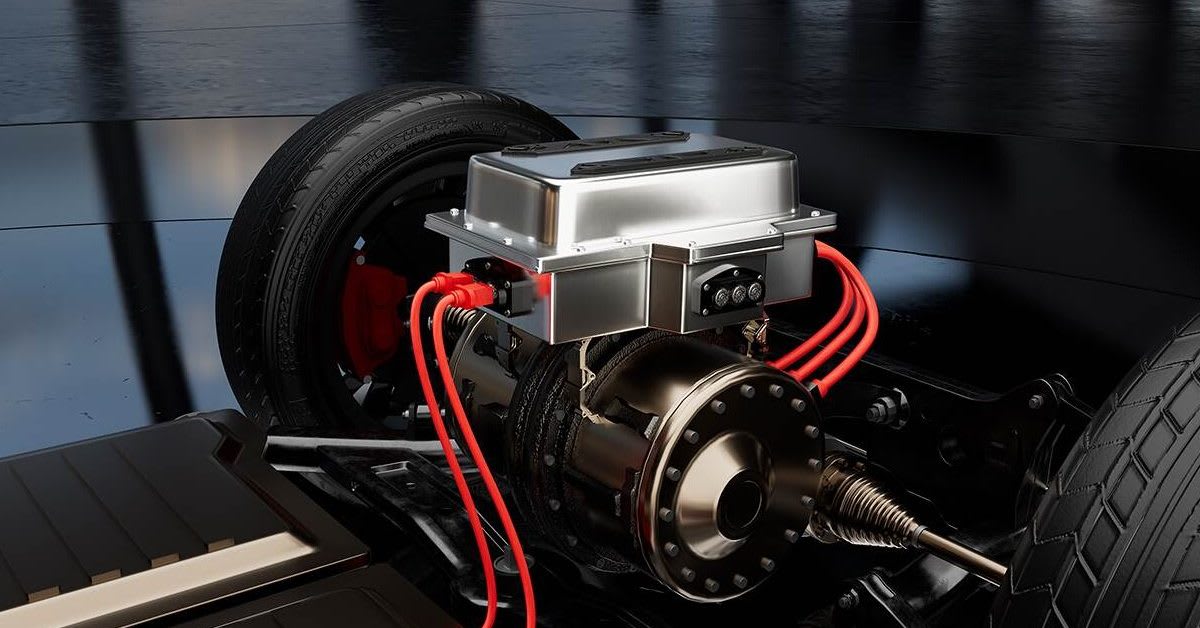
Nigerian civil servants just received something that could transform how the country moves: the first delivery of electric vehicles promised by President Bola Tinubu's administration.
The handover signals the beginning of Nigeria's ambitious push toward cleaner, cheaper transportation. Oluwemimo Joseph Osanipin, Director-General of the National Automotive Design and Development Council, confirmed the delivery after meeting with President Tinubu at the Presidential Villa in Abuja.
"This is the beginning of more and more that will come," Osanipin said. The vehicles represent more than just new cars for government workers.
They're part of a broader strategy to reduce Nigeria's dependence on expensive petrol and diesel while cutting emissions. The government has already deployed electric vehicle charging infrastructure at 16 universities across the country, building the foundation for wider adoption.
But electric vehicles are only part of the story. Nigeria is simultaneously expanding its Compressed Natural Gas (CNG) network with remarkable speed.
The number of licensed gas retailers has exploded from just four companies to 81. That dramatic increase means CNG is now available in states where it was previously impossible to find.
The savings are real and dramatic. One traveler saw fuel costs on a journey plummet from over 200,000 naira to just 40,000 naira after switching to CNG. He was able to refill in Kano, demonstrating that the infrastructure is spreading beyond major commercial centers.
Osanipin acknowledged that not all commercial transport operators are passing these savings to passengers yet. The government plans to address this once infrastructure expansion is complete, ensuring everyday Nigerians benefit from lower fares.
The Ripple Effect
Nigeria's clean energy push is creating jobs and attracting investment across the automotive sector. The surge in gas retail licenses alone represents significant private sector confidence in the initiative's future.
Universities hosting EV infrastructure are becoming testing grounds for the next generation of clean transportation. Students and staff get firsthand experience with electric mobility, building knowledge that will accelerate adoption nationwide.
The government is also developing new legislation to strengthen the automotive sector's regulatory framework. These policies aim to attract more investment and promote local manufacturing, potentially creating thousands of jobs.
The transition won't happen overnight. Building filling stations, mobile refueling units, and gas production facilities takes time and capital. But the momentum is building faster than many expected.
Fleet operators are already benefiting from dramatically lower operating costs. As more infrastructure comes online and enforcement mechanisms take effect, those savings should reach ordinary Nigerians through cheaper transportation.
Nigeria is betting that cleaner, cheaper energy can help millions of people while building a stronger automotive industry for the future.
Based on reporting by Vanguard Nigeria
This story was written by BrightWire based on verified news reports.
Spread the positivity!
Share this good news with someone who needs it