Tiny Sensor Could Give Electric Cars Longer Range
Texas Instruments just created a sensor the size of a fingernail that could help electric vehicles drive farther on a single charge. The breakthrough lets EVs manage their power more precisely, reducing waste and making rides smoother.
A tiny new sensor from Texas Instruments could help electric cars squeeze more miles from every charge while delivering a smoother, quieter ride.
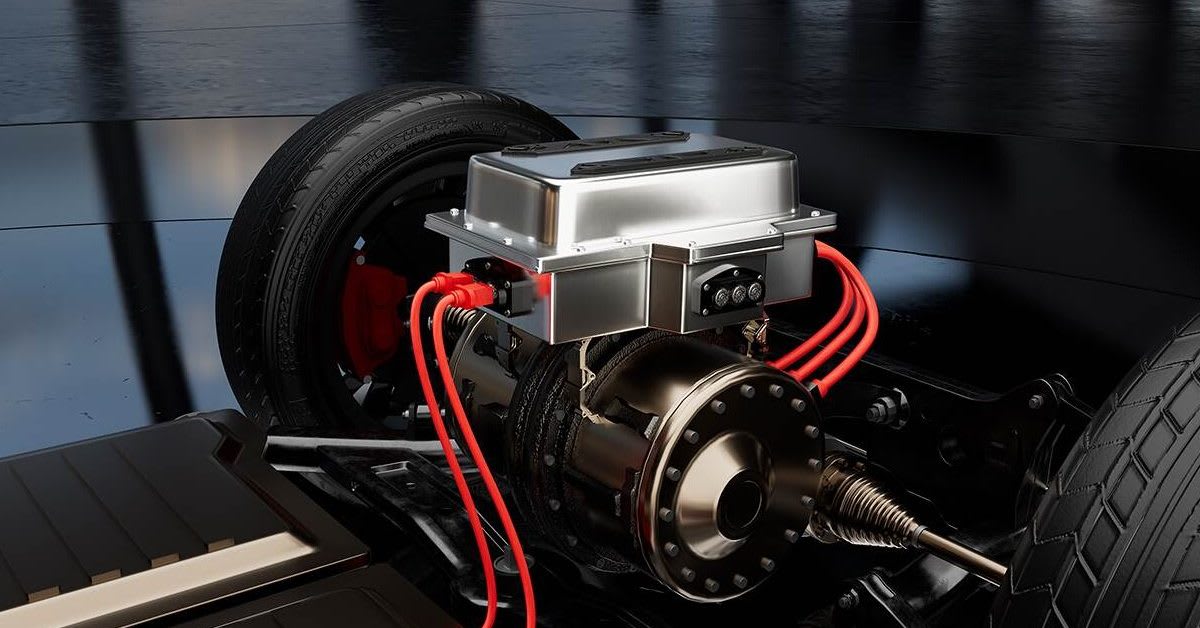
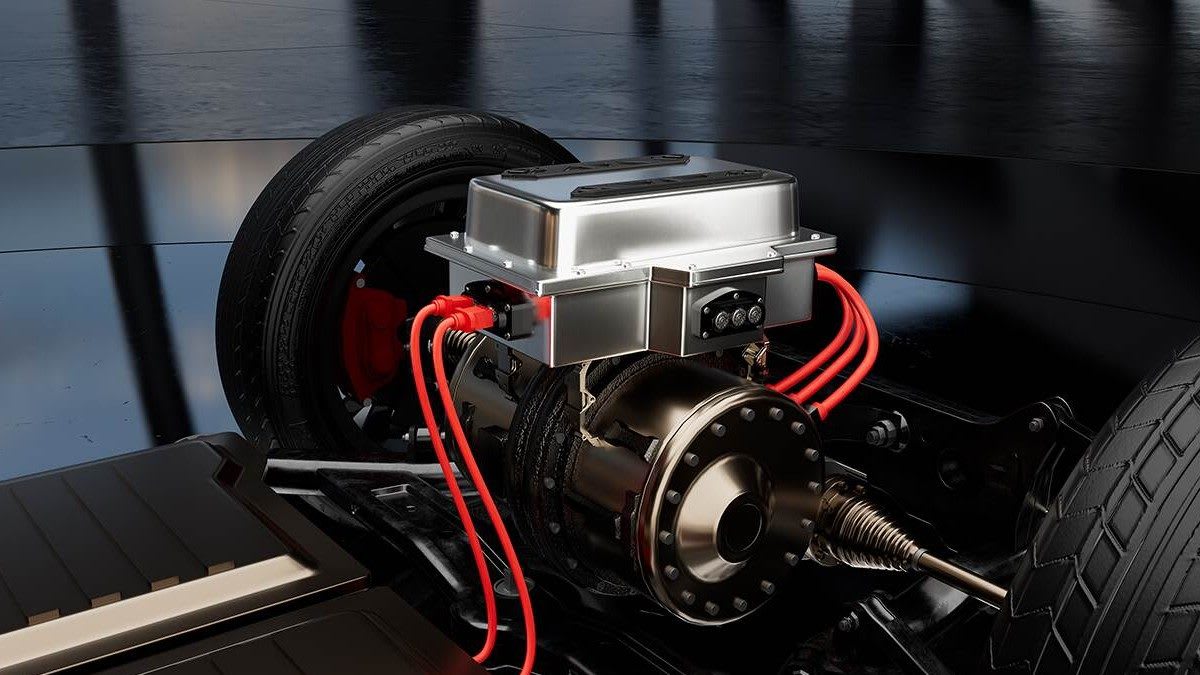
The TMCS2100-Q1 sensor fits inside the traction inverter, the component that controls how electricity flows from the battery to the motor. Getting that flow exactly right matters more than most drivers realize.
When sensors measure electricity flow inaccurately, the result is something called torque ripple. Drivers feel it as jerky acceleration, and the car wastes energy as heat and motor noise instead of forward motion.
Until now, automakers had to choose between two imperfect options. Sensors with magnetic cores were accurate but bulky and heavy. Smaller coreless sensors saved space but got thrown off by the vibrations of a moving car.
Texas Instruments solved the problem by measuring the magnetic field around electrical current in two directions at once, both horizontally and vertically. When vibrations shift the sensor slightly out of position, it automatically compensates.
The result is a sensor 20 times more accurate than existing coreless designs. It keeps errors below 1% even when it shifts by 0.4 millimeters, a precision that matters especially for newer 800-volt EV systems that deliver power rapidly.
The Ripple Effect
This single component won't add a fixed number of miles to an EV's advertised range. But it represents exactly how electric vehicles keep getting better: through dozens of small improvements that add up.
More accurate power management means less wasted electricity. Less waste means batteries can push cars farther. And because the sensor is compact, it could help automakers build lighter traction inverters, which further improves efficiency.
Drivers might also notice benefits beyond range. Smoother acceleration, quieter motors, and more responsive performance all flow from knowing exactly how much electricity is moving through the system at any given moment.
The automotive industry often advances through unglamorous innovations like this one. No one buys an electric car because of its current sensor, but better sensors help deliver the experience people actually want: reliable vehicles that go farther, cost less to operate, and feel great to drive.
Small breakthroughs in efficiency are building the future of transportation, one sensor at a time.
More Images



Based on reporting by Electrek
This story was written by BrightWire based on verified news reports.
Spread the positivity!
Share this good news with someone who needs it