MIT Classroom Project Becomes $850M Aircraft Factory in Ohio
A student project designing hybrid aircraft just landed an $850 million investment to build planes in Ohio. The innovation could revolutionize travel for the 50 to 250-mile trips millions of Americans make regularly.
A classroom brainstorm at MIT is now creating nearly 2,000 jobs and building the future of flight in Ohio.
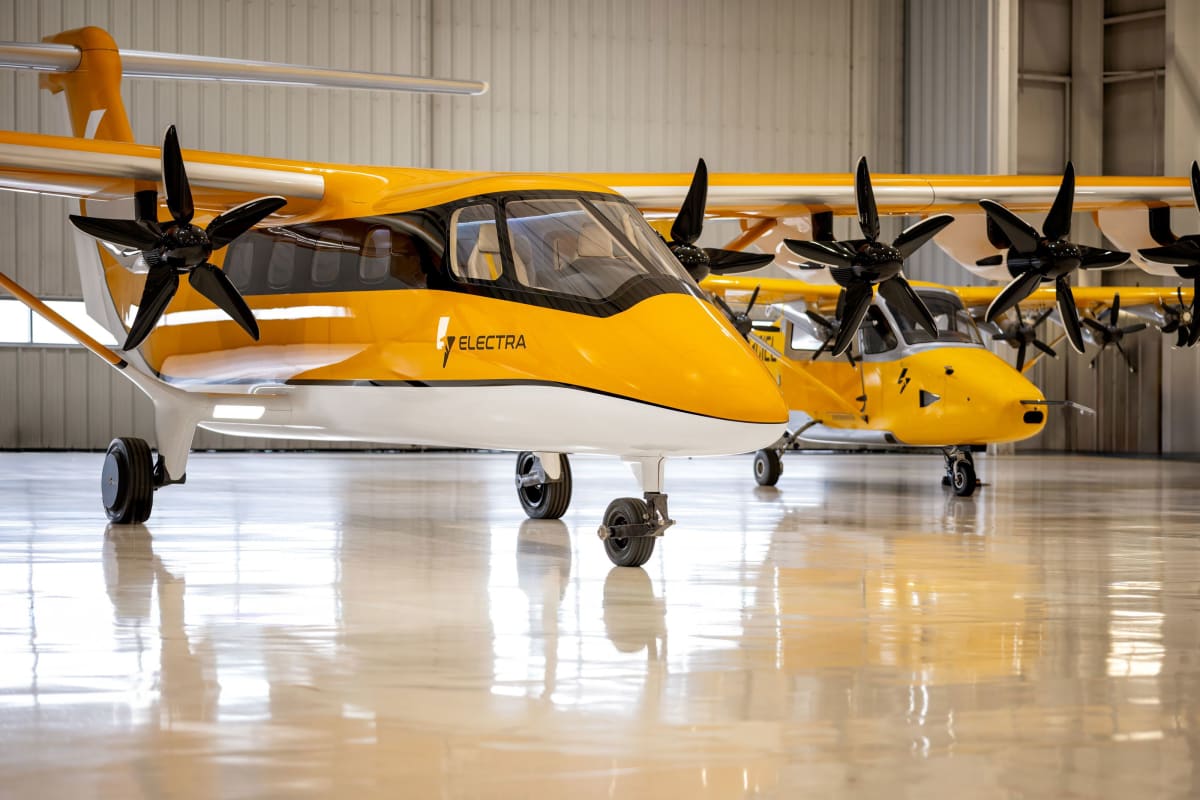
What started as a 2017 graduate class project has transformed into Electra, a company that just secured $850 million to manufacture a revolutionary hybrid aircraft. The plane solves a problem millions face: trips too long to drive comfortably but too short for the hassle of traditional air travel.
Chris Courtin was part of the student team that dreamed up the concept in an MIT aerospace class. The group wanted to design something better than the electric vertical takeoff aircraft getting buzz at the time.
Their solution combined the best of both worlds. Small electric motors powered by batteries help the plane take off and land on spaces as short as a soccer field. A gas generator keeps it flying for up to 1,200 miles at 200 miles per hour, far beyond what pure electric could achieve.
"Helping people travel between 50 and 250 miles is the sweet spot for this technology," says Courtin, now Electra's Director of Technology Development. "This can be a better option than driving or commercial airlines for many kinds of trips."
The plane uses eight motors to create a blown lift effect during takeoff and landing. Once cruising, it switches to a smaller, more efficient gas generator that can also recharge the batteries below the floor.
Because it needs so little space and operates more quietly than traditional aircraft, it can use parking lots, barges, and fields instead of major airports. That means travelers skip the time-consuming journey to distant airports and lengthy security lines.
Founded in 2019 by MIT alumnus John Langford, Electra has already built and flown a two-seat prototype called the EL2. The aircraft completed over 200 test flights since 2023, proving the student concept actually works in the real world.
The Ripple Effect
The $850 million investment announced last month will scale production of a nine-passenger version in Springfield and Clark County, Ohio. The location carries special meaning as the birthplace of engine-powered human flight.
Those 1,975 new jobs represent more than manufacturing work. They're building infrastructure for a transportation system that could reduce traffic congestion, cut fuel consumption, and connect smaller communities to opportunities currently out of easy reach.
MIT professors Mark Drela and John Hansman, who served as founding technical advisors, helped student collaborators build and test early models in the Wright Brothers Wind Tunnel on campus. Their support shows how universities can nurture ideas from theory to market reality.
The next generation of aviation is being built where flight began, thanks to students who dared to imagine a better way to travel.
Based on reporting by MIT News
This story was written by BrightWire based on verified news reports.
Spread the positivity!
Share this good news with someone who needs it