Robots Break Bolt's Record at World Humanoid Games
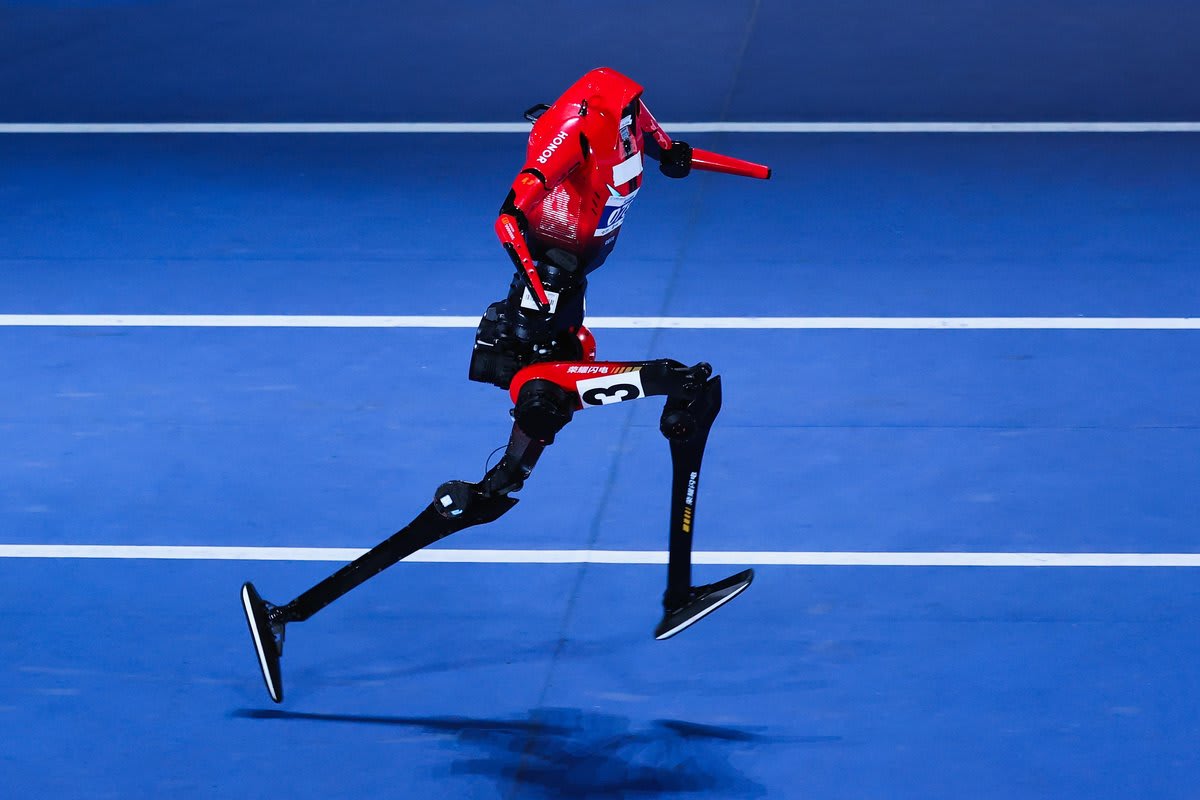
Two humanoid robots just smashed Usain Bolt's 100-meter record at the World Humanoid Robot Games in Beijing, with the fastest clocking 9.39 seconds. The five-day competition showcases how rapidly robot technology is advancing, even if these machines still crash into walls and sometimes catch fire.
Humanoid robots are getting faster than the world's greatest athletes, and the results are equal parts amazing and hilarious.
At the World Humanoid Robot Games in Beijing last Saturday, two robots broke Usain Bolt's legendary 100-meter dash record. The fastest finished in just 9.39 seconds, beating Bolt's 9.58-second record by nearly two tenths of a second.
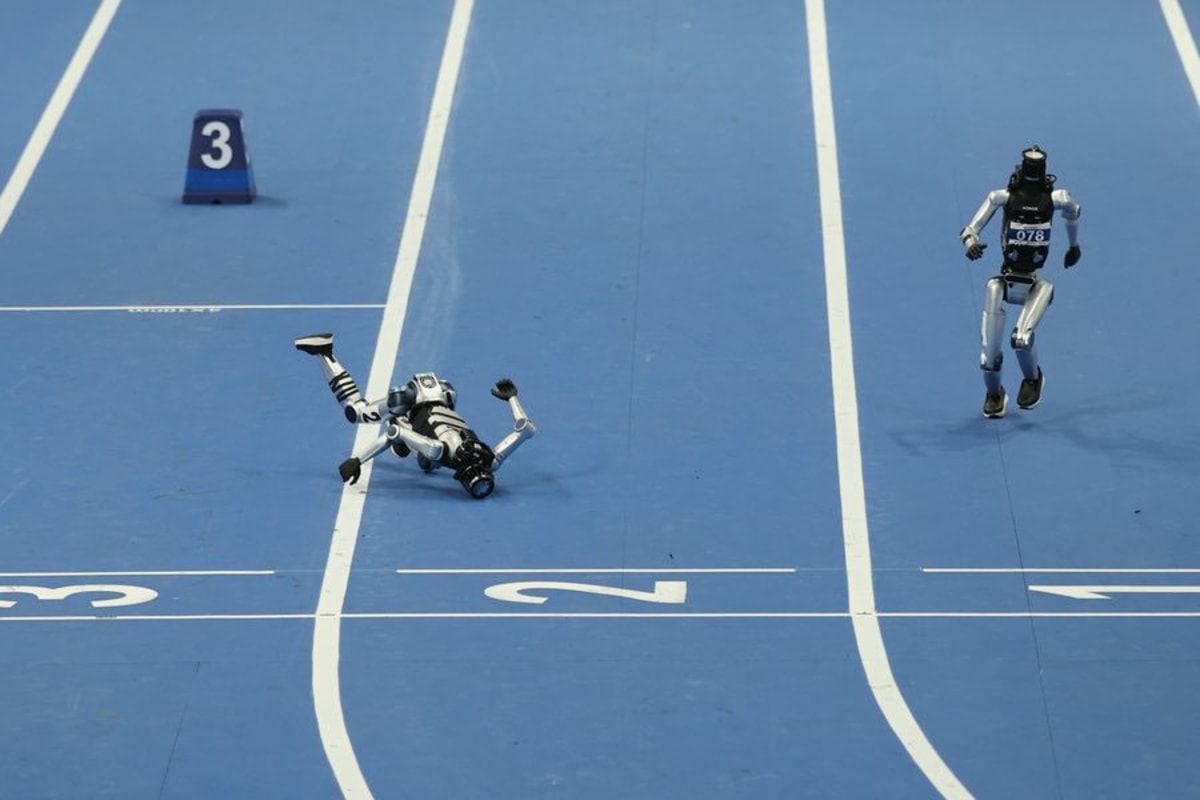
The catch? Both robots crashed straight into a padded wall at the finish line.
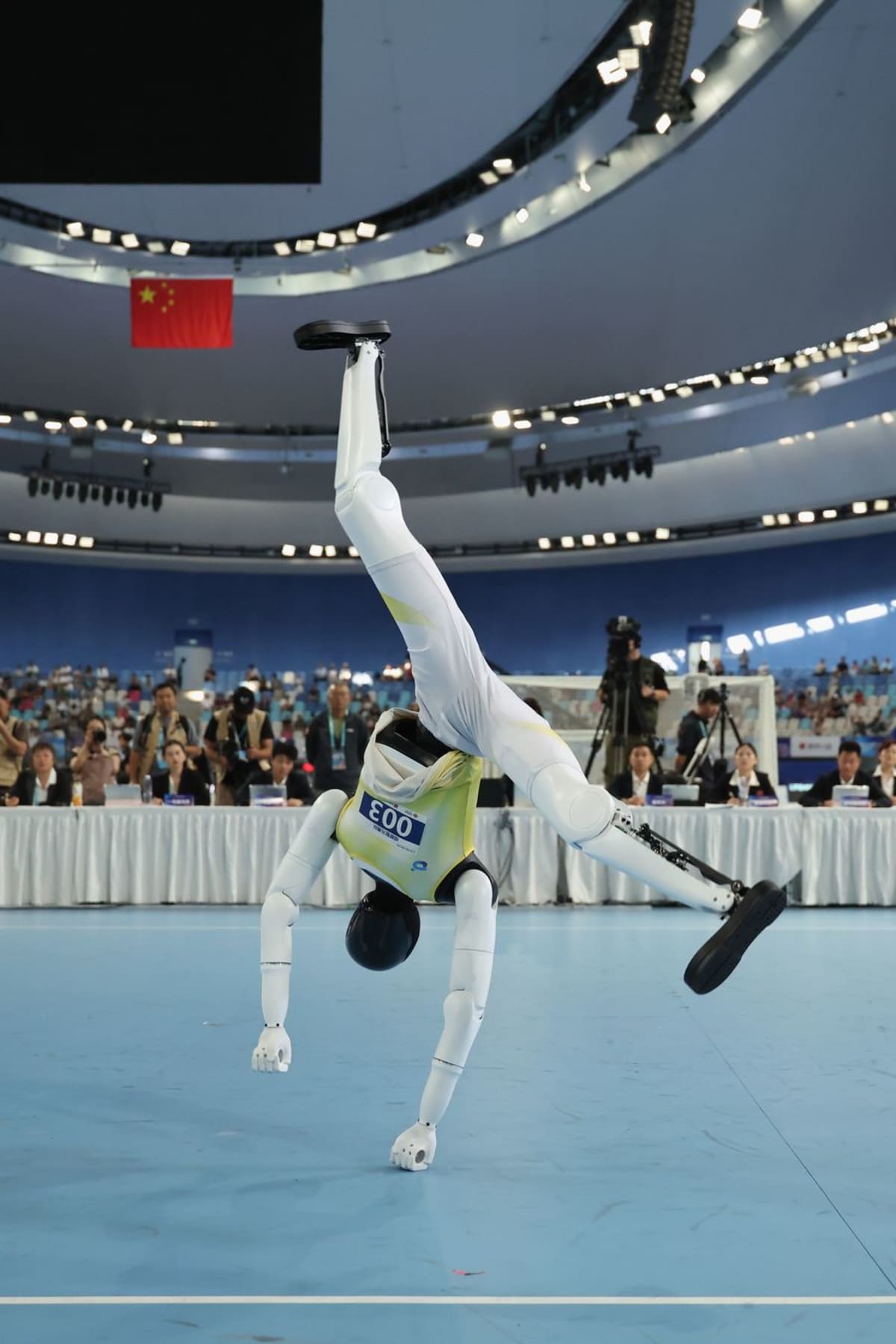
The Games are back for their second year, featuring 51 events from kickboxing to table tennis to soccer. Machines from 16 countries are competing, though Chinese companies build most of the robots on display.
One robot from X-Humanoid claimed both the fastest sprint time and broke the human standing high jump record. Another successfully played tennis against a human opponent, adapting to unpredictable moves in real time.
But the spectacle shows just how far these machines still need to go. Multiple sprinting robots crashed on Saturday, and one even caught fire. During weight lifting, another robot crashed into the judges' table.
The Bright Side
These mishaps reveal an important truth about robot development. The machines excel at specific, controlled tasks but struggle with the unpredictability of real life.
Rodney Brooks, an emeritus professor at MIT, explained that watching a robot perform one impressive feat tricks us into thinking it has general human competence. These specialized sprint bots might break records on a straight track but could fail at something as basic as folding laundry.
Yet progress is undeniable. In just 12 months since the first Games, robots have made extraordinary leaps in speed, strength, and adaptability. The tennis-playing robot that successfully rallied with a human shows these machines are learning to handle real-world unpredictability.
Companies worldwide are racing to develop humanoid robots that can navigate our world. These Games provide a testing ground for innovations that could eventually help in search and rescue, elderly care, or dangerous manufacturing jobs.
The robots may look silly sprinting into walls today, but they're getting faster and smarter with each competition.
More Images

Based on reporting by Scientific American
This story was written by BrightWire based on verified news reports.
Spread the positivity!
Share this good news with someone who needs it