Kids Control Robots With Their Minds at Thailand Tech Fair
Children at Thailand's National Science and Technology Fair are moving robots using only their brainwaves, coding LEGO creations, and exploring space science. Eight countries brought hands-on exhibits that turn futuristic concepts into playful learning experiences.
A child sits perfectly still, wearing a strange device on their head, eyes locked in concentration. Across the room, a robot suddenly lurches forward, controlled by nothing but the child's focused thoughts.
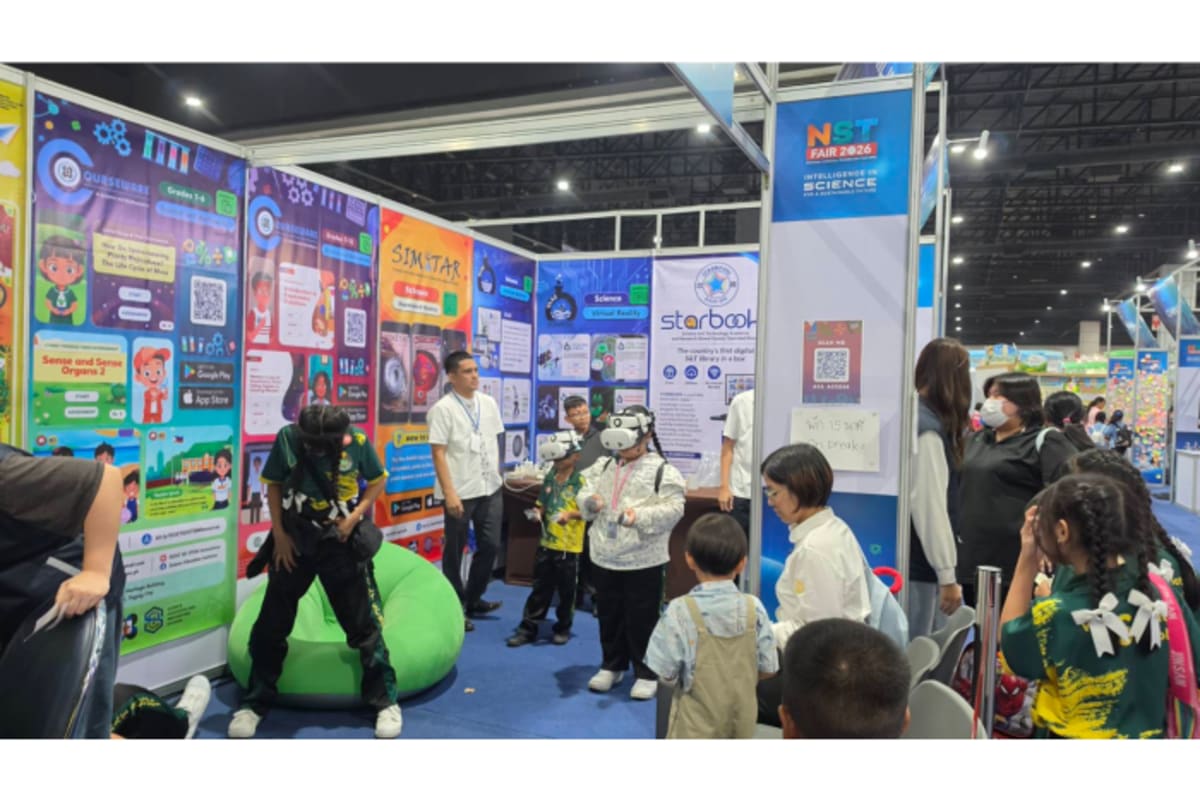
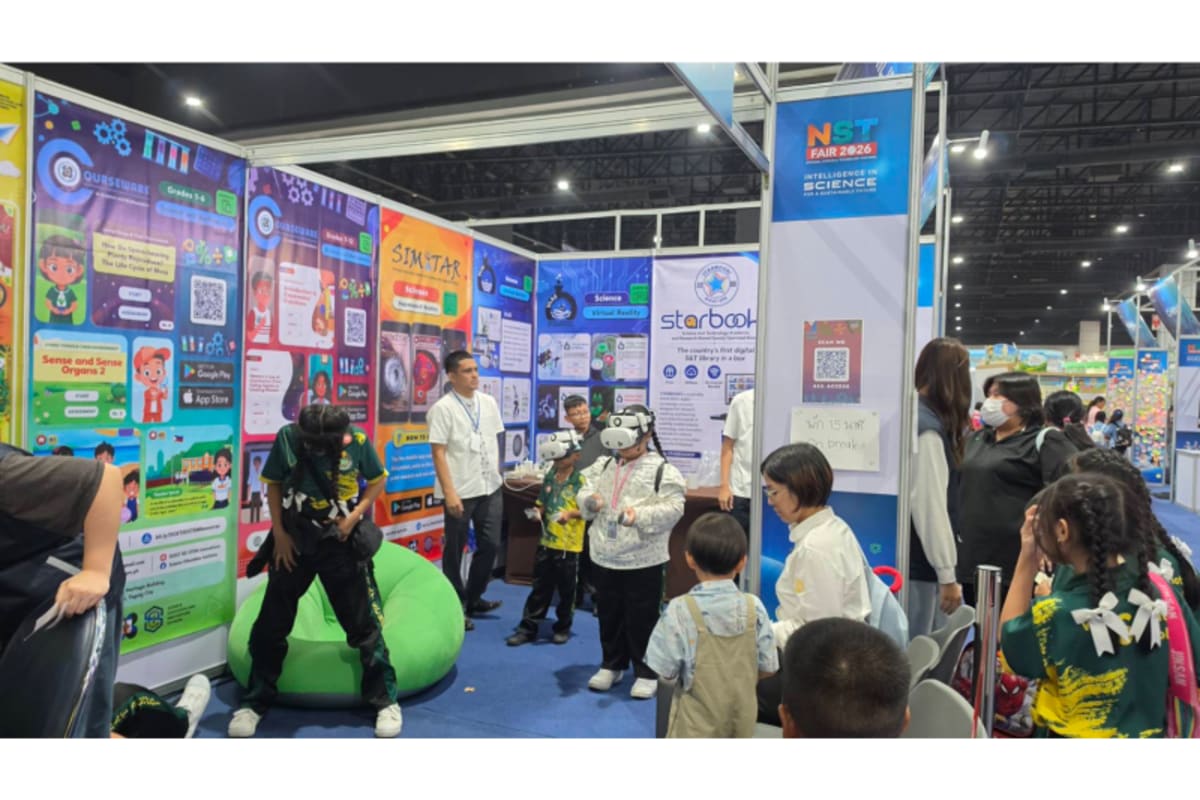
This scene unfolded at Thailand's National Science and Technology Fair 2026, where 28 organizations from eight countries transformed advanced technology into hands-on adventures for young minds. From August 15 to 23, the IMPACT Muang Thong Thani convention center became a playground where kids could touch the future.
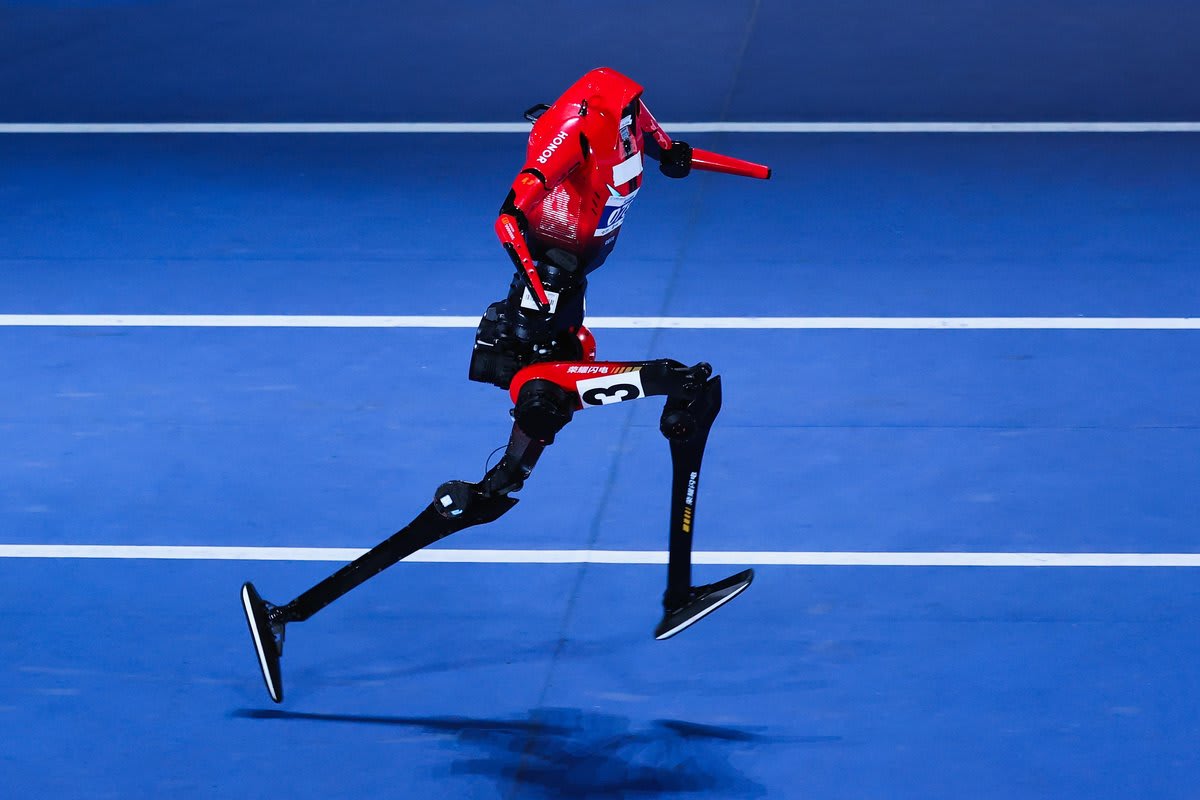
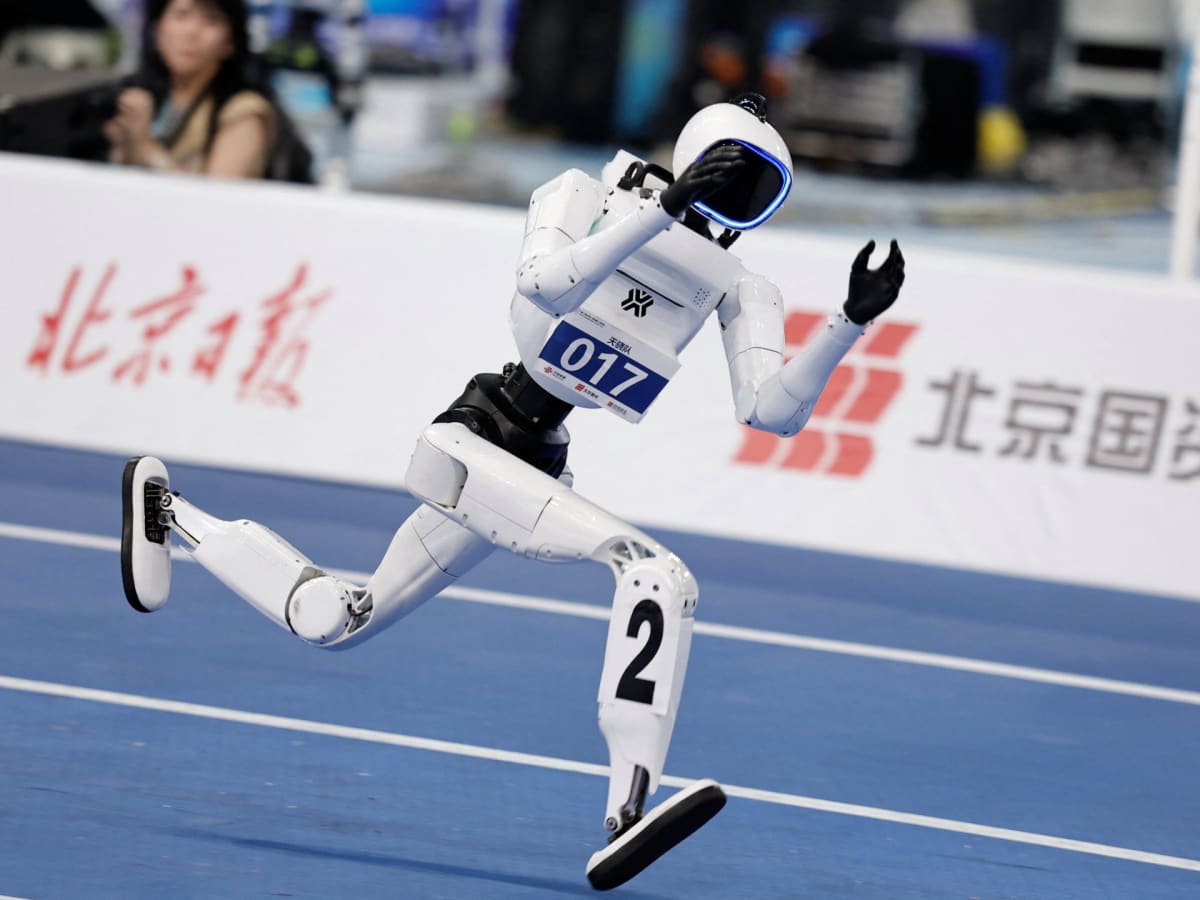
The brainwave-controlled robot from China captured the most attention. Kids and adults wore sensing devices that detected their concentration levels and translated those signals into commands. What once seemed like science fiction became a tangible experience, showing how human minds can communicate directly with machines.
Denmark turned LEGO from simple toys into coding labs. Children built their creations, then wrote computer programs to make them move. They learned to think step by step, experiment when things didn't work, and solve problems through play.
France brought aviation technology from Airbus and biometric systems from Thales. Japan taught the physics of flight through paper airplanes and origami. Each folded sheet became a lesson in how shape, weight, and force work together.
Suwarong Wongsiri, Acting Director of the National Science Museum, explained the vision behind the fair. "Learning science requires opportunities to experiment, play and search for answers," he said during a media tour. The venue combined knowledge with fun, giving children space to discover rather than just observe.
The fair's theme, "Intelligence in Science for a Sustainable Future," reflected a world where AI and machines are woven into daily life. Virtual reality zones let visitors explore digital environments, testing how technology can develop new ways of thinking and responding.
The Ripple Effect
This fair reaches far beyond a week of exhibitions. By letting children control robots with their thoughts or program their LEGO creations, Thailand is planting seeds for a generation comfortable with technology's possibilities rather than intimidated by them. When kids from eight different countries share innovations designed for hands-on exploration, they're building a common language of curiosity that crosses borders.
The experiments happening in those convention halls teach problem-solving, critical thinking, and creativity. These aren't just fun activities but foundations for careers that don't exist yet and solutions to challenges we haven't encountered.
Thousands of young visitors left the fair having experienced what concentration can accomplish, what code can create, and what paper can teach about physics. They learned that science isn't something distant or difficult but something they can touch, build, and control themselves.
Thailand just showed the world what happens when innovation meets imagination and children get permission to play with the future.
More Images

Based on reporting by Regional: thailand innovation (TH)
This story was written by BrightWire based on verified news reports.
Spread the positivity!
Share this good news with someone who needs it