Nigeria Builds 20 Factories to Boost Local Manufacturing
Nigeria is transforming from a consumer nation into a producer of homegrown technology and products. A government agency has launched over 20 factories in just months, creating jobs and reducing reliance on imports.
Nigeria is building an industrial future powered by local innovation, and the results are already visible across the country.
The National Agency for Science and Engineering Infrastructure (NASENI) has established more than 20 factories spanning eight key industrial sectors. These facilities now operate across Nigeria's six regions, focusing on local manufacturing, renewable energy, agricultural equipment, and digital technology.
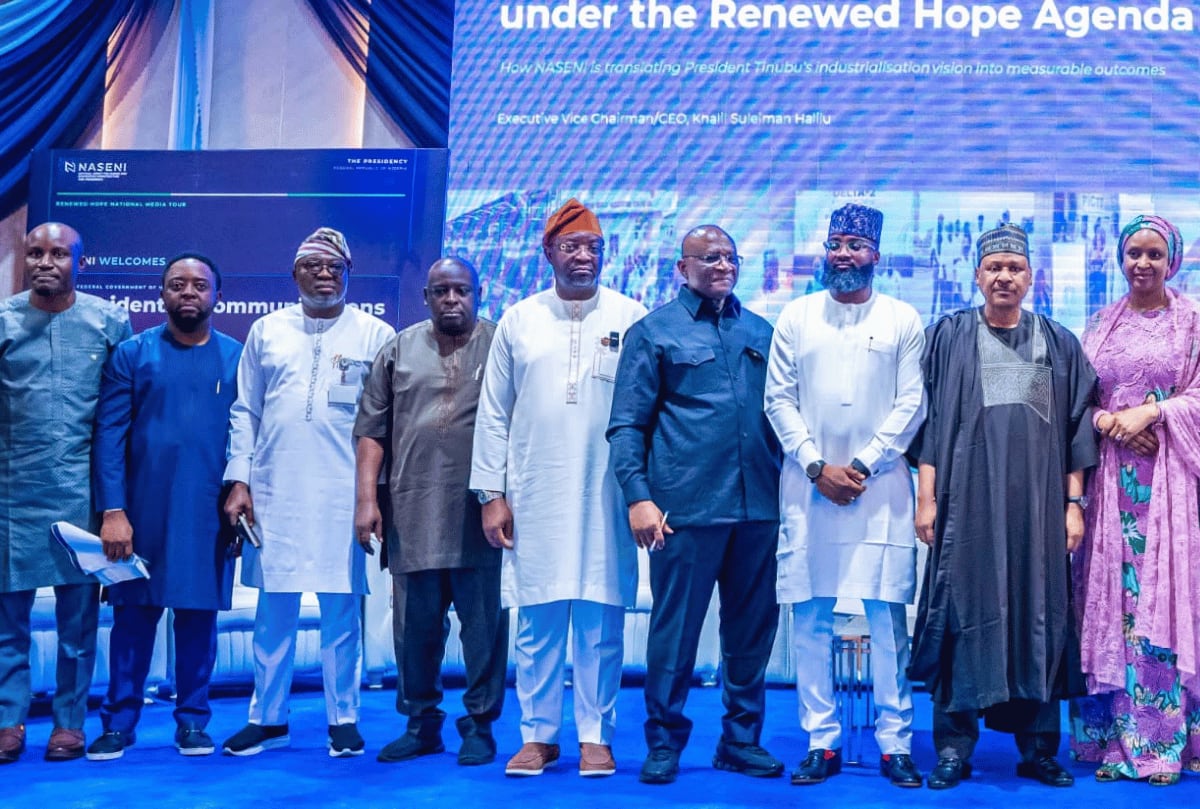
The rapid expansion represents President Bola Ahmed Tinubu's push to shift Nigeria from being primarily a consumer nation to becoming a producer and exporter. Minister of Information Mohammed Idris said the initiative is already creating jobs and opportunities while strengthening transparency through public media tours of government projects.
NASENI's approach focuses on practical results rather than just research. The agency designs products specifically for Nigerian markets, assembles them locally, and gradually increases the percentage of locally sourced components until factories can compete globally.
Executive Vice Chairman Khalil Suleiman Halilu emphasized that sustainability drives every decision. Each factory is built to serve real market needs while training Nigerian workers and reducing import dependence.
The industrialization strategy spans healthcare innovation, technology transfer, and commercializing research into actual products people can buy and use. Skills development programs ensure young Nigerians can fill the jobs these new industries create.
The Ripple Effect
When nations build their own manufacturing capacity, the benefits multiply outward. Workers gain stable employment and learn advanced skills they can teach others. Communities around factories see new businesses emerge to support them. Most importantly, money that once flowed overseas now stays local, funding schools, healthcare, and infrastructure.
Nigeria's model shows how strategic investment in homegrown innovation creates more than just products. It builds confidence, capability, and economic independence that can transform entire regions.
The Presidential Media Team tour allowed journalists and citizens to verify progress firsthand, turning government promises into visible proof of change happening now.
Based on reporting by Google News - Innovation Technology
This story was written by BrightWire based on verified news reports.
Spread the positivity!
Share this good news with someone who needs it