Nigeria Delivers $600M to 10M Families in 3 Years
Nigeria's government has sent more than $600 million in direct cash support to over 10 million struggling families since 2021, one of Africa's largest poverty relief efforts. A new $1 billion program will now reach 7.6 million more households with emergency payments and paths to financial independence.
Nigeria just completed one of the continent's most ambitious cash transfer programs, putting money directly into the hands of 10 million families who needed it most.
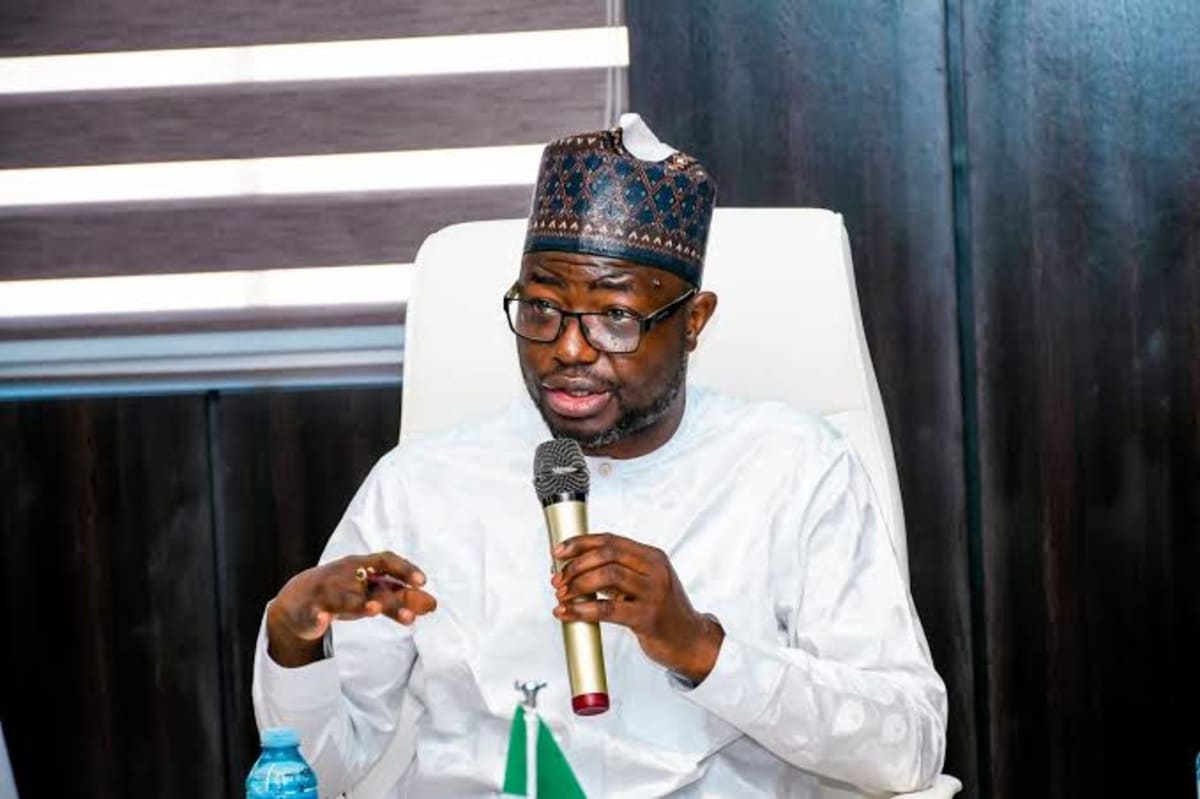
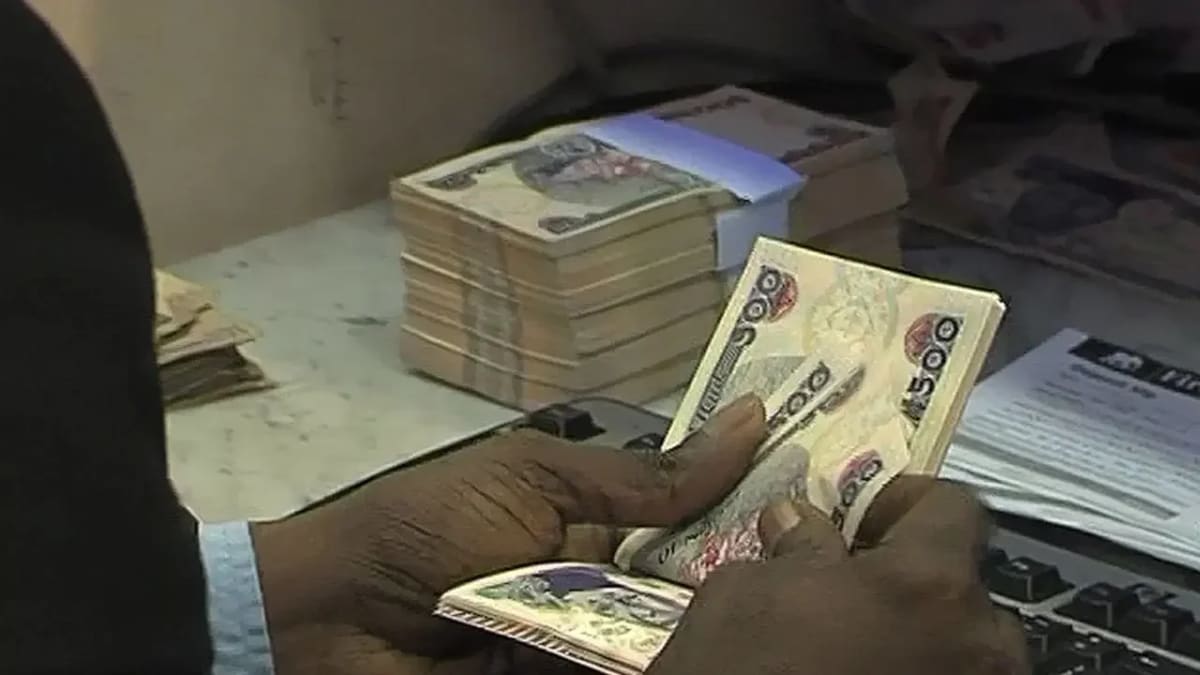
Over three years, the Federal Government distributed more than ₦600 billion (roughly $600 million USD) to vulnerable households across the country. Minister of Humanitarian Affairs Bernard Doro announced the milestone this week as the government launches an even bigger initiative.
The new program, called HOPE-SP (Household Prosperity and Empowerment Social Protection Project), will reach 7.6 million additional families with $1 billion in support. Each eligible household receives ₦40,000 (about $40 USD) as an emergency payment during economic hardship.
But this isn't just about handing out money. The government is shifting its strategy from temporary relief to helping families build lasting financial stability.
Beneficiaries must register through Nigeria's National Social Register and verify their identity using the National Identification Number system. The government partnered with the National Identity Management Commission to make registration easier for families who qualify.
The timing matters. Nigerian households have faced mounting pressure from rising food costs, expensive transportation, and shrinking purchasing power. For many families, the cash transfers have meant keeping a roof overhead and food on the table during difficult months.
The Ripple Effect
When families stabilize financially, the benefits spread far beyond individual households. Children stay in school instead of dropping out to work. Small businesses stay open. Communities hold together during tough times.
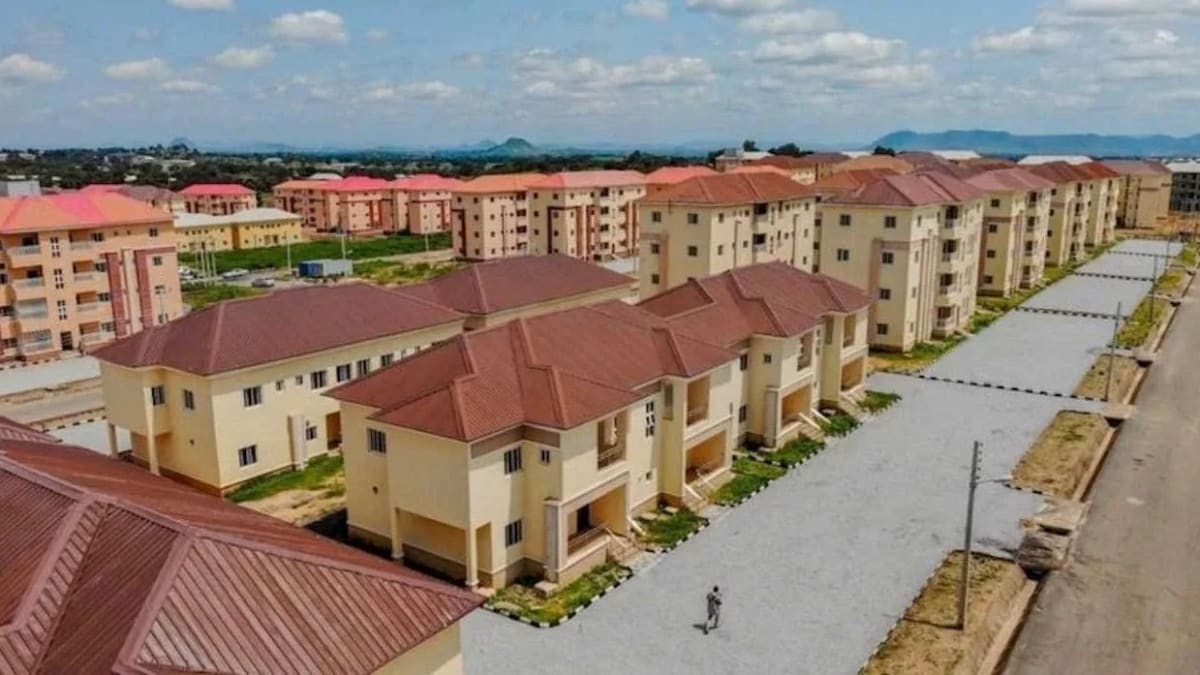
The housing sector feels the impact too. When families receive financial support, they can better afford rent and avoid eviction. Housing experts note that while cash transfers provide immediate relief, long-term housing affordability will require addressing Nigeria's construction costs, land prices, and limited mortgage access.
The government acknowledges these challenges. Minister Doro emphasized that officials now want to track whether families are actually moving toward economic independence, not just surviving month to month.
Critics have raised valid concerns about corruption and political interference potentially reducing the program's effectiveness. The Centre for the Promotion of Private Enterprise called for stronger safeguards to ensure money reaches intended recipients rather than disappearing through bureaucratic leakages.
Despite these concerns, the scale of Nigeria's effort stands out. Reaching 10 million households in three years represents serious commitment to poverty reduction, and expanding to 7.6 million more families shows the government doubling down on direct support.
The real test will be whether temporary cash help transforms into permanent opportunity. Nigeria is betting that combining immediate relief with identity verification systems and progress tracking will create pathways out of poverty, not just pauses in hardship.
Seventeen million families getting direct financial support represents one of the most significant anti-poverty pushes any African nation has attempted.
More Images


Based on reporting by Google News - Poverty Reduction
This story was written by BrightWire based on verified news reports.
Spread the positivity!
Share this good news with someone who needs it