Nigeria Launches $1B Program to Lift Families Out of Poverty
Nigeria's government is investing $1 billion in a new program designed to help vulnerable families move from emergency aid to lasting financial independence. The HOPE initiative combines immediate cash support with long-term empowerment tools to build sustainable prosperity.
Millions of Nigerian families facing economic hardship just got a pathway to independence, not just another handout.
The federal government launched a $1 billion program on Wednesday that transforms how Nigeria supports its most vulnerable citizens. Instead of temporary relief, the Household Prosperity and Empowerment Social Protection Project (HOPE-SP) gives families both immediate cash assistance and the tools to achieve lasting financial stability.
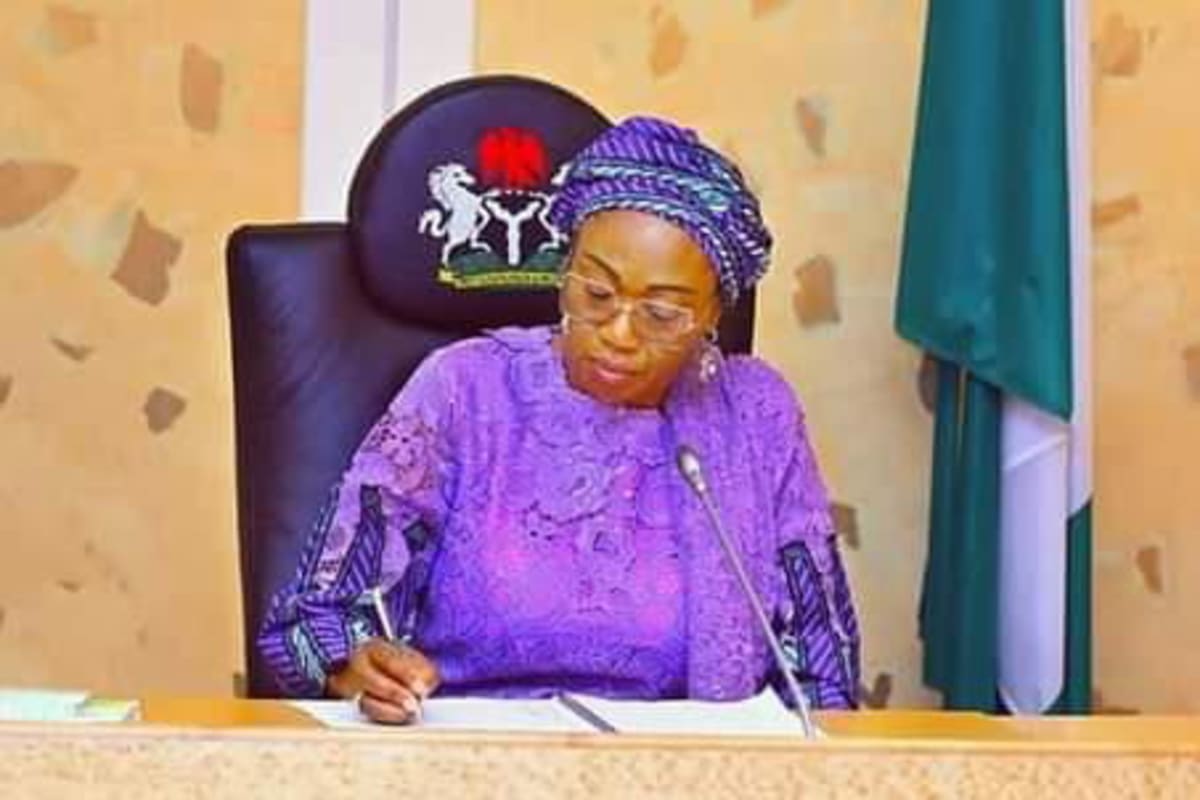
First Lady Oluremi Tinubu unveiled the initiative at the State House in Abuja, describing it as a shift "from palliatives to pathways." She explained that while President Bola Tinubu's economic reforms are strengthening Nigeria's economy, many families still need support during the transition.
The program works by first identifying vulnerable households and understanding their specific needs before providing tailored assistance. Rather than one-size-fits-all relief, HOPE-SP creates personalized recovery plans that put families on track toward economic independence.
Alongside HOPE-SP, the government launched four companion programs. The One-Humanitarian-One Poverty Response System creates a coordinated national platform that eliminates duplicate efforts and tracks families as they progress toward prosperity. The Emergency Cash Transfer Programme provides rapid financial help to households hit by sudden economic shocks.
Minister of Humanitarian Affairs Dr. Bernard Doro said the initiatives mark a fundamental change in Nigeria's approach. The government is moving from reactive emergency responses to proactive empowerment that builds resilience.
The Ripple Effect
This new approach could transform how Africa's most populous nation tackles poverty. By maintaining unified national registries, Nigeria can now identify vulnerable households more accurately, deliver support more efficiently, and measure real progress over time.
The government also launched Humanity First Magazine to document the stories of citizens whose lives have been transformed through these interventions. This accountability measure ensures programs deliver real results, not just promises.
First Lady Tinubu emphasized that effective planning and accountability must remain central to delivering services. The initiatives align with the administration's Renewed Hope Agenda, translating humanitarian priorities into measurable actions.
The timing addresses a critical need. While economic reforms like fuel subsidy removal have improved investor confidence and government revenues, these changes have created short-term challenges for ordinary families. The new programs provide crucial support during this transition period.
Nigeria is proving that smart social protection isn't about creating dependency but building independence, one empowered family at a time.
Based on reporting by Vanguard Nigeria
This story was written by BrightWire based on verified news reports.
Spread the positivity!
Share this good news with someone who needs it