Nigeria Drafts AI Strategy, Learning from Ghana and SA
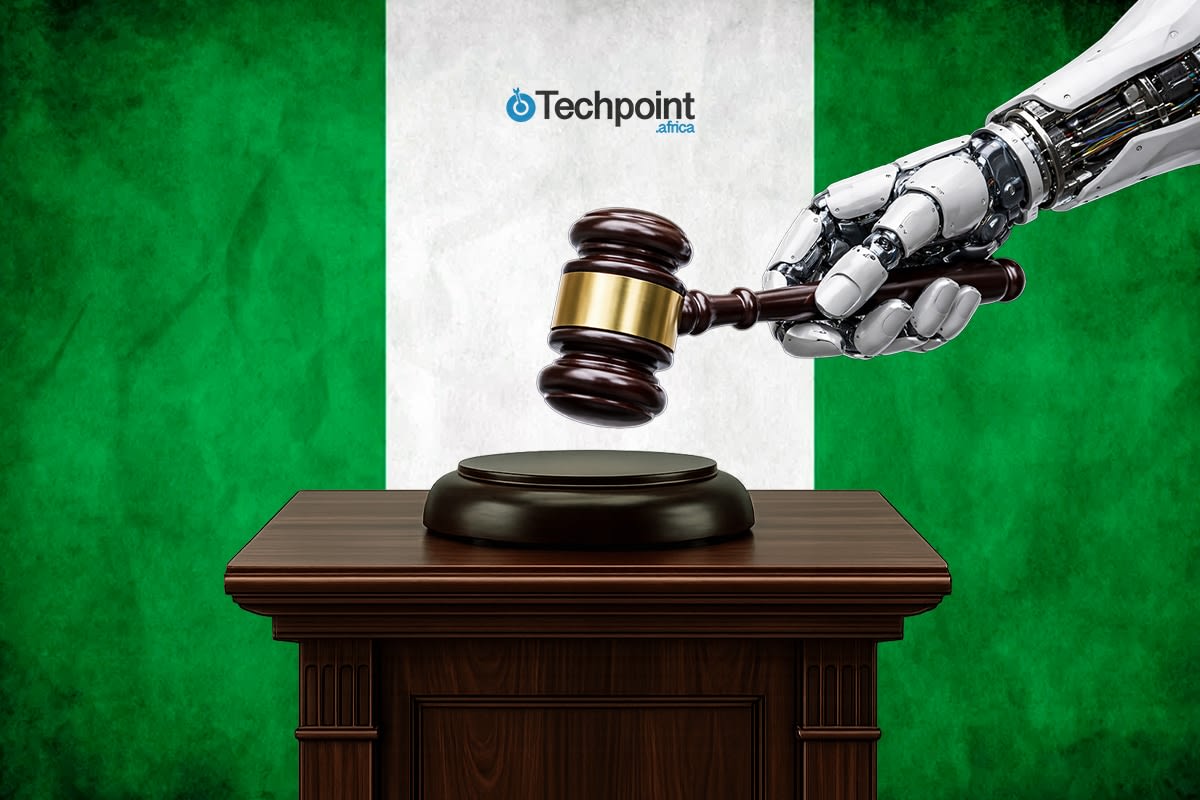
As Nigeria prepares to launch its own artificial intelligence strategy, the nation is studying both the successes and struggles of Ghana and South Africa to build a roadmap that works. With Africa's largest population and a growing tech scene, Nigeria has a unique opportunity to lead the continent's AI future.
Nigeria is preparing to join over 15 African countries in creating a national artificial intelligence strategy, and it's learning valuable lessons from neighbors who've already started the journey.
Ghana launched an ambitious 10-year AI strategy in 2023 with eight focus areas, from AI education to healthcare applications. The goal was bold: position Ghana as a regional AI hub while ensuring responsible technology use.
Two years later, some promising signs are emerging. Ghana launched a One Million Coders Programme to train developers and announced plans for an Emerging Technologies Bill to regulate AI, blockchain, and robotics. Coding academies and AI bootcamps are actively training the next generation of tech talent.
But implementation has proven harder than planning. While Ghana has a Data Protection Commission, the dedicated AI governance bodies described in its strategy aren't fully operational yet. AI systems are already being used in financial services and healthcare, but there's no framework to audit or regulate them effectively.
The infrastructure challenge is even steeper. Africa holds less than 1% of the world's data center capacity despite representing 18% of the global population. Only 5% of African AI professionals have access to sufficient computing power, forcing most to rely on cloud credits or venture funding.
South Africa took a different approach. Instead of creating new laws, the country integrated AI priorities into existing government systems, mirroring the African Union's Continental AI Strategy adopted in 2024.
The Ripple Effect
Nigeria's upcoming strategy matters beyond its borders. As Africa's most populous nation with a thriving tech ecosystem, Nigeria could set standards that influence the entire continent's AI development.
The country has a chance to build on what's working (talent development programs, stakeholder collaboration) while addressing what's not (enforcement mechanisms, infrastructure gaps, governance structures). Ghana's experience shows that announcing ambitious plans is the easy part. Creating the legal frameworks, computing infrastructure, and oversight bodies to make those plans real requires sustained commitment and resources.
International partnerships are proving essential. Ghana worked with UNESCO, the UK government, and German development agencies to shape its governance frameworks. Nigeria can leverage similar collaborations while ensuring its strategy reflects local needs and values.
The African Union's Continental AI Strategy provides a solid foundation with its focus on ethics, human rights, cross-border collaboration, and investment. The question now is how Nigeria will adapt these principles into actionable policies that can actually be implemented and enforced.
If Nigeria can crack the code on balancing innovation with governance and addressing infrastructure challenges head-on, it won't just benefit its own 200 million citizens but could light the way for other African nations still developing their AI roadmaps.
Based on reporting by Techpoint Africa
This story was written by BrightWire based on verified news reports.
Spread the positivity!
Share this good news with someone who needs it