Nigeria Ends 30-Year Oil Dispute, Unlocking 150K Barrels Daily
After three decades of legal battles spanning four countries, Nigeria has settled the OPL 245 oil dispute, clearing the way to tap 9 billion barrels of crude. The deal could add 150,000 barrels per day to production and signals a new era of investor confidence in Africa's largest economy.
One of Africa's biggest oil puzzles just got solved, and it could transform Nigeria's energy future.
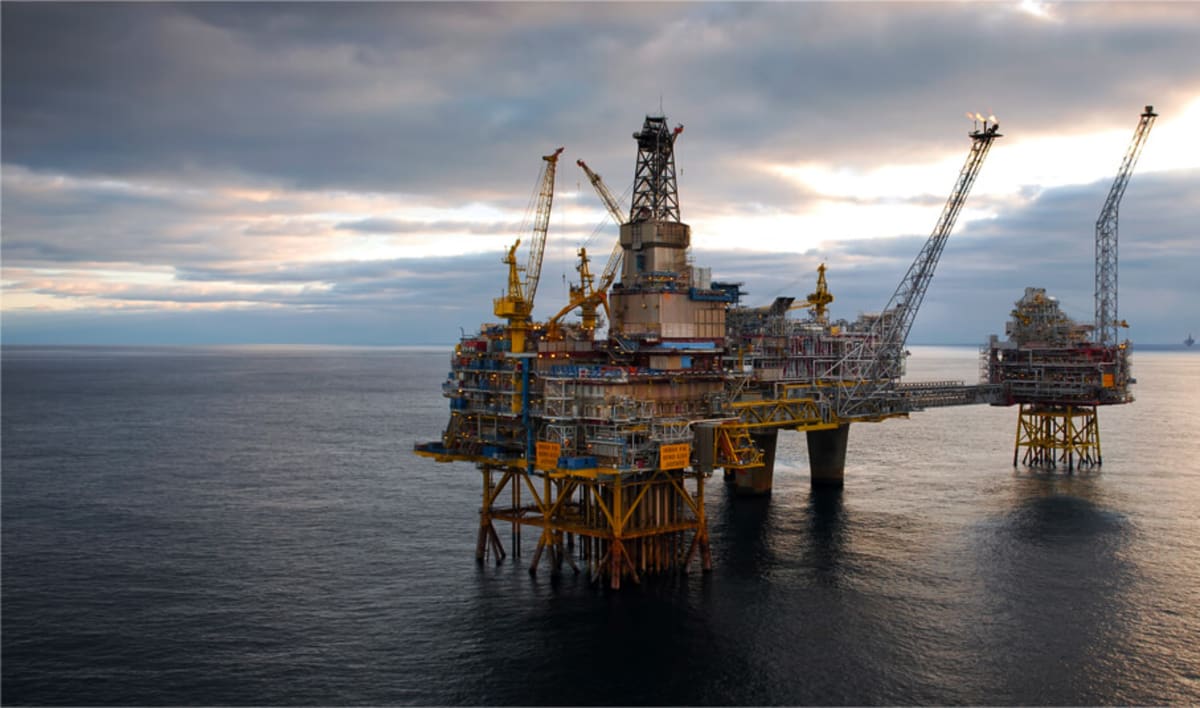
President Bola Tinubu announced Thursday that Nigeria has finally resolved a 30-year legal nightmare over OPL 245, a massive deepwater oil block that's been stuck in courtrooms across Nigeria, Italy, the UK, and the United States. The block holds an estimated 9 billion barrels of crude oil that have sat untapped for decades while governments, oil giants Shell and Eni, and a controversial company called Malabu fought over who actually owned it.
The settlement clears the path for the Zabazaba-Etan oil field development. Once operational, it could pump 150,000 additional barrels per day into Nigeria's production, a significant boost for a country working to restore its position as a global energy player.
The dispute dates back to 1998 when a military regime awarded the block to Malabu, a company set up under questionable circumstances by the dictator's son and the petroleum minister. What followed was a legal soap opera involving revoked licenses, competing bids, corruption allegations, and international arbitration that kept billions of dollars worth of oil locked beneath the ocean floor.
Details of the new agreement remain private, but government officials say it reflects modern energy regulations and delivers better value to Nigeria than previous attempts to resolve the mess. Italian oil giant Eni sent its CEO and top executives to Lagos for the signing, a signal that major international players are ready to commit serious capital.
The Ripple Effect
This resolution means more than just oil production numbers. For decades, the OPL 245 saga became shorthand for everything that could go wrong with Nigeria's resource management: corruption, legal chaos, and broken promises that scared off investors.
By finally putting this dispute to rest, Nigeria is sending a message that it can handle complex legacy problems transparently. That matters enormously for a country trying to attract the massive investments needed to develop other deepwater resources and modernize its energy infrastructure.
The timing aligns with broader reforms Nigeria has undertaken since 2023 to make its oil and gas sector more attractive and predictable. Energy adviser Olu Arowolo-Verheijen called the settlement "a significant improvement" over past agreements, providing the clarity international investors need to commit billions to long-term projects.
For Nigerian communities, particularly in the Niger Delta where the block sits, the development could mean jobs, infrastructure investment, and finally seeing returns from resources that have been legally frozen for an entire generation.
The deal removes what officials called "one of the most prominent legacy risks" in Nigeria's upstream oil sector. With that obstacle cleared, the country can focus on moving forward rather than relitigating the past.
More Images



Based on reporting by Premium Times Nigeria
This story was written by BrightWire based on verified news reports.
Spread the positivity!
Share this good news with someone who needs it