School Meals Bring 100,000+ Kids Back to Class in Zamfara
A Nigerian state once gripped by poverty and insecurity is witnessing an education miracle. Free school meals launched in 2025 are keeping children in classrooms and transforming entire communities.
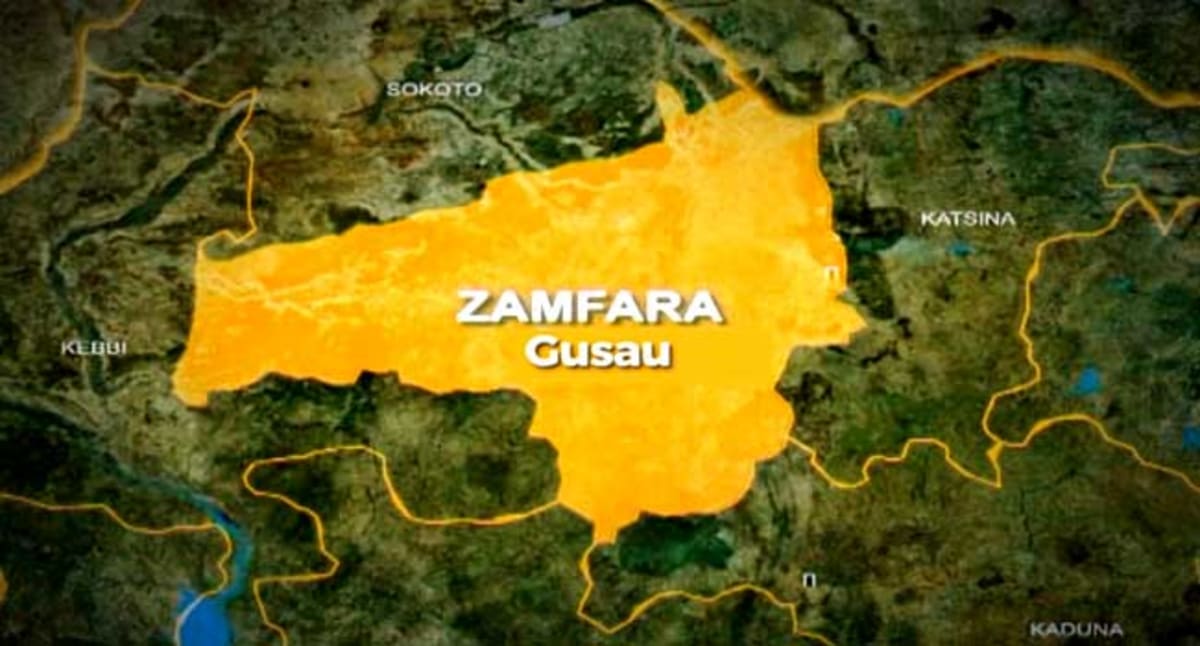
When children go to bed hungry, getting them to school the next morning feels impossible. That's the reality Governor Dauda Lawal faced when he declared a state of emergency on education in Zamfara, Nigeria in 2023.
Two years later, something remarkable is happening. Classrooms that once sat empty are now filled with eager students, and attendance rates are climbing across one of Nigeria's most challenged states.
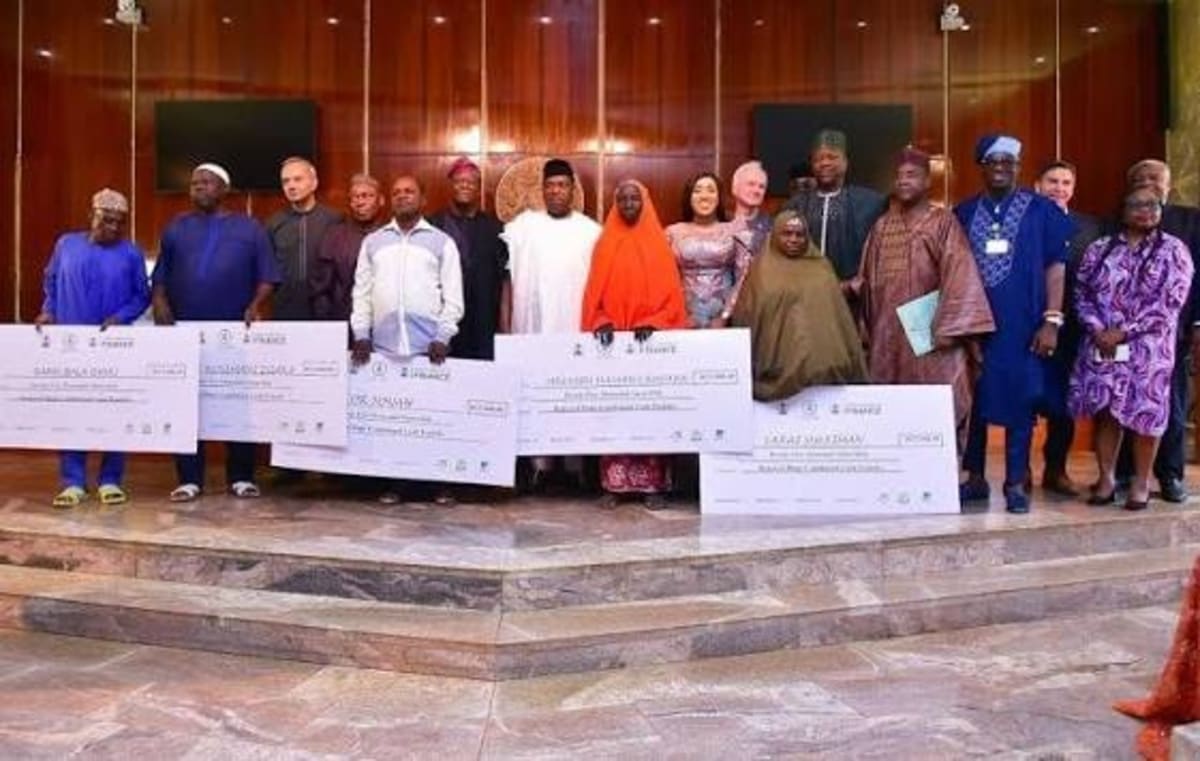
The turnaround started with a simple promise: every child gets a nutritious meal at school. Zamfara launched its school feeding program in 2025, joining Nigeria's National Home-Grown School Feeding Programme with support from the World Food Programme and local partners.
International observers from the World Food Programme and the International Food Policy Research Institute visited Zamfara in February 2026 to study the results. What they found exceeded expectations.
The impact goes beyond full stomachs. Teachers report students staying focused throughout the day instead of leaving early or struggling with hunger pangs. Parents who once kept children home to work or beg for food now see school as a path forward.
Governor Lawal's emergency declaration triggered multiple reforms alongside the feeding program. The state rehabilitated crumbling schools, recruited new teachers, and cleared outstanding exam debts that had trapped thousands of students with withheld results.
The meal program created jobs too. Local farmers supply ingredients, cooks prepare fresh food daily, and supply chains employ community members. What started as an education initiative became an economic lifeline for struggling families.
The Ripple Effect
The international research team's May 2026 report delivered a powerful conclusion. When schools provide consistent, nutritious meals in fragile regions, children don't just show up—they stay, learn, and thrive.
Zamfara's success challenges assumptions about what's possible in conflict-affected areas. The state faced enormous obstacles: grinding poverty, security threats, and infrastructure that barely functioned. Yet focused leadership and practical support changed the trajectory for hundreds of thousands of young lives.
The feeding program works because it addresses multiple barriers at once. Girls especially benefit, as families more willingly send daughters to school knowing they'll receive proper nutrition. Communities rally around schools that serve as stability anchors in uncertain times.
Other Nigerian states are watching closely. Zamfara's model proves that even regions facing severe challenges can turn education systems around with the right combination of political will, international partnership, and community-centered programs.
Three years into Governor Lawal's administration, the results speak clearly. Children are learning, families have hope, and a state once written off is writing a new chapter.
Based on reporting by Vanguard Nigeria
This story was written by BrightWire based on verified news reports.
Spread the positivity!
Share this good news with someone who needs it