Nigeria Launches Net-Zero Plan, Eyes Carbon-Free 2060
Nigeria just unveiled an ambitious climate investment plan targeting carbon neutrality by 2060, backed by hundreds of millions in international funding. The strategy weaves environmental goals directly into the nation's economic growth vision.
Nigeria is betting big on a clean energy future while aiming to build a trillion-dollar economy at the same time.
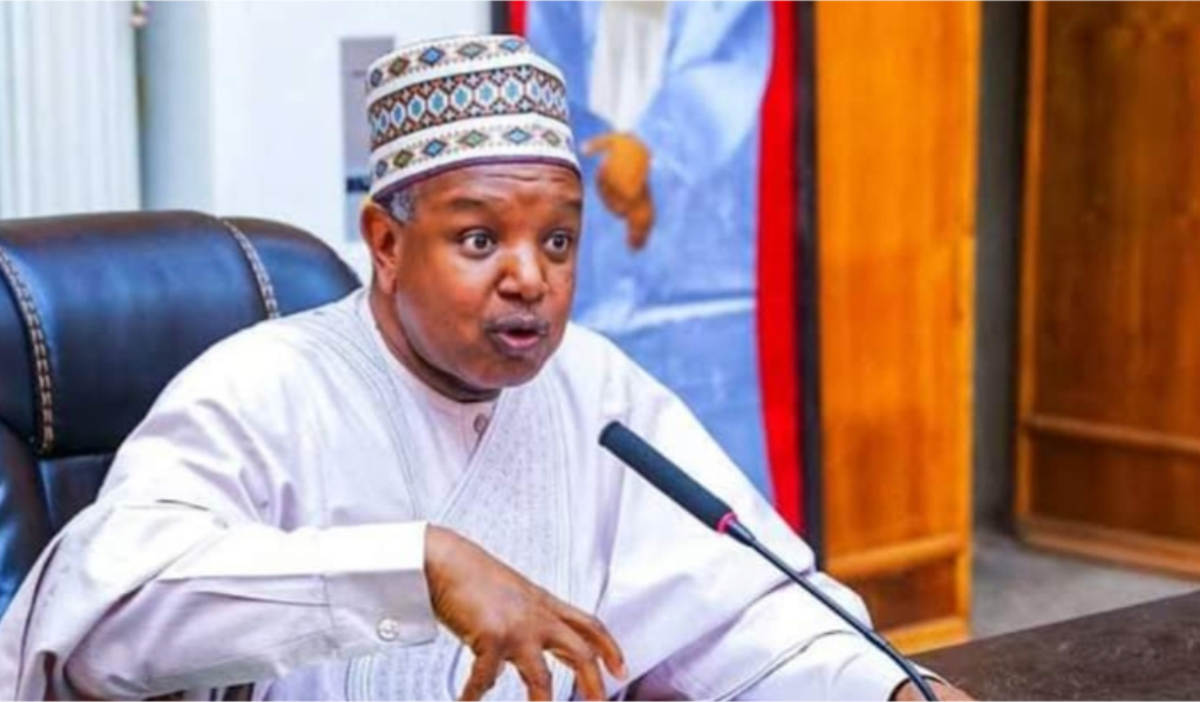
The Federal Government launched its Net-Zero Investment Plan in Abuja this week, charting a course to eliminate greenhouse gas emissions by 2060. Minister of Budget and Economic Planning Senator Abubakar Atiku Bagudu announced the plan alongside development partners and business leaders, signaling that climate action now sits at the heart of Nigeria's long-term economic strategy.
The initiative comes with serious financial backing. Germany has already committed €71 million in direct contributions plus a €300 million credit guarantee to support climate-friendly investments across the country.
Bagudu emphasized that this isn't just environmental policy tucked in a corner somewhere. Nigeria's constitution mandates environmental protection in Section 20, and the new plan recognizes that sustainability must drive national development, not follow behind it.
The Ripple Effect
The investment plan targets transformation across power generation, transportation, agriculture, waste management and industry. Each sector will receive support to reduce emissions while maintaining economic productivity.
Small businesses, women entrepreneurs and young people get dedicated support within the framework. The goal is ensuring the transition to clean energy creates opportunities rather than leaving communities behind.
Dr. Karin Jansen from the German Embassy highlighted that Nigeria developed the plan through extensive consultation with government agencies, civil society groups, business associations and technical experts. That inclusive approach positions the country to attract global climate finance while building projects that actually deliver for citizens.
The minister pointed to lessons learned from environmental damage in Ogoniland, noting that improved technology, stronger regulations and better data now guide how Nigeria manages resources and agricultural practices. Those hard-won insights shaped reforms designed to reduce investment risk and attract the capital needed for transformation.
Germany plans to deepen cooperation on energy transition, efficiency improvements and emissions reduction as the plan moves from policy into action. The focus shifts now to converting commitments into bankable projects with measurable results.
Nigeria joins a growing number of developing nations charting paths toward carbon neutrality while pursuing economic growth. The 2060 target gives the country nearly four decades to build climate-resilient infrastructure while lifting living standards.
The plan positions Africa's most populous nation as a serious player in global climate action, proving that environmental responsibility and economic ambition can move forward together.
Based on reporting by Vanguard Nigeria
This story was written by BrightWire based on verified news reports.
Spread the positivity!
Share this good news with someone who needs it