Nigeria Oil Board Champions Books With Quarterly Events
A Nigerian government agency is fighting declining literacy by hosting quarterly book readings that bring authors, journalists, and students together. The initiative proves that promoting reading culture doesn't have to wait for perfect conditions.
Nigeria's oil and gas regulator is doing something unexpected: hosting book clubs to get people reading again.
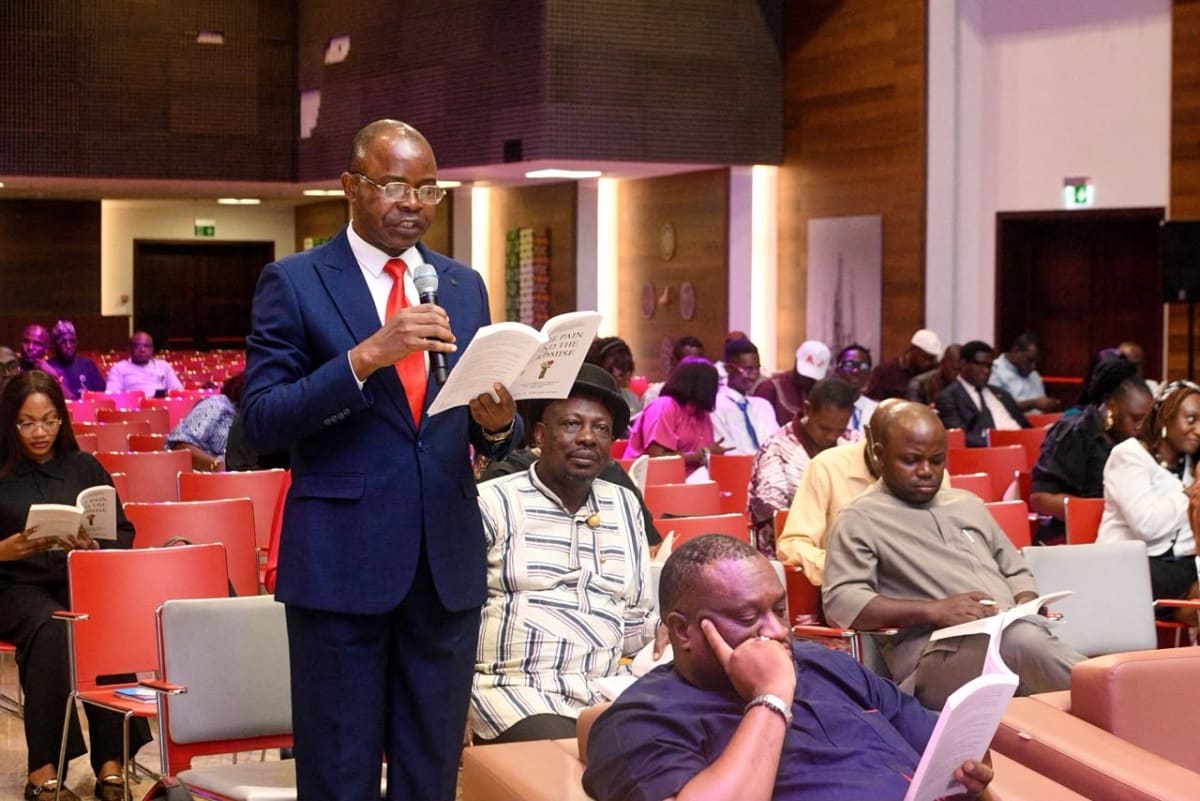
The Nigerian Content Development and Monitoring Board held its fifth quarterly book reading event in Yenagoa, bringing together authors, journalists, and university students for lively discussions about literature and ideas. The latest gathering featured veteran journalist Paul Nwabuikwu and his new book examining 35 years of Nigerian history.
"Books give us the opportunity to learn from the experiences and knowledge of others," said Felix Omatsola Ogbe, the Board's Executive Secretary. The agency sees reading as essential to building the skilled workforce Nigeria needs.
What makes this unusual is the source. The Board's main job is regulating the oil industry, but leadership decided literacy matters too much to ignore. They've been hosting these free quarterly events since August 2024, creating space for meaningful conversations about ideas.
At the latest session, Nwabuikwu shared how humor helped him write critically during military rule. "When you are writing under a military ruler who was not famous for letting his enemies escape, you have to find a way of making your point," he explained. His advice to aspiring writers was simple: "Be yourself; don't try to write like other people."
The events attract a diverse crowd. Members of the Association of Nigerian Authors mix with public relations professionals, journalists, academics, and students. They read excerpts together, discuss themes, and ask questions directly to published authors.
Why This Inspires
In a country facing real challenges, this initiative shows how creative thinking can tackle problems from unexpected angles. An oil regulator could easily stick to technical training, but they recognized that critical thinking and reading comprehension matter just as much as industry skills.
The quarterly format makes it sustainable. Four times a year, people gather to celebrate ideas and learning in a country where access to books remains difficult for many. By featuring Nigerian authors writing about Nigerian experiences, the program validates local voices and perspectives.
Previous events have featured newspaper editors and traditional rulers, showing the breadth of knowledge worth sharing. Each gathering reinforces that reading isn't a luxury but a necessity for national development.
The Board's message is clear: building a better future requires more than technical skills. It requires citizens who read widely, think critically, and engage with ideas. That culture starts with creating regular opportunities to gather around books.
Nigeria still holds promise, and initiatives like this prove people are working to realize it.
More Images


Based on reporting by Premium Times Nigeria
This story was written by BrightWire based on verified news reports.
Spread the positivity!
Share this good news with someone who needs it