Nigeria Opens 388 Mineral Centers, Curbs Illegal Mining
Nigeria just formalized its chaotic mining sector by opening 388 official mineral buying centers and prosecuting 150 illegal miners in 2024. The government is turning informal artisanal miners into legitimate businesses while protecting the environment and boosting national revenue.
Nigeria is transforming one of its most troubled industries from the ground up, and the numbers prove it's working.
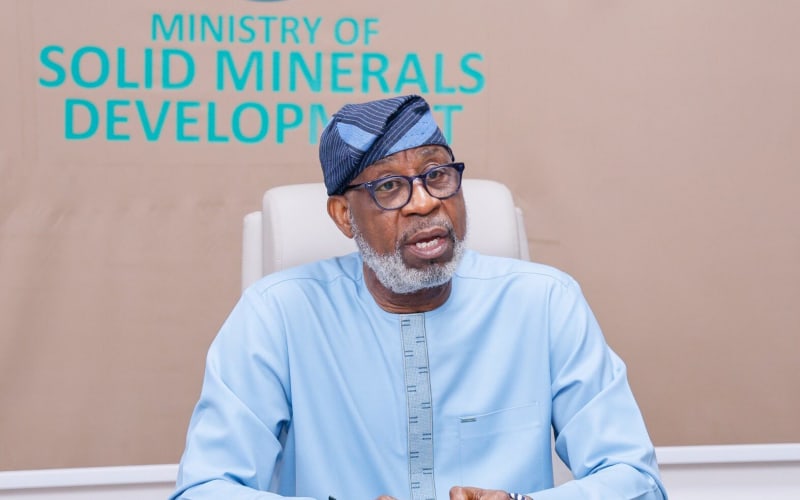
The country opened 388 mineral buying centers across the nation in 2024, creating legal marketplaces where small miners can sell gold, lithium, and other minerals without smugglers as middlemen. Minister of Solid Minerals Dele Alake announced the achievement Monday while presenting the ministry's budget performance to Nigeria's National Assembly.
For decades, Nigeria's mining sector operated in shadows. Artisanal miners dug for gold and precious minerals without licenses, sold to underground buyers, and watched their products get smuggled across borders while the government collected nothing in taxes or royalties.
The new buying centers change that equation completely. Miners now have official places to sell their finds, transactions get documented, and the government can track what's leaving the country while collecting the revenue Nigeria deserves.
The ministry didn't just build centers and walk away. Officials trained artisanal miners and helped them form cooperatives so they could operate as recognized businesses, access bank loans, and contribute to the formal economy instead of hiding from it.
Enforcement got serious too. Nigeria's Mine Marshals arrested over 350 illegal miners in 2024 alone, with more than 150 already prosecuted and others awaiting trial.
The crackdown matters for reasons beyond money. Illegal mining has poisoned water supplies, caused land collapse, and even funded criminal gangs in some regions. Unregulated miners used dangerous processing methods that led to lead poisoning outbreaks and abandoned unsafe pits across mining communities.
The Ripple Effect
The transformation is already showing up in government accounts. The ministry targeted 11.8 billion naira in revenue for 2024 but collected over 28 billion, more than double its goal.
That extra money means schools, hospitals, and roads in communities that saw nothing from the mineral wealth beneath their feet. The formalized miners gain stability, legal protection, and access to financing that lifts families out of poverty cycles.
Environmental monitoring becomes possible when mining happens in the open. Water stays cleaner, land gets restored after extraction, and public health hazards decrease when operations follow safety standards.
The 388 centers create legitimate supply chains that connect Nigeria's mineral wealth to global markets without losing value to smuggling networks. Every documented sale means fair pay for miners and fair revenue for citizens.
Nigeria still has work ahead securing all mining sites and bringing every artisanal miner into the formal system. But 2024 proved the government can replace chaos with structure when it commits resources and builds infrastructure miners actually want to use.
More Images


Based on reporting by Premium Times Nigeria
This story was written by BrightWire based on verified news reports.
Spread the positivity!
Share this good news with someone who needs it