Nigeria Plans Inmate Job Training to Break Poverty Cycle
Nigeria's Humanitarian Ministry is partnering with correctional services to give inmates job training, business support, and a real path out of poverty after release. The program aims to reach nearly 20 million vulnerable households through better targeted support.
Nigeria is taking a new approach to breaking the cycle of poverty and crime by helping inmates build real futures before they leave prison.
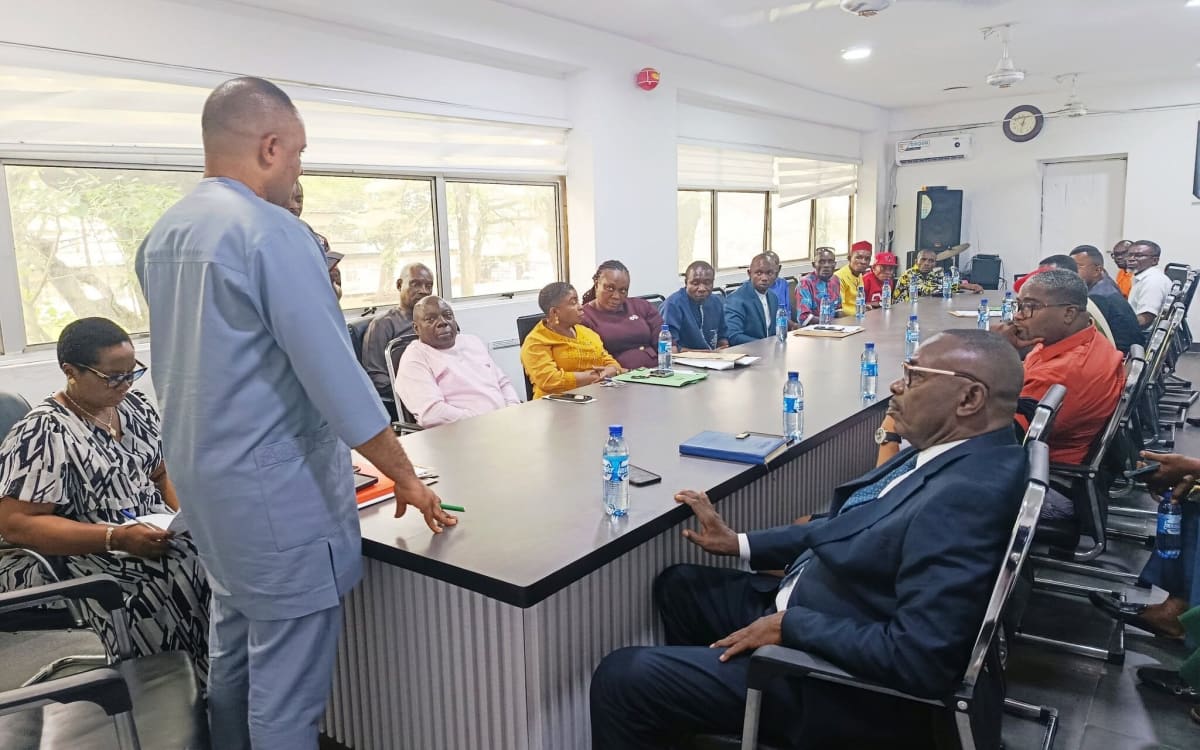
Dr. Bernard M. Doro, Nigeria's Minister of Humanitarian Affairs and Poverty Reduction, announced a major collaboration with the Nigerian Correctional Service to transform how the country supports inmates. Instead of just releasing people back into the same circumstances that may have led to their incarceration, the program will provide vocational training, business mentorship, financial tools, and ongoing support.
The timing couldn't be more important. Doro emphasized that inmates represent a vulnerable population often forgotten in social programs, even though helping them succeed benefits everyone.
The Ministry is overhauling how it delivers help to make sure support actually reaches the people who need it most. One key tool is the National Social Register, which now includes data on 19.7 million households across Nigeria collected through community-driven efforts.
By adding correctional facility data to this register, the government can ensure inmates and former inmates aren't left out of poverty reduction programs. This means someone leaving prison could access the same support systems available to other vulnerable Nigerians.
The Ripple Effect
What makes this initiative different is its focus on lasting change, not temporary fixes. The Ministry's poverty graduation framework doesn't stop at teaching skills. It includes access to equipment and supplies needed to start businesses, connections to mentors, help opening bank accounts, and months of follow-up to ensure people succeed.
Doro explained that past programs often failed because they taught skills but left people without the tools or support to use them. Many fell back into poverty despite their training.
The new approach tracks beneficiaries until they achieve economic stability and genuinely exit poverty. For inmates, this could mean learning carpentry and leaving prison with actual woodworking tools, a business plan, and an advisor checking in regularly.
The Comptroller-General of the Nigerian Correctional Service, Sylvester Ndidi Nwakuche, praised the Ministry's willingness to collaborate. He proposed forming a joint technical committee to develop programs focused on reducing the chances people return to crime after release.
The partnership will also explore agricultural initiatives that could create jobs both inside and outside correctional facilities. This approach recognizes that successful reintegration strengthens communities and reduces crime for everyone.
Together, these two agencies are proving that investing in people, even those who've made mistakes, creates a safer and more prosperous Nigeria for all.
More Images

Based on reporting by Google News - Poverty Reduction
This story was written by BrightWire based on verified news reports.
Spread the positivity!
Share this good news with someone who needs it