Nigeria Refunds $8,900 to Patients, Suspends 9 Hospitals
Nigeria's health insurance authority returned over $8,900 to patients and suspended nine hospitals after investigating nearly 4,000 complaints. The enforcement comes as the country expands coverage to protect 23 million people from crushing medical bills.
When thousands of Nigerians complained about being mistreated or overcharged at hospitals, their government actually listened and took action.
The National Health Insurance Authority resolved 3,878 complaints from patients and refunded more than 14.2 million naira (about $8,900) to people who'd been wrongly charged. Nine healthcare facilities were suspended for violations, and 368 others received official warnings to improve their practices.
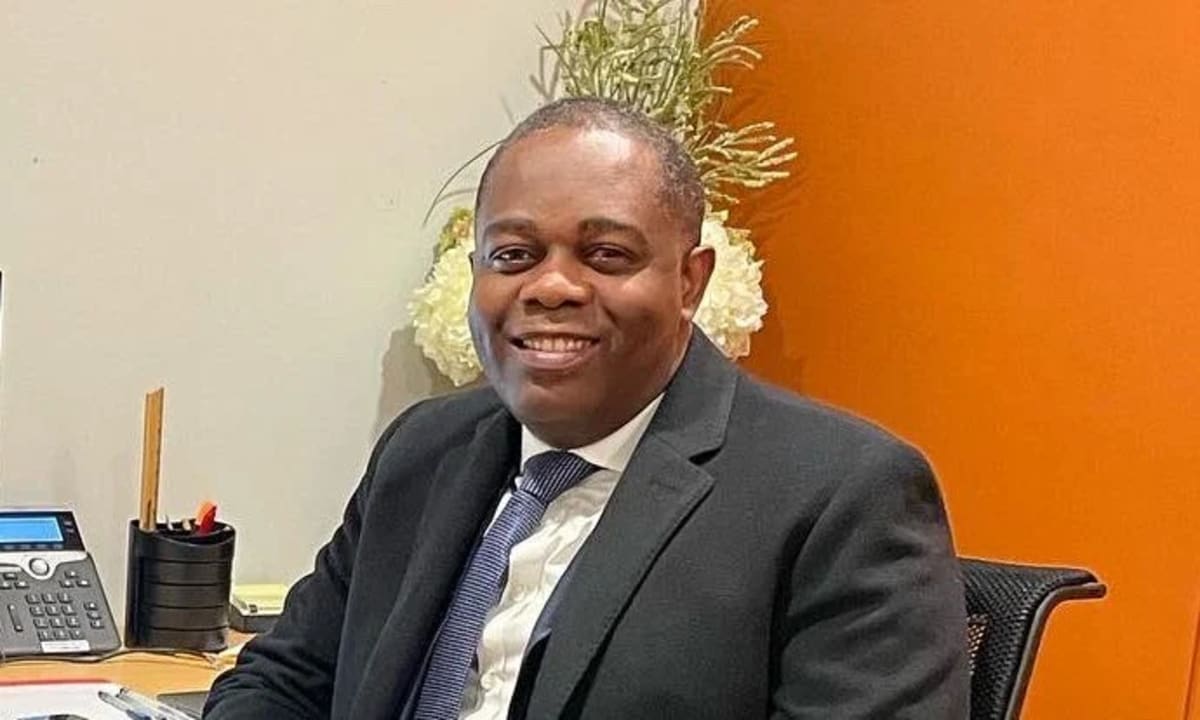
Dr. Kelechi Ohiri, who leads the authority, announced the enforcement measures during a mid-year health sector review in Abuja. His team deployed inspection teams to hospitals across the country to ensure facilities follow a one-hour treatment authorization policy and meet quality care standards.
The crackdown comes at a pivotal moment. National health insurance enrollment has jumped from 16 million to over 23 million people since the current administration began. Another 2.7 million poor and vulnerable Nigerians now receive support through the Basic Health Care Provision Fund.
But Ohiri emphasized that having insurance cards means nothing if people can't actually get the care they need. "We have moved from policy and legislation to measurable implementation," he explained.
The Ripple Effect
The reforms are creating real financial relief where it matters most. Healthcare providers now receive 93 percent more in regular payments and 378 percent more in service reimbursements, which helps them stay open and serve more patients.
For cancer patients facing devastating costs, the authority partnered with pharmaceutical company Roche to make treatment affordable. Under the arrangement, Roche covers half the cost of certain cancer medicines, the insurance authority pays 30 percent, and patients pay just 20 percent. Radiotherapy patients can receive between 400,000 naira and full coverage for their treatments.
"Coverage has to mean something when people become ill," Ohiri said. "Cancer is one of the clearest examples of why health insurance matters."
The program now covers mammograms, CT scans, MRI scans, diagnostic tests and radiation therapy. Over 51,000 people with HIV and tuberculosis across four states receive care through the system, and the authority is accrediting 2,000 more facilities to expand that coverage nationwide in 2027.
Maternal health outcomes show the program saves lives. Case fatality rates at participating maternal health facilities dropped 22 percent, from 1,042 deaths in 2024 to 810 as of August 2026. More than 93,000 women and newborns have received care, including over 6,000 women treated for fistula.
Ohiri acknowledged the journey ahead remains long. "Over 23 million Nigerians covered is significant, but it also tells us that there are many more Nigerians who are still outside the system," he said.
When patients speak up and authorities respond with real consequences, healthcare gets better for everyone.
More Images


Based on reporting by Punch Nigeria
This story was written by BrightWire based on verified news reports.
Spread the positivity!
Share this good news with someone who needs it