Nigeria Survey: Voters Ready to Support Women, Youth Leaders
A groundbreaking survey of over 11,000 Nigerian voters reveals that people are willing to elect women, young people, and persons with disabilities. The real barrier isn't voter rejection but lack of candidates on the ballot.
The excuses about Nigerian voters refusing to support women, youth, and people with disabilities just got knocked down by hard data.
Invictus Africa surveyed 11,196 eligible voters across all 36 Nigerian states and found something surprising. While 69% had never voted for a woman, half said they simply hadn't seen one on the ballot. Meanwhile, 64% said they'd happily vote for a woman in the 2027 elections.
The pattern repeated for young candidates. Nearly 80% of voters who'd never picked a young candidate didn't know any were running. Yet three quarters said they'd support youth in the next election. Interestingly, middle-aged voters showed even more enthusiasm for young candidates than young voters themselves.
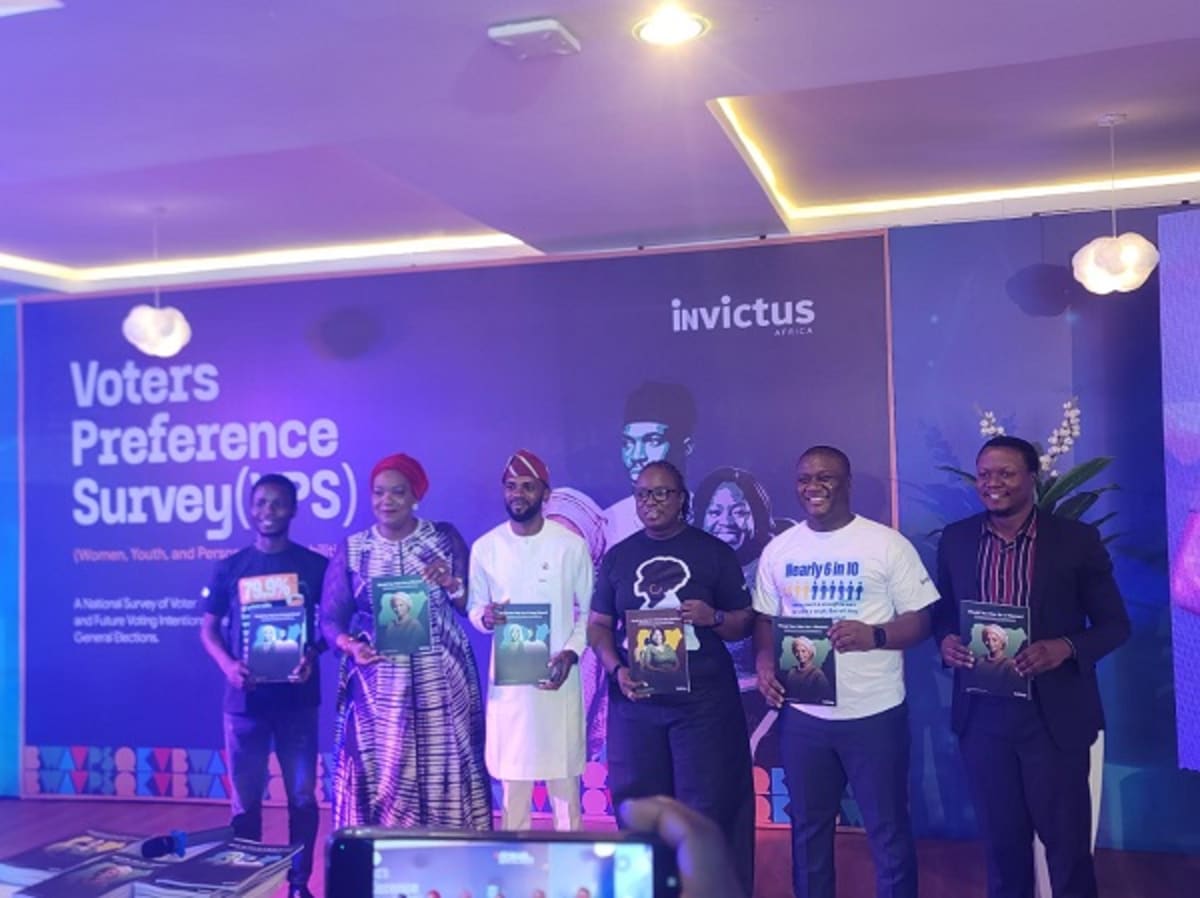
Executive Director Bukky Shonibare says the findings flip the conversation on its head. "We must ask whether these candidates are being given a fair opportunity to emerge," she told reporters at the survey launch.
The numbers point to political parties as the real gatekeepers. Who gets encouraged to run? Who can afford nomination forms? Who survives internal party processes and receives campaign support? These questions matter more than voter attitudes.
For persons with disabilities, the challenge runs deeper than just visibility. Only 9% of voters had ever supported a candidate with a disability, though 39% said they would in 2027. Support varied by position, with 71% willing to vote for a disabled councillor but only 49% for president.
The Ripple Effect
The survey's impact extends beyond Nigeria's borders. It provides concrete evidence that inclusive democracy struggles less with public acceptance and more with systemic barriers to entry. When parties fail to nominate diverse candidates, voters never get the chance to prove their openness.
Shonibare is calling for quota legislation requiring parties to nominate minimum numbers of women and underrepresented groups. She wants government to fast-track stalled equality bills and implement existing inclusion laws.
The data shows 55% of voters would support a woman based on track record alone, and nearly 60% said merit alone would earn their vote for a young candidate. Competence matters more than identity.
This research gives reformers ammunition to demand real change where it counts: inside party headquarters during candidate selection.
More Images


Based on reporting by Premium Times Nigeria
This story was written by BrightWire based on verified news reports.
Spread the positivity!
Share this good news with someone who needs it