Nigeria Tests New Peace Model to End 30-Year Oil Conflict
A fresh approach to dialogue is bringing hope to Nigeria's Ogoniland after three decades of oil-related conflict. Community leaders are calling for the model to be used across the country.
After more than 30 years of conflict over oil exploration and environmental damage, a new peace process in Nigeria's Ogoniland is earning praise for its effectiveness. The Movement for the Survival of the Ogoni People (MOSOP) says the dialogue approach could transform how Nigeria handles regional disputes.
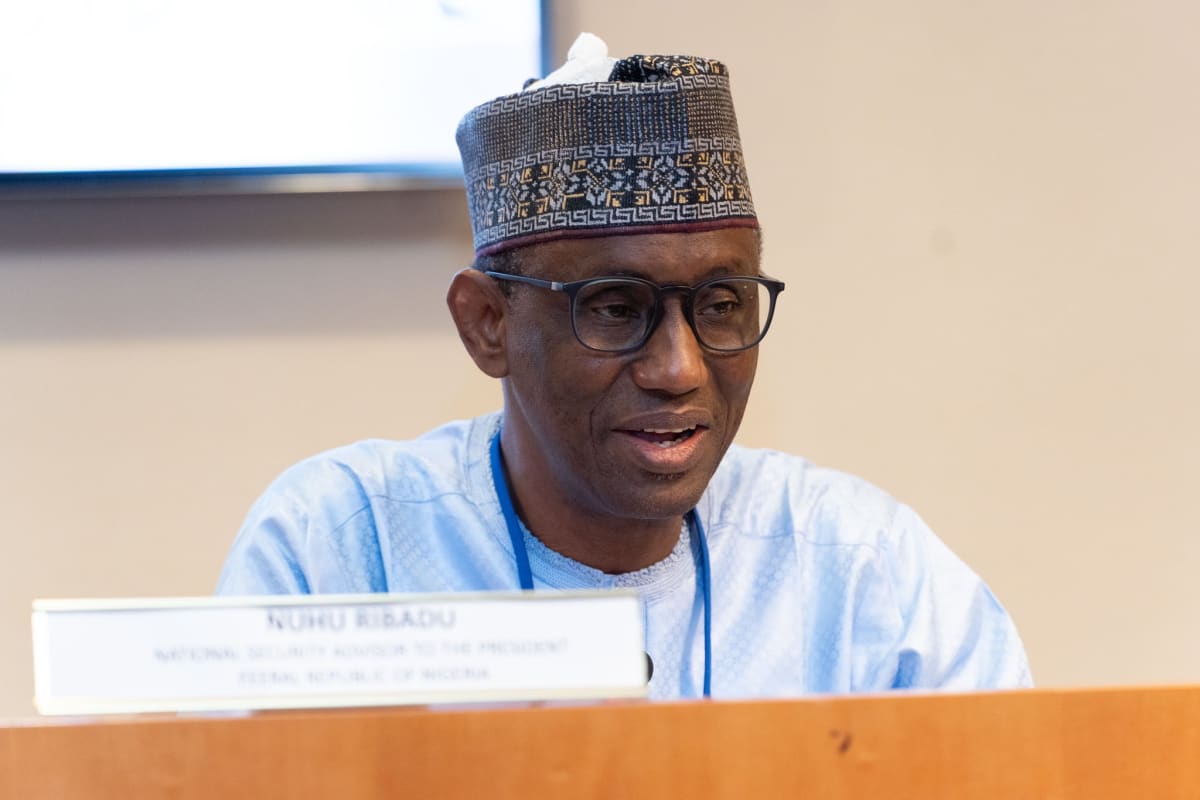
National Security Adviser Nuhu Ribadu has been leading conversations between government officials and Ogoni community leaders to address longstanding grievances. MOSOP President Fegalo Nsuke says the process represents a breakthrough after decades of tension.
"It is quite amazing to see that Mr Ribadu has been able to coordinate a reconciliation process in Ogoni successfully, and we are seeing the emergence of a new era and a brighter future for the Ogoni people," Nsuke told journalists in Rivers State. The organization plans to honor Ribadu with a merit award and traditional title when the process concludes.
The conflict dates back to 1993, when oil production stopped following mass protests against environmental destruction and demands for greater benefits from the region's resources. The 1995 execution of activist Ken Saro-Wiwa and eight others brought international attention to the crisis.
A 2011 United Nations assessment documented severe environmental contamination in Ogoniland, leading to a government cleanup program launched in 2016. Now, the dialogue process is tackling both environmental restoration and the possibility of resuming oil production with proper safeguards.
The Ripple Effect
Nsuke emphasized that the peace model's potential extends far beyond Ogoniland. He urged the government to apply the same approach in other conflict-affected regions across Nigeria to promote national reconciliation.
The MOSOP leader is redirecting community focus toward practical improvements in employment, healthcare, education and security rather than disputes over leadership. "That should be our concern," he said, particularly for young people and elderly residents who have lived through decades of uncertainty.
While some Ogoni groups continue to demand transparency and environmental safeguards before any oil resumption, MOSOP's support for the dialogue signals growing confidence in the process. Federal ministers and petroleum officials have joined the discussions, demonstrating government commitment to finding solutions.
The dialogue offers Ogoni communities a voice in shaping their future after years of feeling unheard.
More Images



Based on reporting by Premium Times Nigeria
This story was written by BrightWire based on verified news reports.
Spread the positivity!
Share this good news with someone who needs it