Nigeria Unveils Digital Hajj Reform Plan for 2027
Nigeria's Hajj commission is launching a major digital transformation to modernize how 50,000+ pilgrims experience one of Islam's holiest journeys. The new system promises transparency, better service, and accountability after years of operational challenges.
Nigeria is bringing its annual pilgrimage to Mecca into the digital age with a comprehensive reform plan that could transform how tens of thousands of Muslims make their sacred journey.
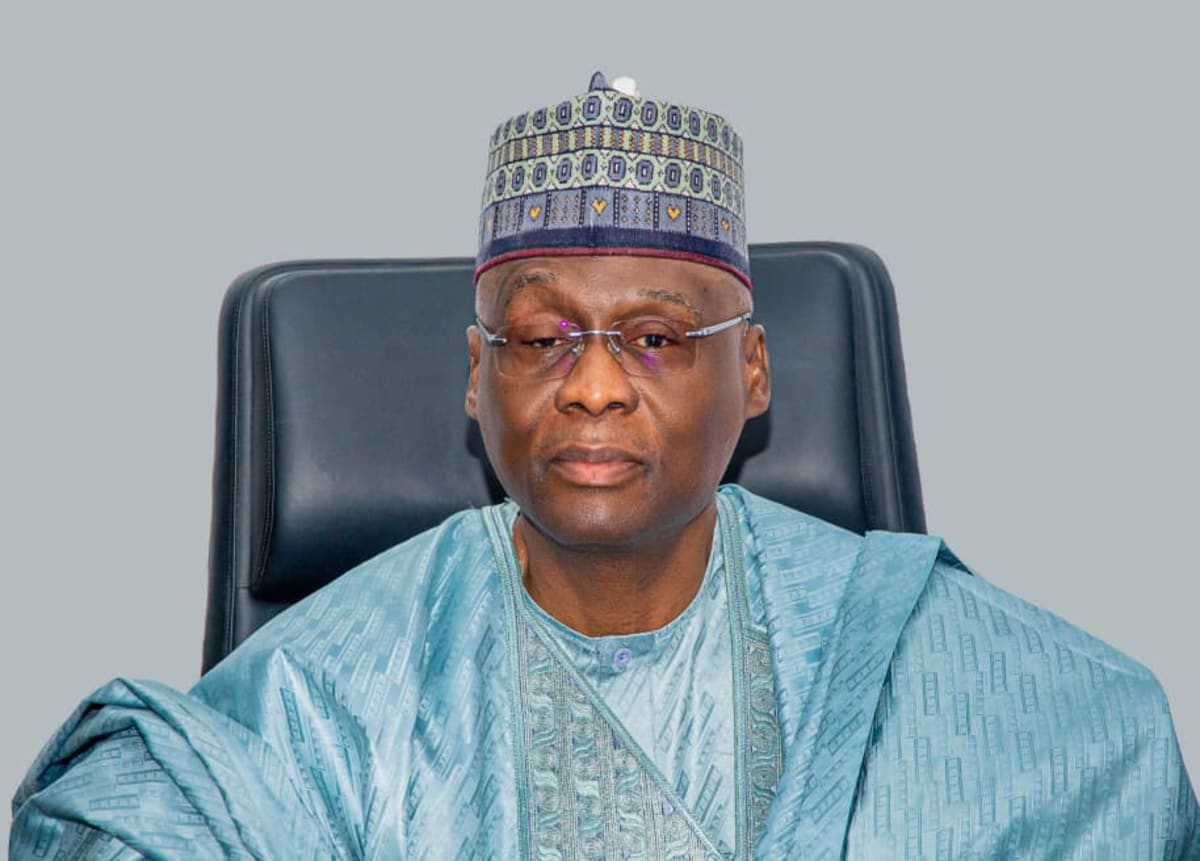
Ismail Yusuf, head of Nigeria's National Hajj Commission, announced the ambitious modernization agenda at a stakeholders summit in Abuja this week. The goal is simple but powerful: give pilgrims the dignity, order, and efficient service they deserve.
The timing matters. Saudi Arabia has already transformed pilgrimage management through digital platforms as part of its Vision 2030 initiative, and Nigeria risks falling behind if it doesn't adapt. As one of the world's largest Hajj-participating nations, Nigeria can't afford to be a spectator in this transformation.
The 2026 Hajj exposed both progress and problems. While officials successfully airlifted all pilgrims, processed visas smoothly, and brought everyone home safely, serious issues emerged. Over 100 pilgrims bypassed mandatory medical screening, catering services fell short at holy sites, and some service providers failed to meet basic standards.
Yusuf didn't sugarcoat these failures. He promised that poor performance would now carry real consequences, including compensation for pilgrims when services fall below standards.
The reform plan includes several concrete changes. A new National Pilgrimage Digital Platform will handle Hajj and Umrah services end-to-end. Financial transparency will increase dramatically. Professional certification will become mandatory for Hajj officials. Performance-based evaluations will replace the old system where failure had no consequences.
The commission is also starting earlier. State welfare boards and licensed tour operators have already received orders to begin preparing for the 2027 pilgrimage, shifting away from last-minute scrambling.
The Ripple Effect
This modernization reaches far beyond Nigeria's borders. When Africa's most populous country improves its Hajj operations, it sets a standard for other nations managing mass pilgrimages. The reforms could influence how countries worldwide approach religious travel logistics.
The changes also strengthen Nigeria's relationship with Saudi Arabia, positioning the country as a strategic partner rather than just another participant. Better data systems, real-time tracking, and professional standards align perfectly with Saudi Arabia's own digital transformation goals.
Stakeholders who attended the summit praised the transparency. Licensed tour operator Hassan Abdallah called the reform agenda a clear sign of determination to modernize through professionalism and innovation. Others expressed confidence that full implementation would make Nigeria's Hajj administration globally competitive.
The commission has transformed this pilgrimage review into something rare in government operations: an honest accounting of what went wrong and a specific plan to fix it. No spin, no excuses, just acknowledgment and action.
For the millions of Nigerian Muslims who dream of making the Hajj, these reforms represent something precious: the promise that their once-in-a-lifetime spiritual journey will be managed with the care and professionalism it deserves.
More Images


Based on reporting by Premium Times Nigeria
This story was written by BrightWire based on verified news reports.
Spread the positivity!
Share this good news with someone who needs it