Nigeria Upgrades Blood Safety Rules to WHO Standards
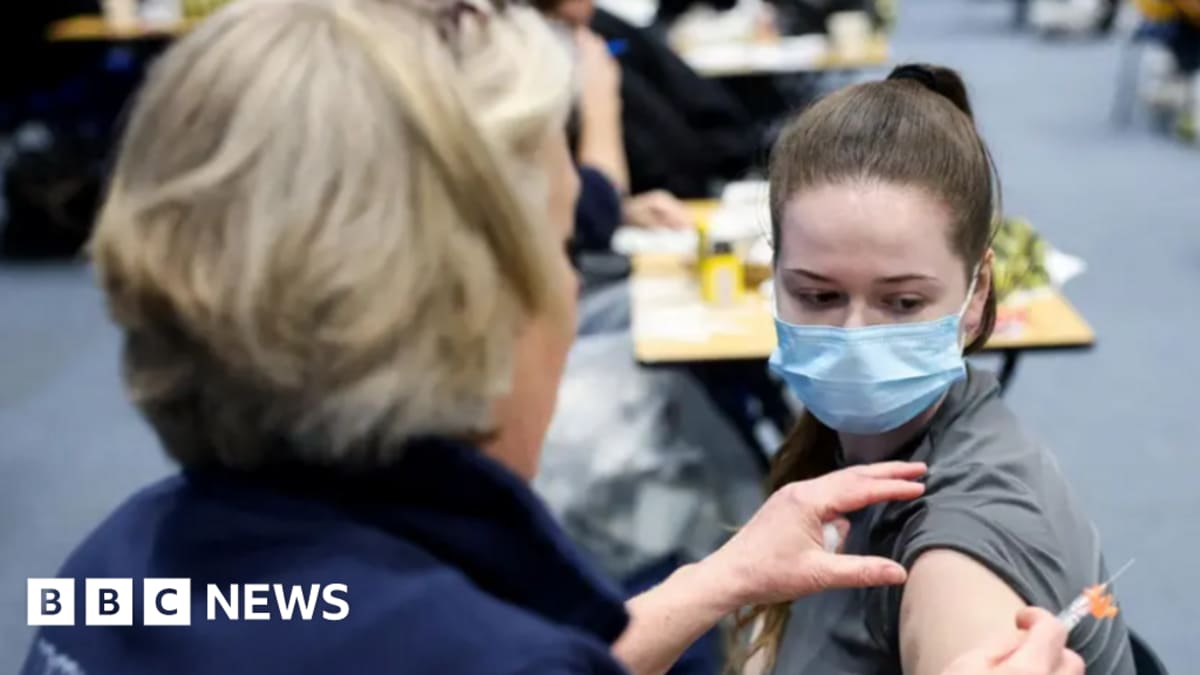
Nigeria is strengthening how it regulates blood donations and transfusions, bringing life-saving care up to global safety standards. The move could protect millions who depend on blood products during emergencies, surgeries, and childbirth.
Nigeria just took a major step toward safer healthcare for everyone who needs a blood transfusion.
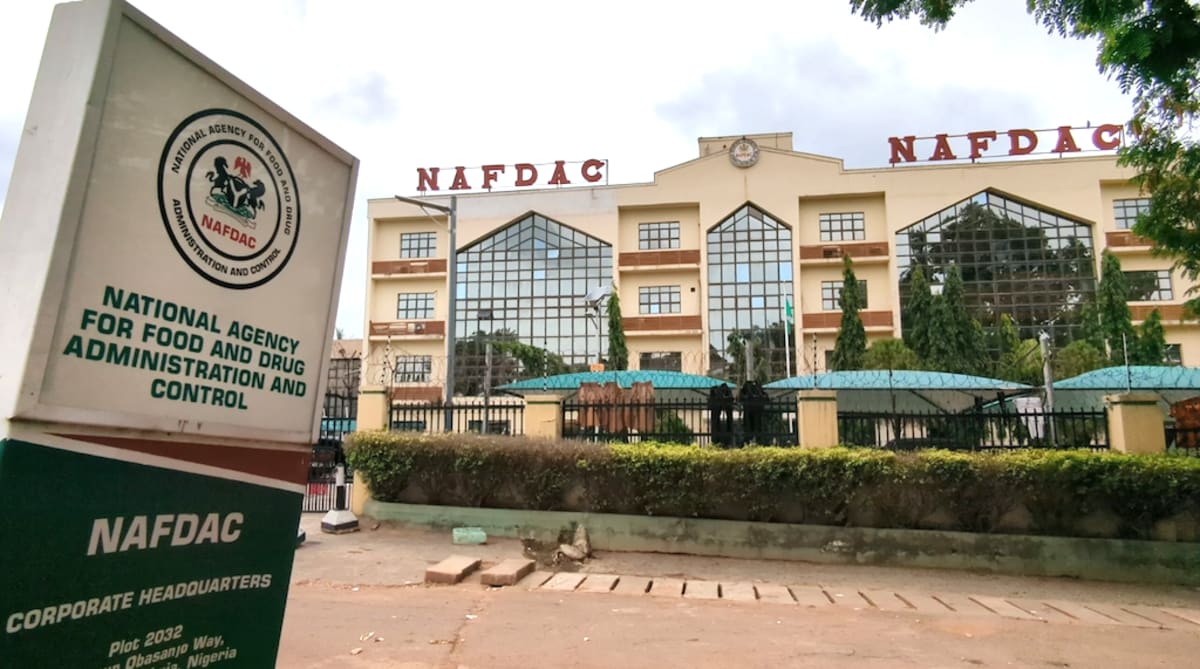
The National Agency for Food and Drug Administration and Control (NAFDAC) announced it's now overseeing blood and blood products with the same rigor it applies to medicines. This follows World Health Organization recommendations and puts Nigeria alongside countries like Ghana, South Africa, Rwanda, and Egypt that already treat blood as an essential medicine requiring strict quality control.
The change matters because blood transfusions save lives every single day. Whether someone needs emergency surgery, is giving birth with complications, or requires treatment for conditions like sickle cell disease, safe blood can mean the difference between life and death.
Under the new system, every step gets monitored. NAFDAC will oversee donor screening, blood collection, testing, processing, storage, transportation, and final use. Each stage now has to meet international safety and quality standards before blood reaches patients.
NAFDAC didn't jump into this unprepared. The agency recently achieved WHO Maturity Level 3 status, meaning its regulatory systems meet global benchmarks. Its drug laboratory earned WHO prequalification, and its quality management systems received international accreditation.
The agency also created a dedicated directorate just for vaccines, biologicals, and medical devices in 2024. An ultra-modern laboratory facility is currently under construction to further boost Nigeria's capacity to test and ensure quality control of biological products.
The Ripple Effect
This regulatory upgrade could strengthen public trust in Nigeria's entire healthcare system. When people know the blood supply is safe and monitored at every step, they're more likely to donate and more confident receiving transfusions when needed.
The move also connects Nigeria to a global network of countries committed to blood safety. That means shared best practices, better training for healthcare workers, and ultimately more lives saved across Africa's most populous nation.
NAFDAC Director-General Mojisola Adeyeye emphasized that success depends on teamwork. The agency is calling for collaboration among government institutions, healthcare providers, blood banks, development partners, and other stakeholders to make the framework work.
Health Minister Muhammad Pate's support for the initiative shows government commitment at the highest levels. With regulatory infrastructure now in place and political backing secured, Nigeria has the foundation to ensure every unit of blood meets safety standards.
Millions of Nigerians who might one day need a transfusion can now have greater confidence that the blood they receive will be safe, tested, and properly handled from donation to delivery.
More Images


Based on reporting by Premium Times Nigeria
This story was written by BrightWire based on verified news reports.
Spread the positivity!
Share this good news with someone who needs it