Nigerian Bus Startup Joins Google Maps After 10M Trips
Shuttlers, a Nigerian bus service, just became the first private transit company in West Africa to integrate with Google Maps after completing 10 million safe rides. For commuters spending over two hours a day navigating Lagos traffic, finding reliable transport just got easier.
Imagine spending 11 hours every week just trying to get to work. That's the reality for millions of commuters in Lagos, Nigeria, where unpredictable buses and expensive ride-hailing apps turn every trip into a gamble.
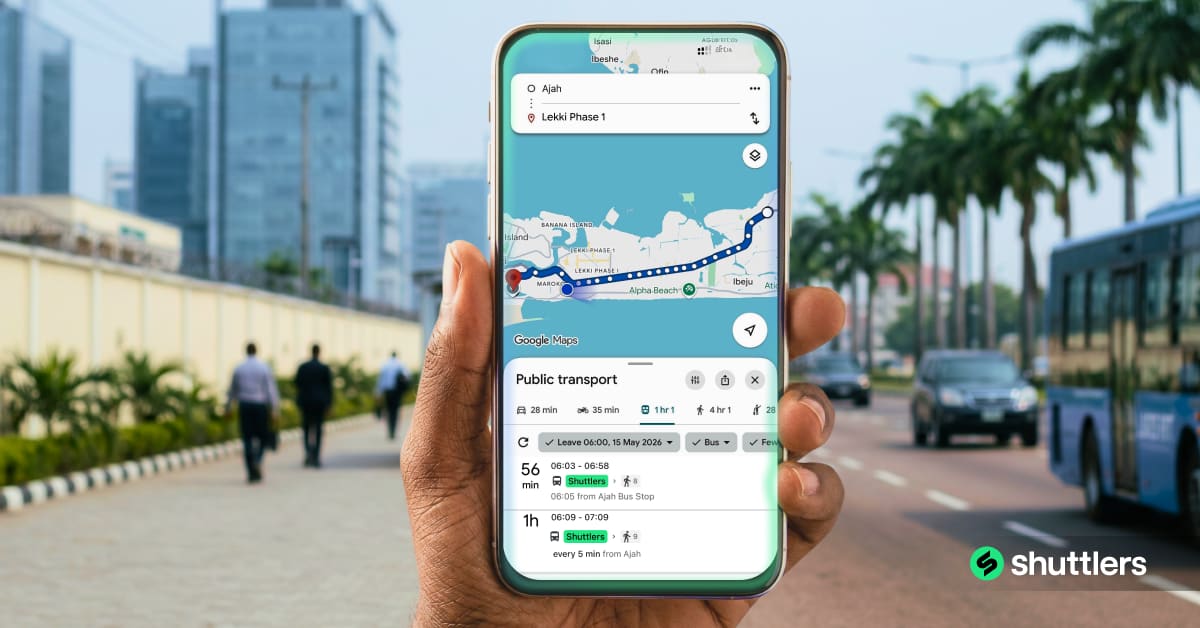
Now there's a breakthrough. Shuttlers, a Nigerian shared bus service, has integrated its routes into Google Maps, becoming the first private transit operator in West Africa to do so. When commuters search for directions in Lagos, Abuja, or Port Harcourt, they'll now see Shuttlers' scheduled buses alongside other transit options and can book seats directly through the app.
The milestone comes after eight years of steady growth since Shuttlers launched in 2016. The company now serves 30,000 active riders daily across more than 1,000 routes, running 430 buses that have completed over 10 million trips with a 99% on-time record and 99.94% incident-free safety rate.
"For millions of professionals, commuting is still unpredictable, exhausting and expensive," said Damilola Olokesusi, Shuttlers' CEO and co-founder. The company offers both individual bookings and partnerships with businesses that subsidize employee commutes, giving workers a structured alternative to crowded informal buses.
The timing matters. African city residents pay roughly double the global average for transport, according to the World Bank, while public systems struggle to keep up with rapid urbanization. Private operators like Shuttlers are filling that gap with scheduled, trackable services that treat daily commuting like the essential infrastructure it is.
The Ripple Effect
This integration does more than make one company easier to find. It signals that African tech companies can meet global standards and earn placement alongside established transit systems. When Google's algorithms trust your data quality and operational reliability enough to recommend your service to millions of users, that's validation money can't buy.
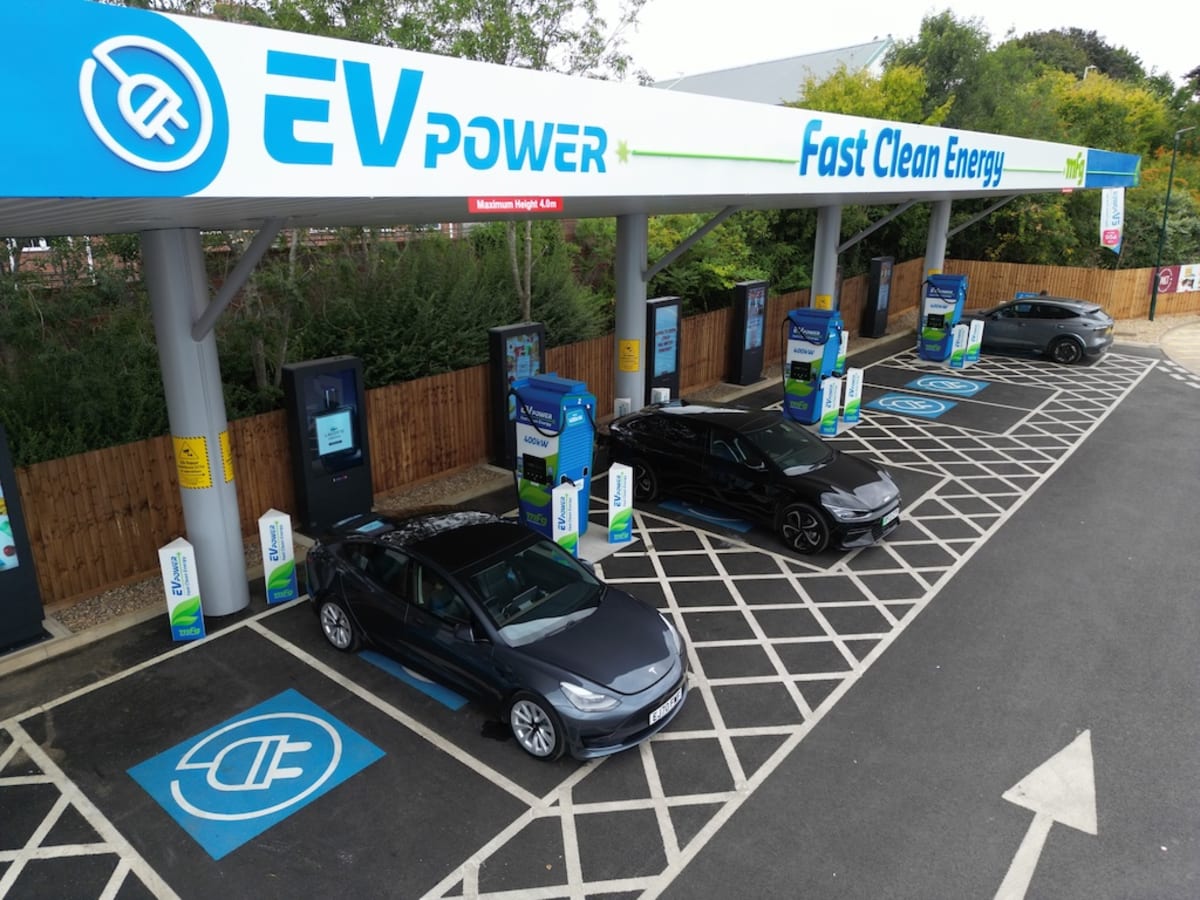
The benefits extend beyond convenience. Shuttlers is adding compressed natural gas and electric buses to its fleet, cutting emissions by up to 60% compared to diesel alternatives. Twenty CNG buses joined the fleet in April 2025, turning daily commutes into climate action.
The company has raised $5.6 million in funding since 2021, attracting investors who see reliable urban transport as both a business opportunity and a social necessity. As more African cities digitize their mobility systems, integrations like this show how homegrown solutions can compete on the global stage.
For a commuter in Lagos opening Google Maps tomorrow morning, the change is simple: one more reliable way to get to work on time.
Based on reporting by TechCabal
This story was written by BrightWire based on verified news reports.
Spread the positivity!
Share this good news with someone who needs it