Nigerian Eye Expert: Check Kids' Vision Early
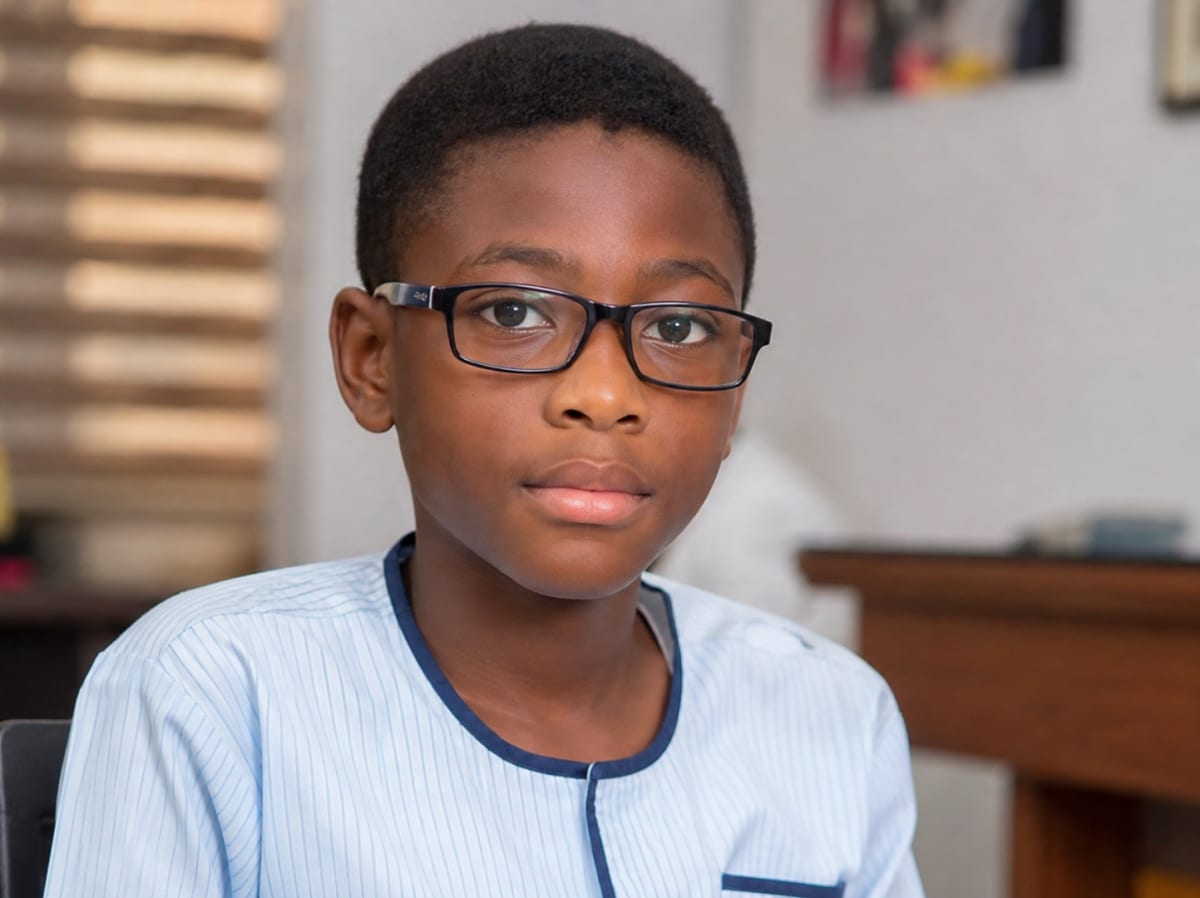
Many children don't realize they have vision problems because they assume everyone sees the world the way they do. An eye care professional in Nigeria is urging parents to prioritize early eye checks that could make all the difference in their child's development.
Children often don't complain about blurry vision because they think everyone sees the same way they do. That's why early eye screenings are so important, says Tomisin Ayodele, a Dispensing Optician at Eyekon Innovation Optics Lab in Nigeria.
Some kids are born with vision issues while others develop them as they grow. Common problems include nearsightedness, farsightedness, and astigmatism, or having different vision levels in each eye.
Ayodele emphasizes that glasses don't mean something is seriously wrong. Most of the time, they simply help a child's eyes focus light properly so they can see clearly.
Parents should watch for telltale signs. Kids might squint, sit too close to the TV, hold books or phones very close to their faces, or rub their eyes frequently.
Other red flags include struggling to copy from the classroom board, making unusual reading mistakes, or avoiding activities because they can't see well. Headaches can also signal vision trouble.
Genetics play a role, but they're not everything. A child can need glasses even when no one in the family wears them, and vice versa.
The Ripple Effect
Catching vision problems early matters more than most parents realize. When children get the right prescription while their visual system is still developing, it helps their eyes grow normally.
This is especially crucial when one eye sees much better than the other. Leaving this untreated too long can affect how the weaker eye develops, potentially leading to a condition called lazy eye.
The International Agency for the Prevention of Blindness identifies uncorrected vision problems as the most common cause of vision impairment worldwide. The good news? Most cases can be fixed with glasses or contact lenses.
Poor vision can also hurt academic performance. Kids with uncorrected farsightedness or nearsightedness often struggle in school, not because they can't learn, but simply because they can't see.
What about screen time? Ayodele says phones and TVs don't suddenly make kids need glasses, though spending long periods on close-up activities with little outdoor time can contribute to worsening nearsightedness.
She recommends encouraging regular breaks, keeping screens at a reasonable distance, and making sure children spend plenty of time playing outside. No need to ban screens completely.
In 2024, the Nigerian Optometric Association's Lagos State Chapter called for mandatory eye exams starting at preschool age. Good eyesight isn't just about seeing clearly—it's essential for learning, growth, and social interaction.
One simple eye check could unlock a clearer, brighter future for a child who never knew to ask for help.
More Images


Based on reporting by Premium Times Nigeria
This story was written by BrightWire based on verified news reports.
Spread the positivity!
Share this good news with someone who needs it