Nigerian Groups Push Banks to Stop Funding Pollution
Civil society groups in Nigeria are training communities to hold banks accountable for financing projects that harm the environment and people. The Fair Finance Nigeria Coalition is teaching residents how to demand better from the financial institutions that fund extractive industries in the Niger Delta.
Communities in Nigeria's Niger Delta are learning how to challenge the banks that make environmental destruction possible.
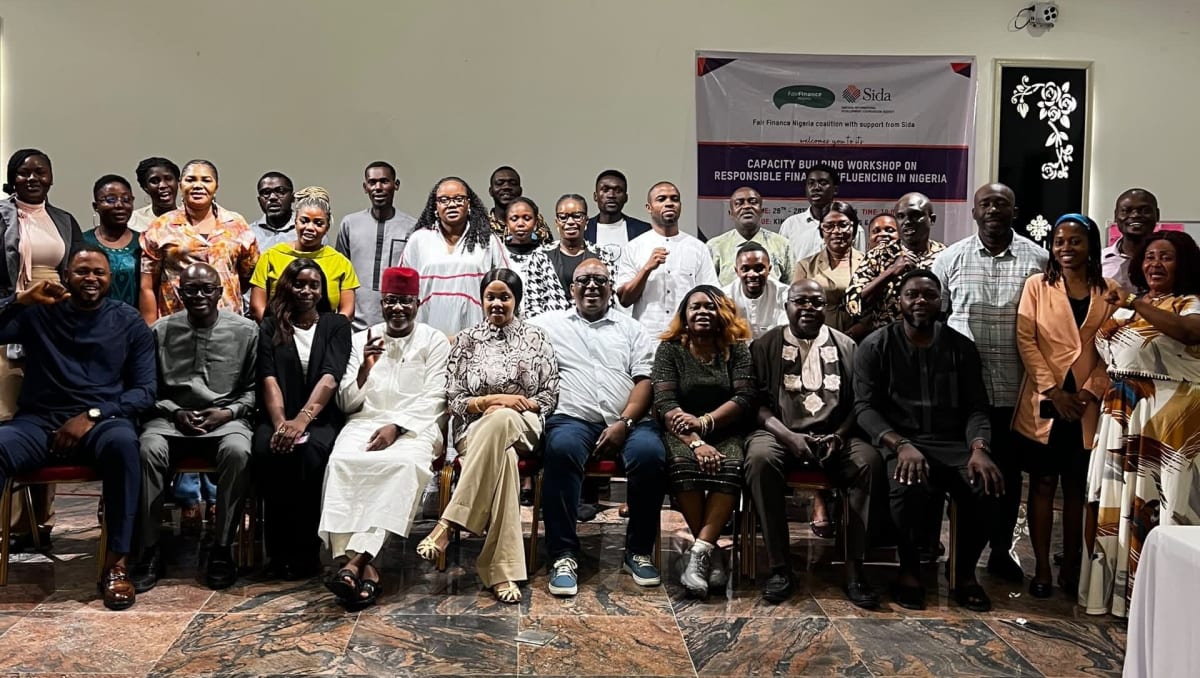
The Fair Finance Nigeria Coalition brought together community members, activists, and journalists in Akwa Ibom State for a three-day workshop on responsible finance. The message was clear: banks must answer for the damage caused by projects they fund.
"Finance is not neutral," said Henry Ushie, a program manager at Oxfam Nigeria and coalition member. His organization examined how Nigerian banks' lending decisions affect climate change, human rights, labor conditions, and environmental protection.
The coalition includes six major civil society organizations working to shine light on where bank money goes. Their research revealed gaps in how Nigerian financial institutions consider the environmental and social costs of their investments.
Harry Udoh, another coalition member, pointed to real examples from Ibeno and Eastern Obolo communities. Oil operations financed by banks have damaged farmlands and destroyed fishing areas that families depend on for survival.
The workshop equipped participants with practical tools to demand accountability. Communities learned to file complaints through multiple channels at once, including bank headquarters, local branches, and social media platforms.
The Ripple Effect
The training created unexpected connections between groups that rarely work together. Journalists requested ongoing access to coalition research to better report these stories. Community members discovered they could challenge powerful institutions that once seemed untouchable.
Ekemini Simon, a reporter, said the workshop opened entirely new reporting possibilities. Idongesit Ashameri from the Daily Independent praised the hands-on approach, which used role-playing to show participants exactly how to apply pressure on financial institutions.
The coalition called on Nigeria's Central Bank to strengthen sustainable finance regulations. They urged lawmakers to provide stronger oversight of how banks and regulators handle environmental concerns.
Ushie emphasized that affected communities must participate in creating and enforcing banks' sustainability policies. The workshop model recognizes that people living with pollution understand its impact better than anyone in a boardroom.
The coalition plans to maintain contact with trained participants and provide ongoing support. This creates a growing network of communities and advocates who can share strategies and successes.
Nigerian communities are discovering their power to question where money flows and who pays the true cost.
More Images


Based on reporting by Premium Times Nigeria
This story was written by BrightWire based on verified news reports.
Spread the positivity!
Share this good news with someone who needs it