Nigerian Professor Wins Prize for Research Equipment Database
A chemistry professor turned her frustration at finding working lab equipment into a national platform connecting researchers across Nigeria. Her solution just won global recognition and funding to scale even further.
Edu Inam spent years searching for functional scientific equipment to complete her research, only to discover the tools she needed were often sitting unused in labs across Nigeria. Now the University of Uyo chemistry professor has won a major international prize for building a database that solves this problem for researchers nationwide.
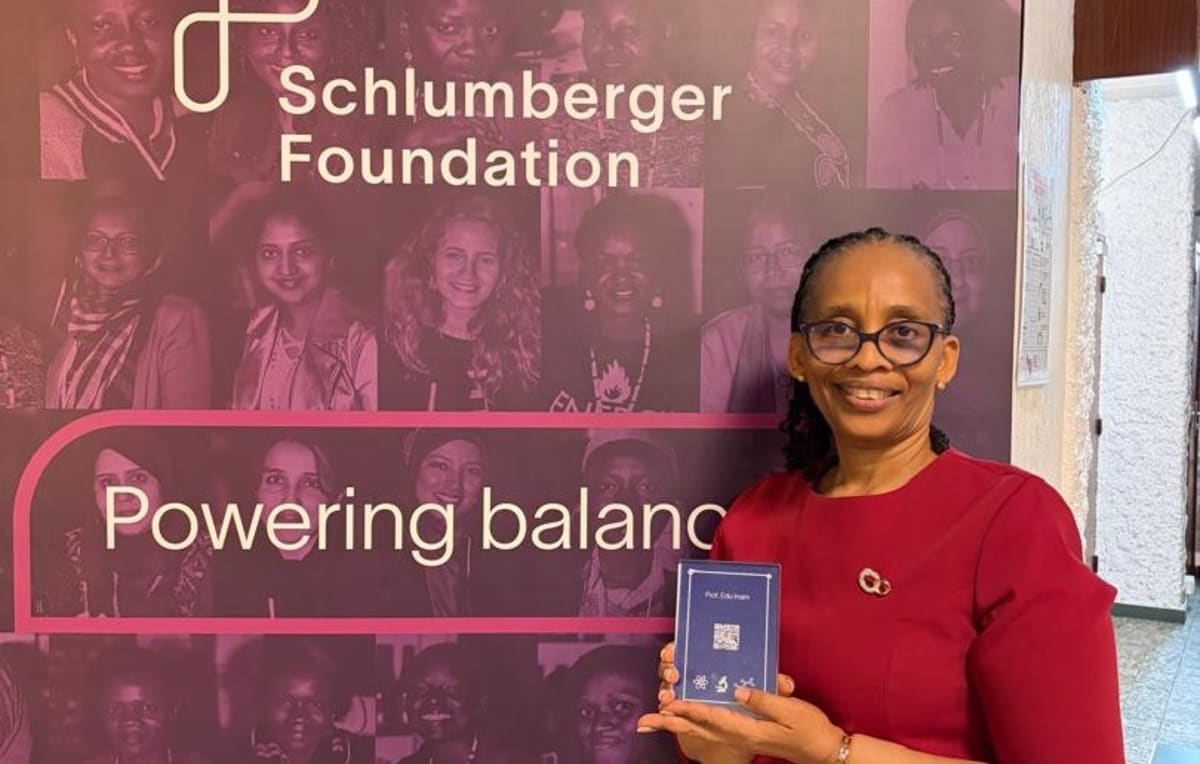
Inam received the 2026 Faculty for the Future Impact Prize from the Schlumberger Foundation, beating out 156 applications from 61 countries. She was one of just nine women scientists and engineers selected for the inaugural award.
Her winning project, LabEquipment.ng, does something simple but powerful: it tells researchers where scientific equipment exists, whether it works, and how to access it. The searchable platform launched publicly in 2021 after Inam recognized that Nigeria's research challenges often weren't about lacking equipment, but about knowing where to find it.
"My personal challenge has been knowing where functional equipment are located and how to access them in Nigeria's higher institutions system," Inam explained. Students needing specialized tools to graduate sometimes couldn't complete their research projects, not because the equipment didn't exist, but because they couldn't locate it.
By the end of 2025, LabEquipment.ng had connected 22 institutions, cataloged more than 200 pieces of equipment, and served over 550 users making 3,000 searches. The platform helps universities avoid buying expensive duplicate equipment while identifying genuine gaps where investment is needed.
The prize funding will add mobile access, bring more institutions onboard, and create clearer systems for requesting lab services. Inam also plans to track equipment maintenance and functionality, helping institutions treat research tools as long-term assets rather than forgotten purchases.
The Ripple Effect
The impact extends far beyond a simple equipment list. The database is creating a more connected research ecosystem where collaboration crosses institutional boundaries. Universities can make smarter investment decisions based on actual data about existing capabilities rather than guesswork.
Inam envisions researchers asking not "Does my university own this equipment?" but "Where in Nigeria is this capability available, and how can I access it?" That shift could mean more research projects completed at home rather than abandoned or sent abroad.
The platform is already helping technical experts, funding organizations, and development partners understand Nigeria's research infrastructure landscape. Better visibility means better maintenance, reduced waste, and stronger regional research networks.
For Inam, success looks like researchers discovering critical capabilities outside their own institutions, increased use of shared facilities, and most importantly, more completed research projects. "The goal is not simply a larger database," she said. "It is a more connected research ecosystem, one in which a student's experiment is less likely to end at the door of a laboratory with a broken machine."
Other prize winners include scientists improving STEM access for women in India, building math education circuits in Ghana, and creating mentorship infrastructure across Southeast Asia. Together, they're proving that simple solutions to everyday frustrations can transform entire research communities.
Based on reporting by AllAfrica - Science
This story was written by BrightWire based on verified news reports.
Spread the positivity!
Share this good news with someone who needs it