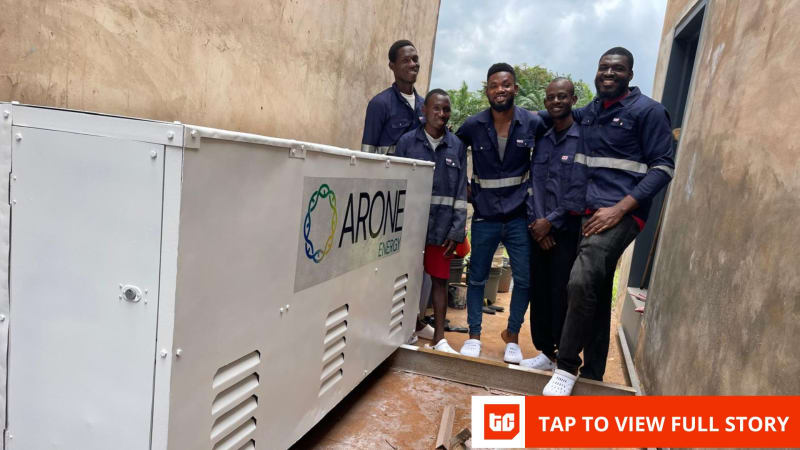
Nigerian Startup Builds Medical Drones for $2,190 vs $10K
A Nigerian company is manufacturing drones locally for one-fifth the cost of imported models, proving Africa can build world-class hardware. What started with a devastating crash and $2,200 is now a $9.5 million manufacturing partnership.
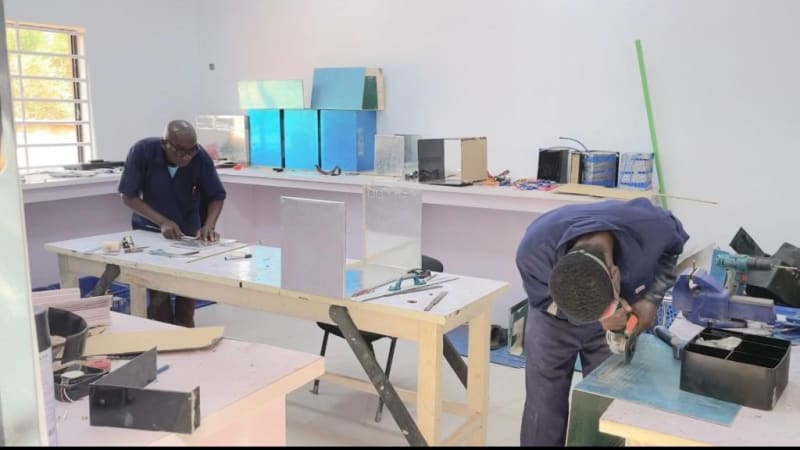
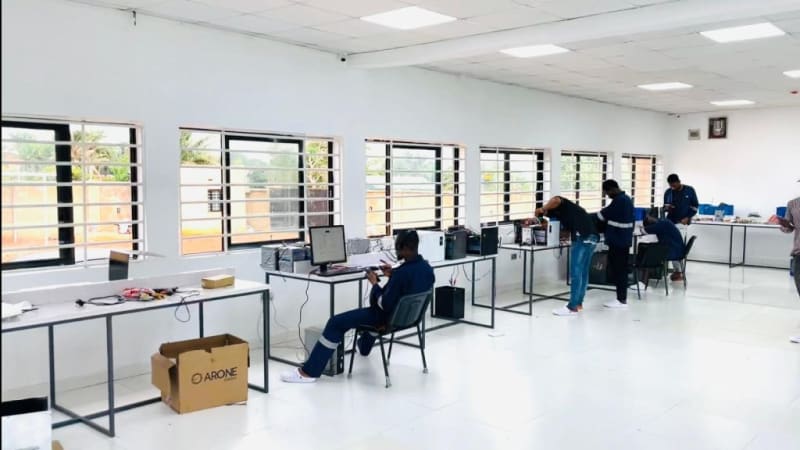
In a 2,000-square-meter factory in southeastern Nigeria, engineers are assembling drones that cost $2,190 instead of the usual $10,000. They're not just saving money—they're proving a continent can build its own technology.
Arone Technologies started in 2018 with a simple goal: get lifesaving medicine to remote villages faster. Founder Emmanuel Ezenwere, an AI engineer, knew that Nigeria's 30,000 primary healthcare centers struggled with deliveries that could take hours on poor roads. His solution was autonomous drones that could carry 5kg of medical supplies across 200 kilometers in 15 minutes instead of over an hour by car.
The company's first flight in 2019 succeeded. The second one crashed, wiping out more money than they'd raised. "The crash cost was greater than the capital we had raised," Ezenwere recalled. Instead of giving up, the team rebuilt smarter, breaking complex systems into manageable modules.
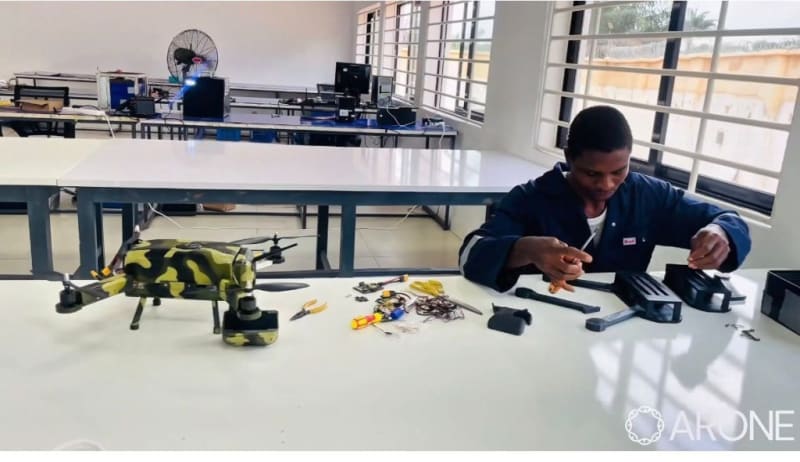
Today, Arone builds over 50% of its drone components in Nigeria, including airframes, control systems, and AI software. The Aurora drone, equipped with thermal imaging for night surveillance, delivers the same capabilities as $10,000 foreign models at less than a quarter of the price. The Nigerian Air Force and Defence Research Bureau are now customers.
The company didn't stop at drones. Constant power outages pushed them into energy solutions. Their Luminar 2.0 solar system fits in a suitcase but powers a household through blackouts, keeping vaccine refrigerators running in clinics across all 36 Nigerian states.
The Ripple Effect
Arone's success is reshaping what's possible for African manufacturing. The company just secured a ₦12.95 billion ($9.52 million) partnership to build Nigeria's first tech manufacturing plant for defense, aerospace, robotics, and renewable energy. What began with a $2,200 grant is becoming an industrial hub that could train the next generation of African engineers.
By building locally, Arone reduces exposure to currency swings and import costs while creating skilled jobs. More importantly, they're solving problems designed for African conditions—drones that work in extreme heat, solar systems built for unreliable grids, and prices that local institutions can actually afford.
The crashes and setbacks forced innovation that expensive foreign imports never could. Every constraint became a design challenge, every failure a lesson in building smarter.
From a devastating crash to powering clinics across a nation, Arone is writing a new story about what Africa can build.
More Images
Based on reporting by TechCabal
This story was written by BrightWire based on verified news reports.
Spread the positivity!
Share this good news with someone who needs it


%2Ffile%2Fattachments%2Forphans%2FBMAfricaairlines_291454.jpg)