Nigerian State Tops Growth Rankings in Three Years
Abia State, Nigeria has surged from fiscal struggles to the top of national rankings, leading in expenditure growth and infrastructure spending. The turnaround came from an economist-governor who brought banking discipline to public service.
A Nigerian state once known for unpaid salaries and crumbling roads now ranks first in the nation for infrastructure spending per person.
Abia State has climbed to the top of Nigeria's development rankings in under three years, according to the BudgIT 2026 State of States Report. The state now leads in total expenditure growth, capital expenditure growth, and ranks second in revenue growth across all Nigerian states.
The numbers reveal dramatic change. Abia now spends ₦137,253 per resident on infrastructure and development projects, the highest rate in Nigeria. That money is building roads, hospitals, schools, and creating jobs across the state's 17 local government areas.
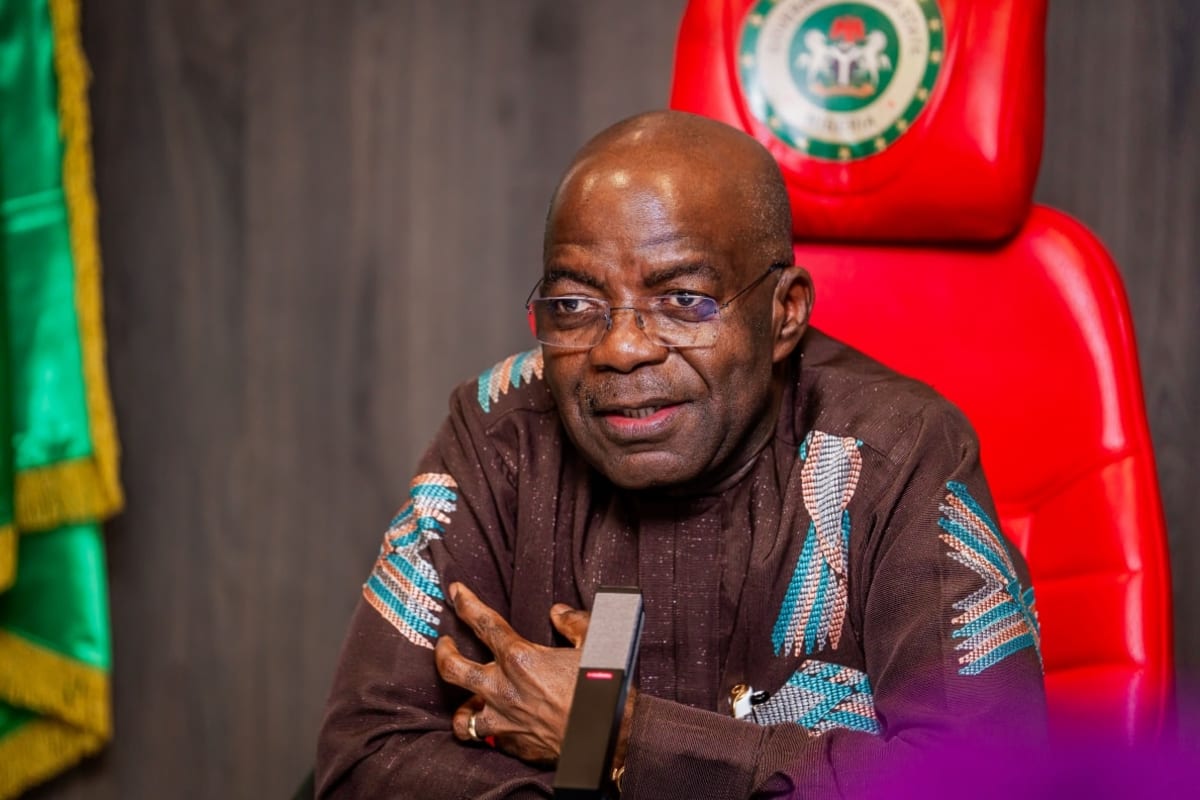
Governor Alex Otti, a former bank executive and economist, brought financial expertise to the challenge. His background showed him exactly where money was leaking and how to redirect it toward visible results. Within months, abandoned projects restarted, salaries reached workers on time, and budget books opened for public review.
The healthcare system saw rapid improvements too. Abia won $500,000 at the 2025 Nigeria Governors' Forum Primary Healthcare Leadership Challenge, recognized as the best-performing state in the Southeast zone. The prize rewarded measurable gains in immunization coverage, facility upgrades, and healthcare delivery.
Major road reconstruction projects now connect Port Harcourt Road, Ohanku Road, and rural networks across Umuahia, Uzuakoli, Abiriba, and Ohafia. The administration treats these as economic arteries, not just pavement. Better roads mean easier commerce, faster emergency response, and restored dignity to communities.
Education and skills training received similar attention. The government recruited teachers, renovated schools, and launched programs preparing young people for digital economy jobs. Every investment aimed at building capacity for the next generation.
The Ripple Effect
The transformation is changing how Nigeria sees Abia State. Investors who once avoided the region are now exploring factory sites in Aba and Umuahia. Business owners notice when a government demonstrates it can manage money and deliver results.
Millions of Abia citizens living abroad finally have a home government they can celebrate. That pride translates into increased remittances, business partnerships, and international advocacy for the state.
Daily life improved in tangible ways. Doctors received equipment they needed. Teachers got paychecks they could count on. Roads became motorable again. Government stopped being an abstract disappointment and became streetlights, clean water, and functioning classrooms.
The fiscal turnaround required blocking revenue leaks and prioritizing internal revenue generation. Instead of borrowing to fund projects, the state learned to build from its own earnings. That shift made sustained growth possible without crushing debt.
Ferdinand Ekeoma, the governor's media adviser, noted that technical competence alone cannot finish the transformation. Communities must use the new health centers, support tax reforms, and hold contractors accountable for quality work. Citizens paying taxes willingly because they see results creates a virtuous cycle.
The BudgIT report represents a midpoint, not a finish line. If residents maintain support while demanding accountability, the next rankings could show Abia leading not just in growth rates but in overall prosperity.
More Images


Based on reporting by Premium Times Nigeria
This story was written by BrightWire based on verified news reports.
Spread the positivity!
Share this good news with someone who needs it