Nigerian Towns Get 90 Patrol Vehicles to Fight Crime
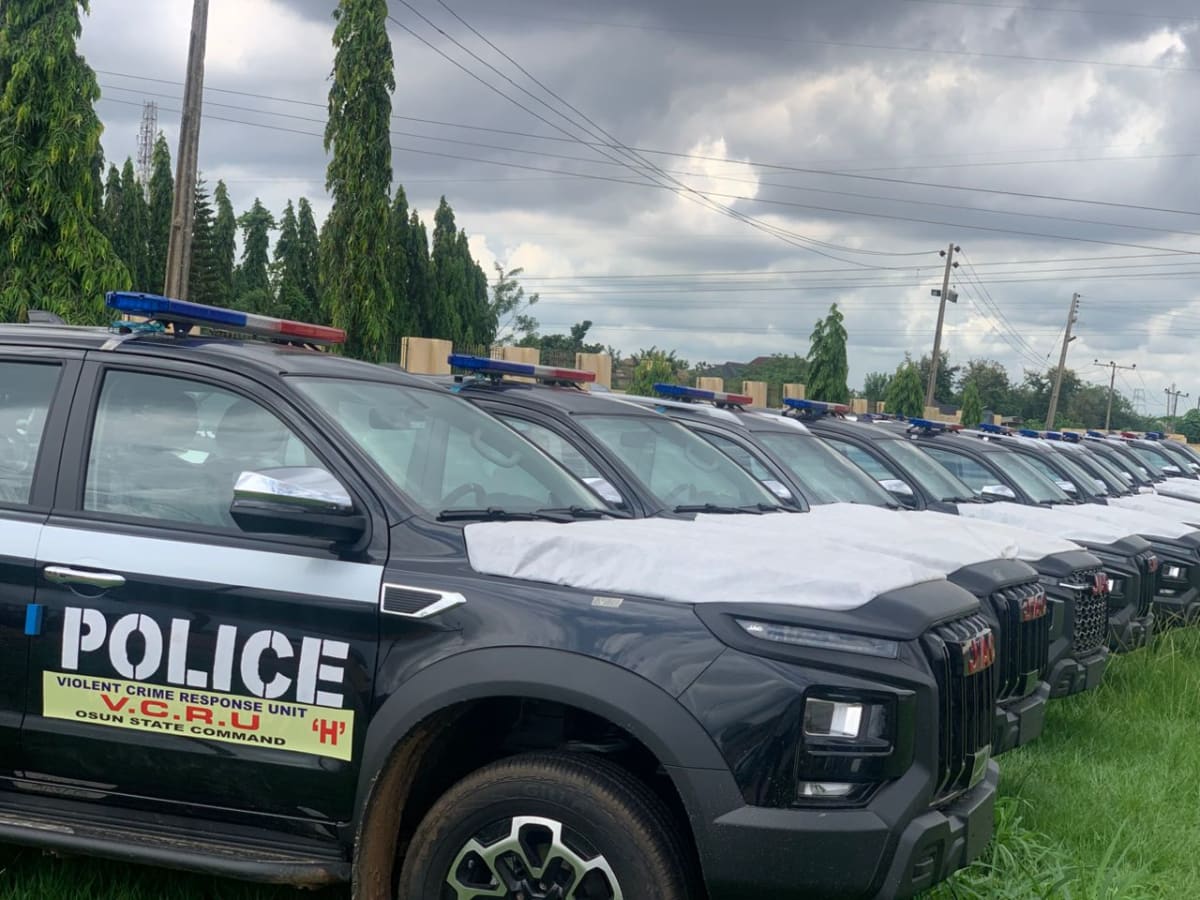
Local governments in Nigeria's Osun State just handed over the first 30 of 90 new patrol vehicles to police and security agencies, with the rest arriving by month's end. It's a powerful example of what happens when local leaders get the resources to protect their communities.
When local governments get real power, they can deliver real change. That's exactly what's happening in Osun State, Nigeria, where town councils just donated 30 patrol vehicles to security agencies with 60 more on the way.
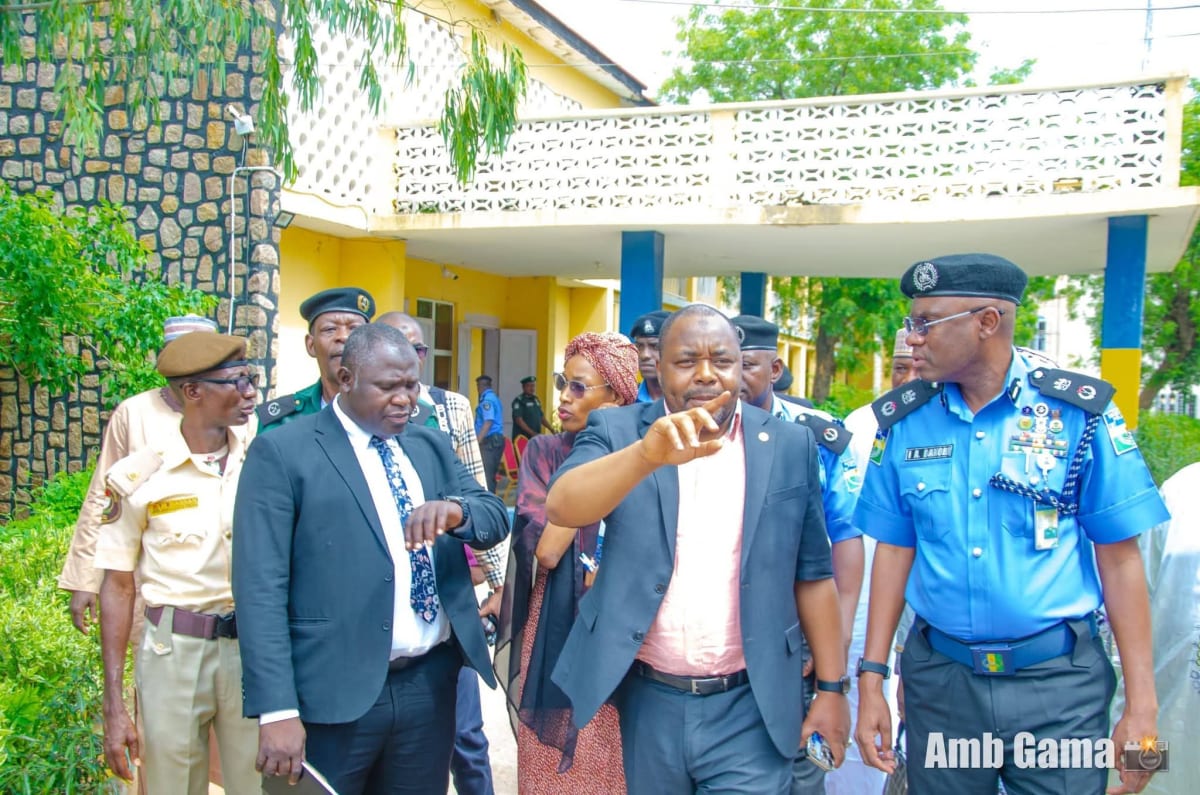
The Association of Local Governments of Nigeria in Osun State handed over pickup trucks to the Nigeria Police Force, Civil Defence Corps, Road Safety Commission, and Immigration Service. By the end of May, they'll have delivered 90 vehicles total, along with additional security equipment.
ALGON Chairman Samuel Idowu credits recent government reforms for making this possible. President Bola Tinubu's administration granted greater autonomy to local governments, giving them the authority to address their communities' specific needs directly.
"Local governments remain the closest tier of government to the people," Idowu explained at the handover ceremony. "We understand the peculiar security challenges within our communities, and we are determined to support all necessary efforts to address them effectively."
The timing couldn't be better. Like many regions worldwide, Nigerian communities face security challenges that require quick response times and local knowledge.
Police Commissioner Ibrahim Gotan says the new vehicles will transform how officers work. "These operational vehicles will significantly enhance our capacity to dominate public spaces, engage in proactive surveillance, speedy response to distress calls, ease patrols, visibility policing, and ultimately improve our overall operational efficiency," he said.
The Ripple Effect
This isn't just about 90 vehicles. It's proof that decentralizing power can lead to faster, more effective solutions tailored to local needs.
When communities control their own budgets and understand their own problems, they can act quickly without waiting for distant bureaucracies. Osun's local governments saw a security gap and filled it within months of gaining autonomy.
Other Nigerian states are watching closely. If this model works, it could reshape how the country approaches everything from infrastructure to healthcare, putting decision making power in the hands of people who live with the consequences.
The message is clear: trust communities to solve their own problems, and they will.
Based on reporting by Vanguard Nigeria
This story was written by BrightWire based on verified news reports.
Spread the positivity!
Share this good news with someone who needs it