Nigerian Traders End Monday Closures, Reopen Markets
After years of losing business to forced Monday closures, traders at Nigeria's Onitsha Main Market are pledging to reopen every Monday in a bold stand for economic freedom. The move could revive commerce across the entire Southeast region.
Thousands of traders at Onitsha Main Market just made a decision that could transform commerce across Southeast Nigeria.
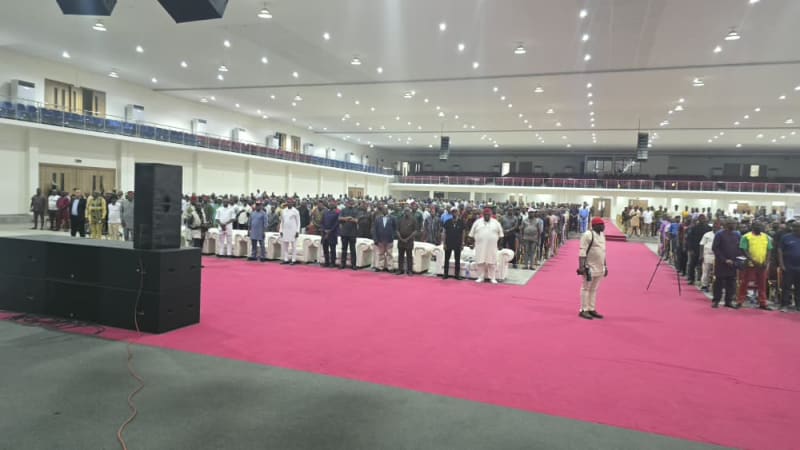
Meeting with Anambra State Governor Chukwuma Soludo on Thursday, market leaders pledged to end the Monday sit-at-home practice that has crippled businesses for years. Starting this Monday, they're opening their doors for full operations.
"We have lost so much fortune since the creation of the Monday sit-at-home in the Southeast region," said Chijioke Okpalugo, Chairman of Onitsha Main Market. The weekly closures have cost traders millions in lost sales and disrupted supply chains throughout the region.
The decision comes after intensive discussions about security and economic survival. Traders had been staying home on Mondays due to safety concerns, but the ongoing closures were destroying livelihoods faster than they could recover.
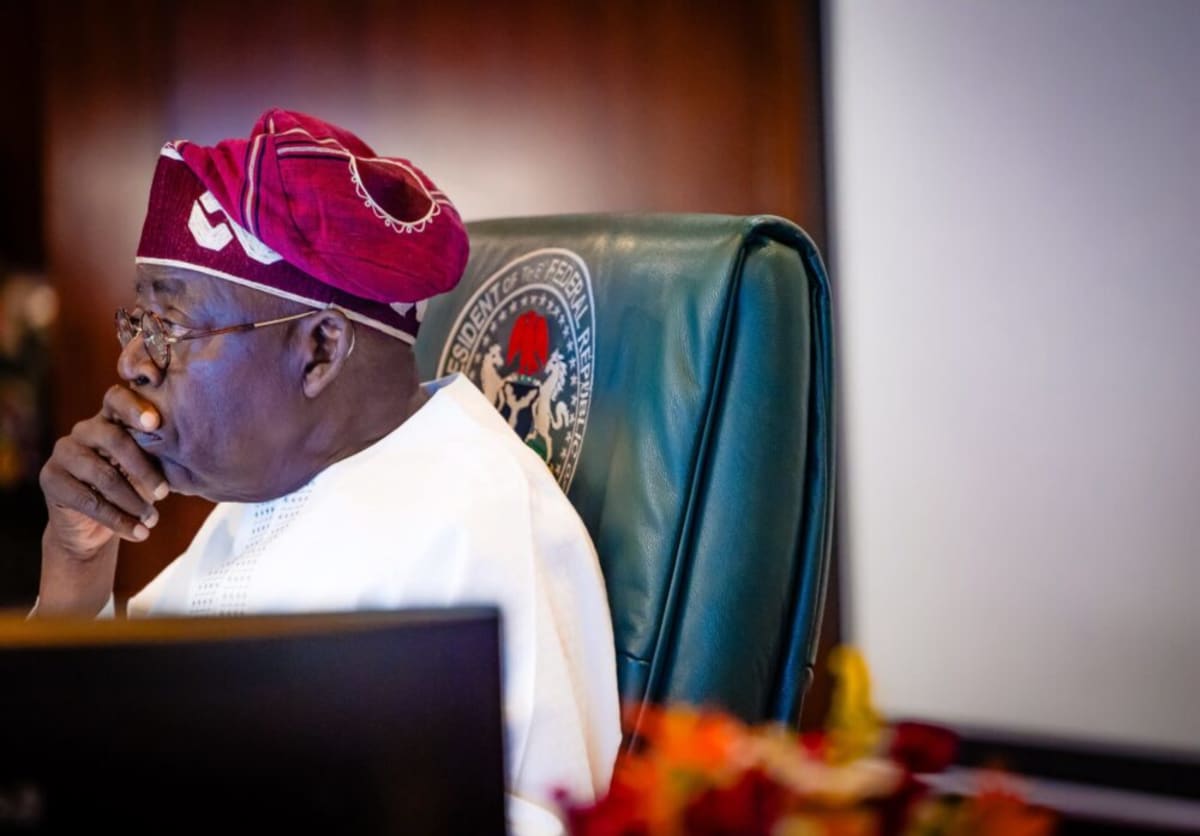
Governor Soludo responded with concrete support. He announced a complete overhaul of security around all markets and promised protection from intimidation. He's also offering traders either a full market renovation or a rebuild into a modern trading hub.
The governor emphasized that the sit-at-home practice no longer serves any legitimate purpose. "Igboland and Anambra will move forward," he declared, noting that business activities must continue regardless of political tensions.
The Ripple Effect
This isn't just about one market. Onitsha Main Market is one of West Africa's largest trading centers, serving millions of buyers from across the continent.
When Onitsha operates at full capacity, the economic benefits spread far beyond Anambra State. Small businesses that rely on supplies from the market can restock regularly. Transportation workers can earn Monday wages again. Families dependent on daily sales can feed their children seven days a week instead of six.
The traders' stand also sends a powerful message about community resilience. By choosing economic survival over fear, they're reclaiming control of their futures and refusing to let external pressures destroy what they've built.
Other markets across the Southeast are watching closely. If Onitsha succeeds in maintaining Monday operations safely, it could trigger a regional revival of commerce that puts thousands of people back to work full-time.
The commitment to "One Anambra" reflects a growing recognition that economic progress requires everyone working together, and that shutting down one day each week only ensures everyone loses.
More Images




Based on reporting by Punch Nigeria
This story was written by BrightWire based on verified news reports.
Spread the positivity!
Share this good news with someone who needs it