
Nigerian Women Patrol Mountains to Save Last 300 Gorillas
Women's conservation groups in Nigeria are protecting critically endangered Cross River gorillas after deciding men had failed to stop illegal hunting and logging. Their patrols and fines are working so well that other villages are copying their model.
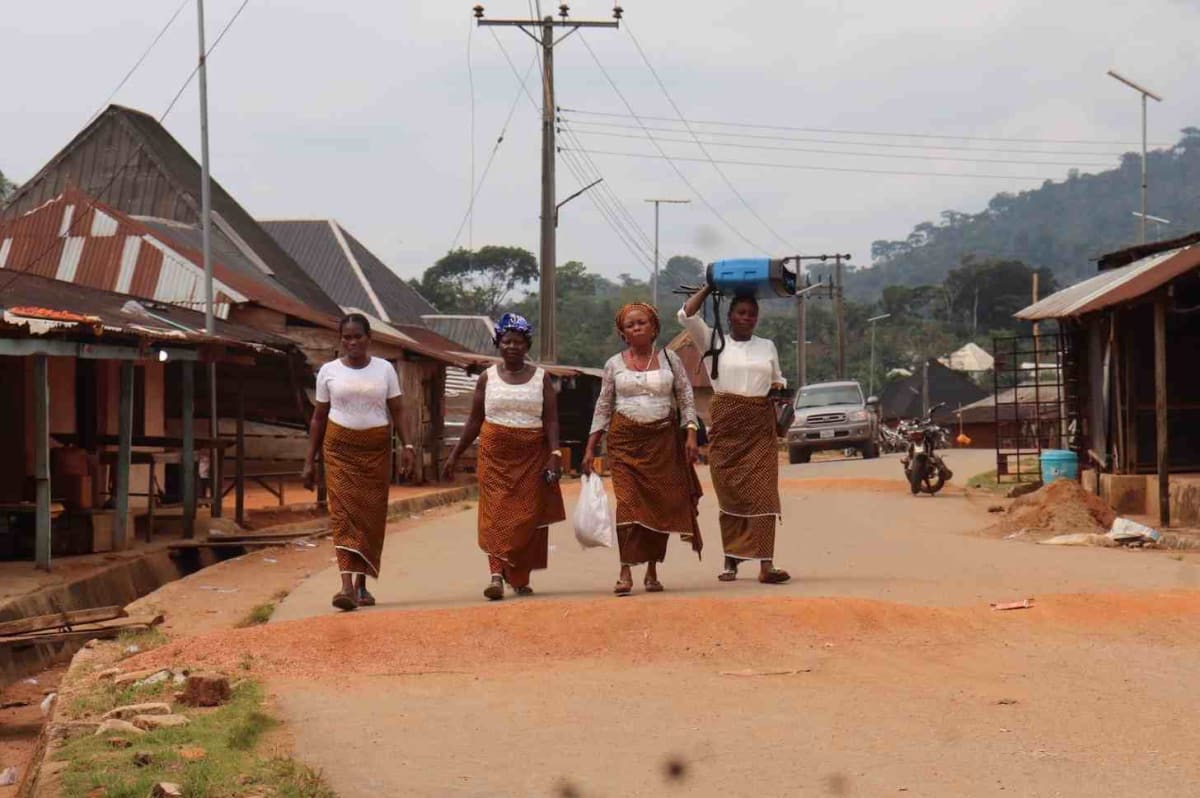
Women in southeastern Nigeria are taking matters into their own hands to save some of the world's rarest gorillas. After watching illegal hunting and logging destroy their forests for years, they formed patrol groups that are actually stopping the destruction.
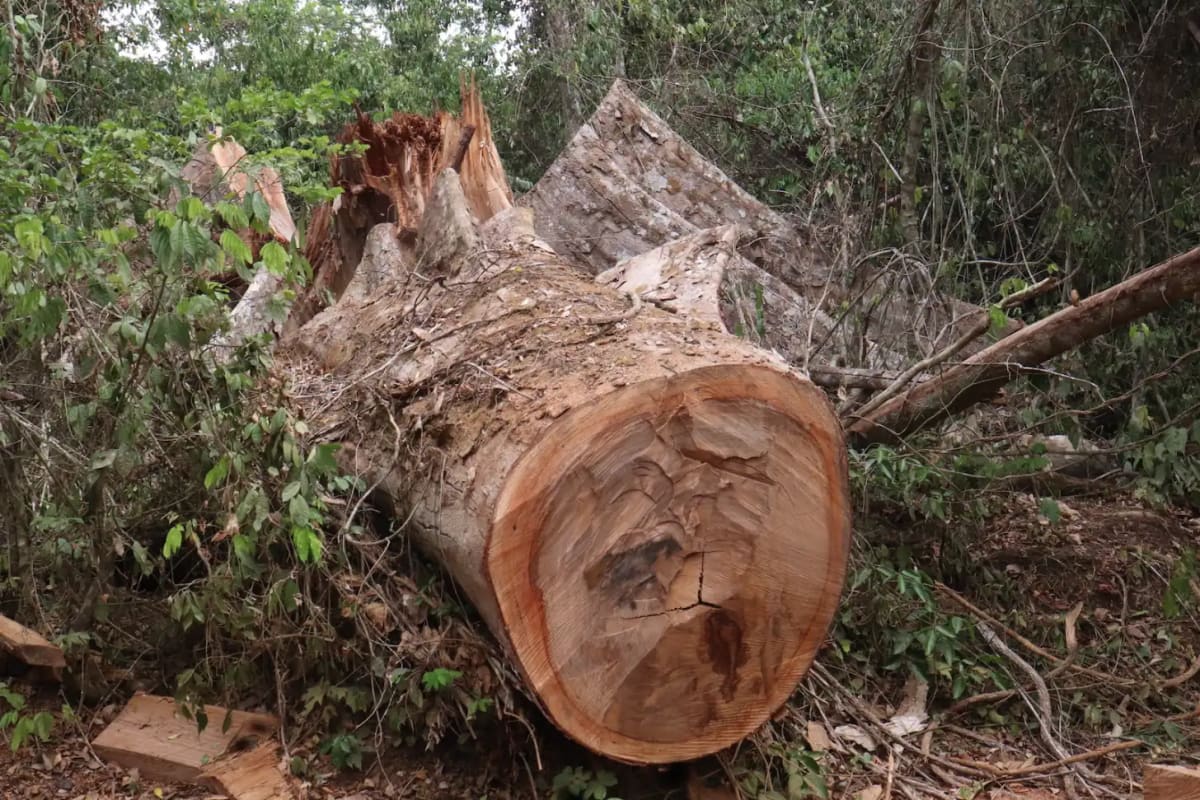
The Afi Mountain Wildlife Sanctuary is home to about 100 of the world's last 300 Cross River gorillas. Sixteen villages surround this 39-square-mile protected area, and for years, men from these communities hunted animals, cut down trees, and poisoned rivers despite knowing it threatened the gorillas and chimpanzees.
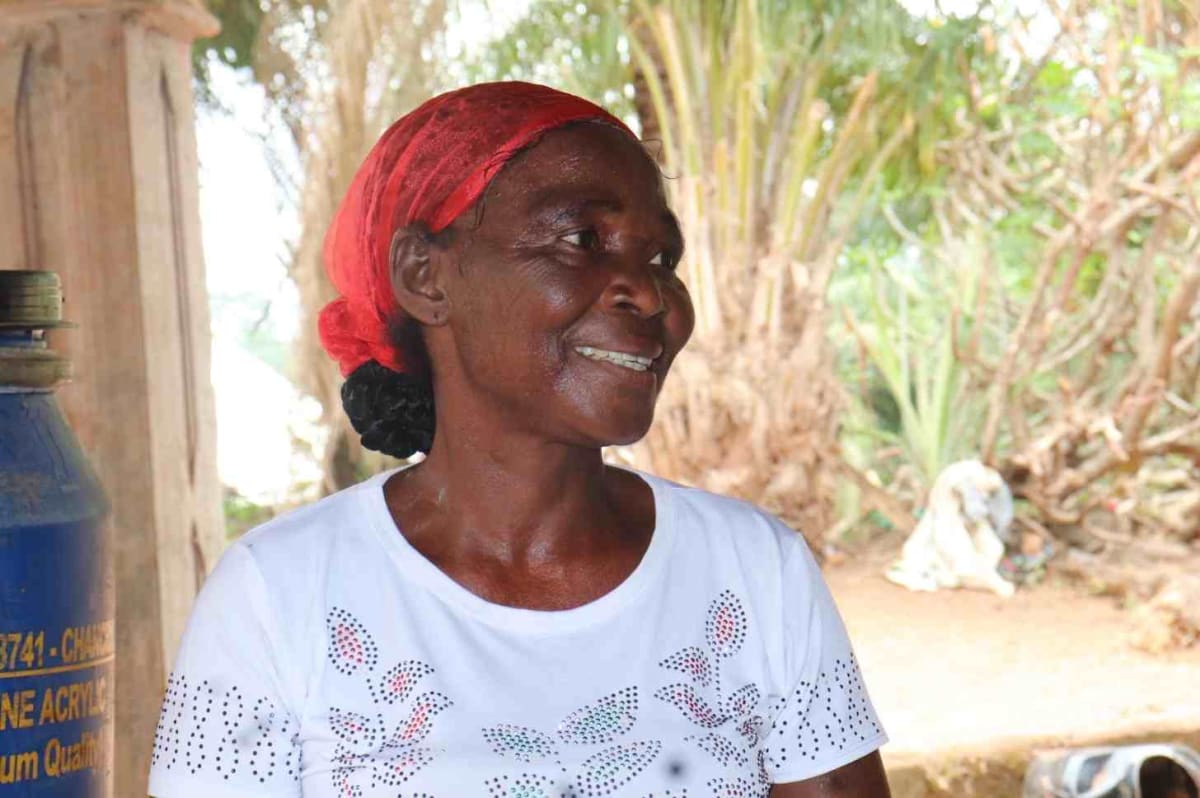
That changed in 2023 when 42-year-old Ofre Mary founded the Ulom Women's Conservation Collective. "Our men have failed to stop the threats," Mary says. "That's why women decided to take a stand."
The women meet twice monthly to review wildlife laws and plan patrols. They track every gunshot, every chainsaw sound, and every suspicious smoke column rising from the mountains. When they find violators, they investigate and bring them before traditional councils where punishments are decided.
At a recent meeting, the women raised the fine for river poisoning to 500,000 naira (about $356). The announcement drew cheers from the community gathered to hear their decision.
Their approach combines surprise and structure. The patrols happen at random times, including midnight and dawn, so poachers never know when the women might appear. Members fund everything through their own dues, keeping the initiative independent and accountable.
"In the past, we could barely sleep due to the sounds of chainsaws logging in our forests," says Akan Grace, the group's public relations officer. "Even by 12 a.m., midnight, the sounds of engines would be ringing from loggers inside the forest." Now those sounds have largely stopped.
The Ripple Effect
The success in Ulom has inspired women in neighboring villages to form their own conservation collectives. What started as one group of determined women has become a movement across multiple communities surrounding the sanctuary.
The women's leadership brings something new to conservation in these villages: impartiality. Because women aren't typically involved in hunting or logging, community members say they enforce rules without the favoritism that plagued previous efforts. When a man's brother or cousin got caught hunting, he might look the other way. The women don't.
Beyond saving gorillas, the collectives are protecting entire ecosystems. They're stopping wildfires, preventing tree cutting, and keeping rivers clean for everyone who depends on them. The women recall childhood memories of abundant chimpanzee calls and bird songs, and they're determined to preserve what remains.
These patrols represent more than environmental protection. They show what's possible when communities empower women to lead conservation efforts, and when people decide their natural heritage matters more than short-term profits.
The mountains around Ulom are green again, the chainsaws have gone quiet, and the gorillas have a fighting chance.
More Images

Based on reporting by Good Good Good
This story was written by BrightWire based on verified news reports.
Spread the positivity!
Share this good news with someone who needs it