Nigerian Women Stop Illegal Logging, Save Rare Gorillas
In Nigeria's Afi Mountain Wildlife Sanctuary, women's conservation groups are succeeding where men failed, protecting critically endangered Cross River gorillas through patrols, investigations, and even threatening nude protests. The animals are coming back.
Deep in southeastern Nigeria, women are taking midnight patrols through the forest to save some of the world's rarest primates, and it's working.
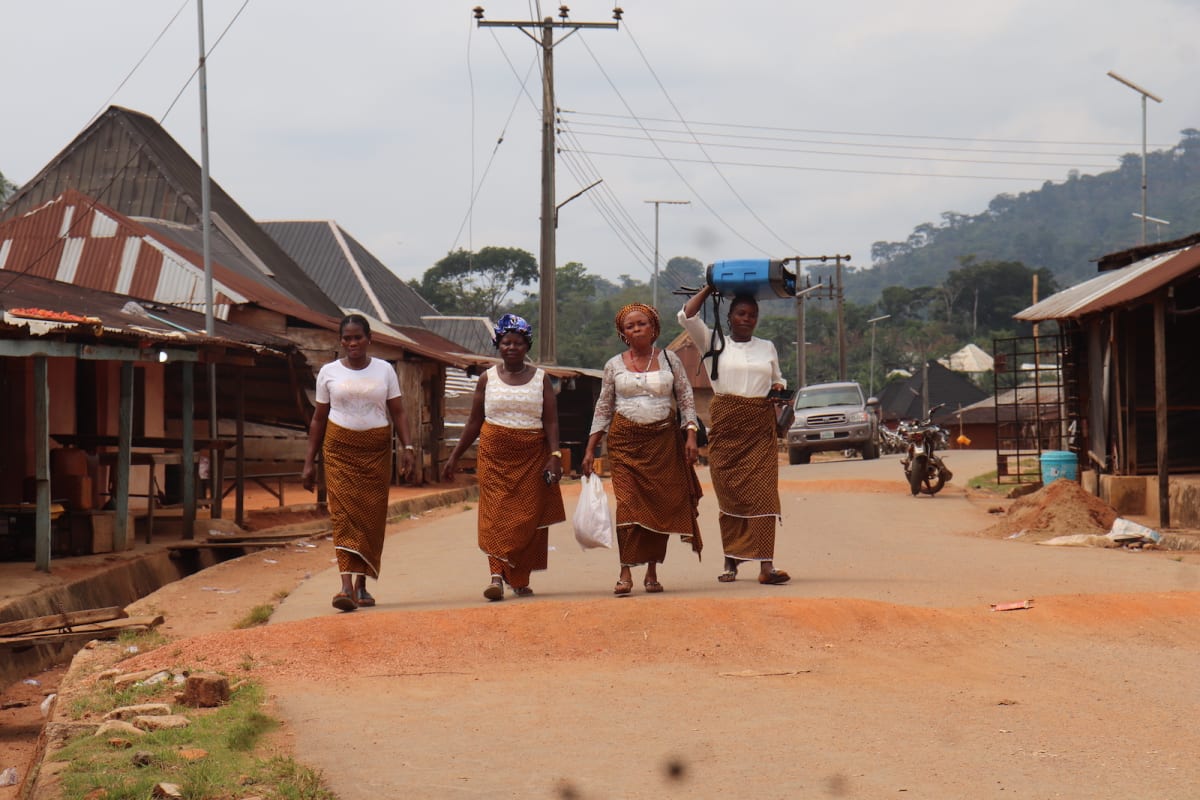
Around Afi Mountain Wildlife Sanctuary, women's conservation collectives have become the last line of defense for the critically endangered Cross River gorilla and endangered Nigeria-Cameroon chimpanzee. These groups formed in villages like Ulom, Katabang, and Buanchor after traditional male-led governance couldn't stop illegal hunting, logging, and river pollution.
The problem was simple but uncomfortable. Men were often the ones hunting, logging, and polluting rivers, so they lacked the credibility to enforce the rules meant to stop those activities.
"Our men have failed to stop the threats," Ofre Mary, founder of the Ulom Women's Conservation Collective, told Mongabay. "That's why women decided to take a stand."
The women now conduct surprise patrols at dawn and late at night, tracking signs of hunting, wildfires, and illegal logging throughout the 39-square-mile sanctuary. They investigate wildlife crimes alongside state forestry officers and local nonprofits.
In 2024, women in Ulom and Buanchor stopped illegal timber deals by threatening nude protests, a powerful form of resistance in their culture. The tactic worked. Local leaders refunded timber dealers and canceled the contracts.
The collectives also patrol the Afi River to prevent river poisoning, a destructive fishing method that contaminates water for both people and wildlife. They've even developed manual techniques to scoop contaminated water from dammed river sections to restore safety.
Beyond enforcement, the women run campaigns to persuade young people away from hunting and timber trade toward conservation work.
The Ripple Effect
The transformation is already visible. In communities where these groups operate, river pollution has nearly disappeared and illegal logging faces strong local resistance.
"The animals are returning," said Osang Sarah from the Katabang collective. "The forest is gradually regenerating and thick. Recently, we started hearing the calls of chimpanzees once more."
The movement is spreading fast. More than half of the 16 communities responsible for protecting the Afi region are now launching their own women's conservation initiatives.
The collectives still lack basic equipment like rain boots and GPS units, and they struggle to rent motorcycles for patrols. But their model proves that when communities empower those with the most credibility and commitment, even critically endangered species can bounce back.
The forest is listening to new voices now, and the gorillas are coming home.
More Images


Based on reporting by Mongabay
This story was written by BrightWire based on verified news reports.
Spread the positivity!
Share this good news with someone who needs it