Nigeria's Abia State: Dirtiest to Top 3 Cleanest in 3 Years
A Nigerian state once known as the country's dirtiest has transformed into one of the three cleanest in just three years. Governor Alex Otti's cleanup initiative removed 80,000 tonnes of waste and rebuilt an entire environmental agency from the ground up.
Imagine waste piles as tall as a four-story building lining your city streets. That was Abia State, Nigeria in 2023, before a bold leader decided enough was enough.
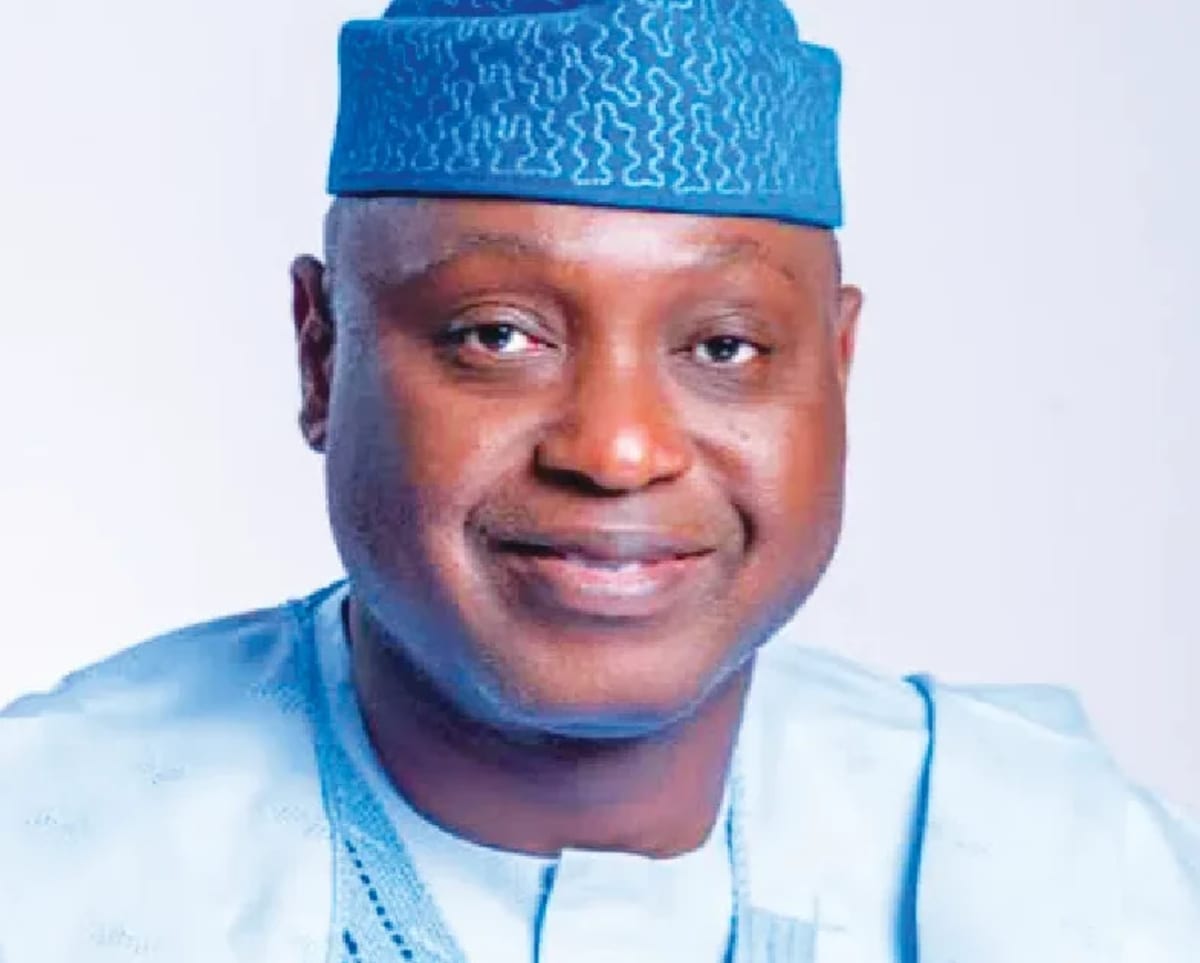
Governor Alex Otti made sanitation his top priority the day he took office. Within his first month, he declared a state of emergency on waste management and assembled a task force to tackle the crisis head-on.
The numbers tell an incredible story. In just four weeks, crews evacuated over 4,000 truckloads of garbage from the cities of Aba and Umuahia. That's more than 80,000 tonnes of abandoned waste that had been rotting in communities for years.
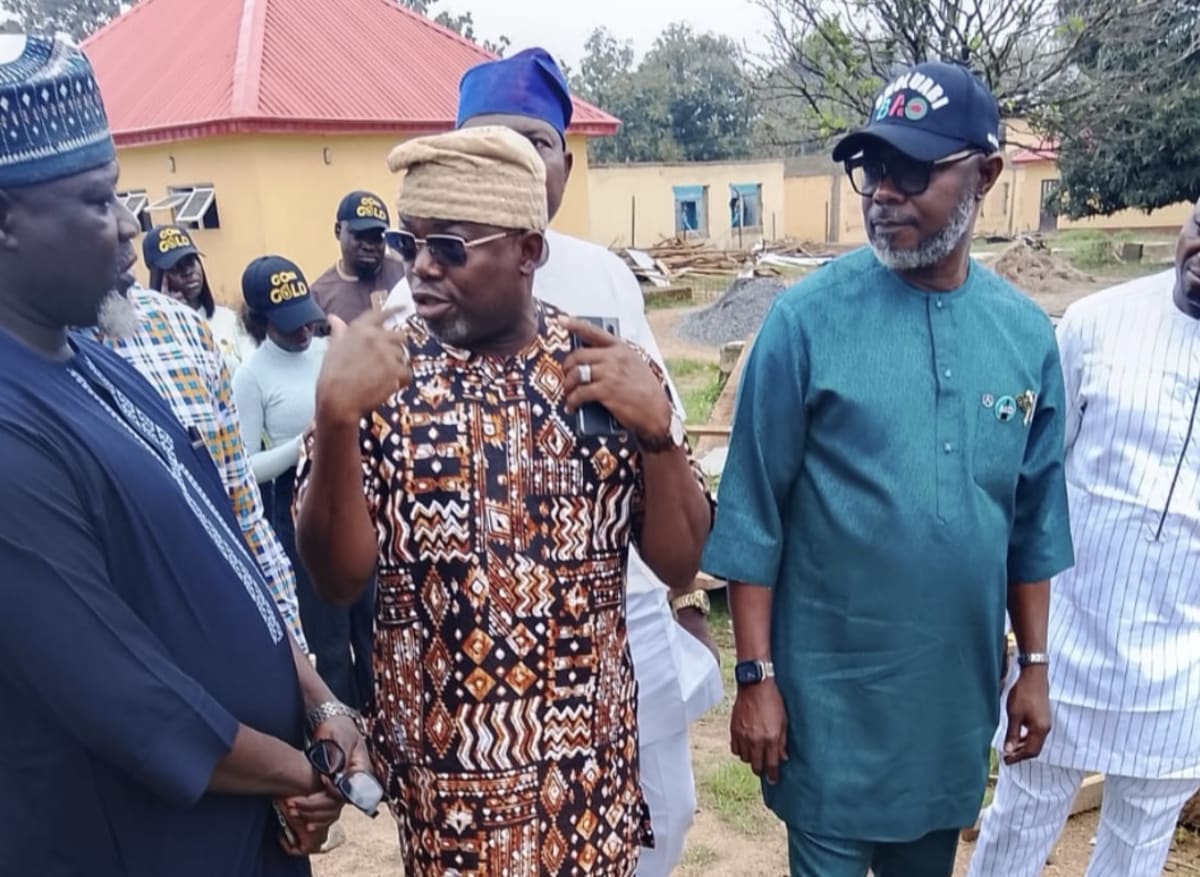
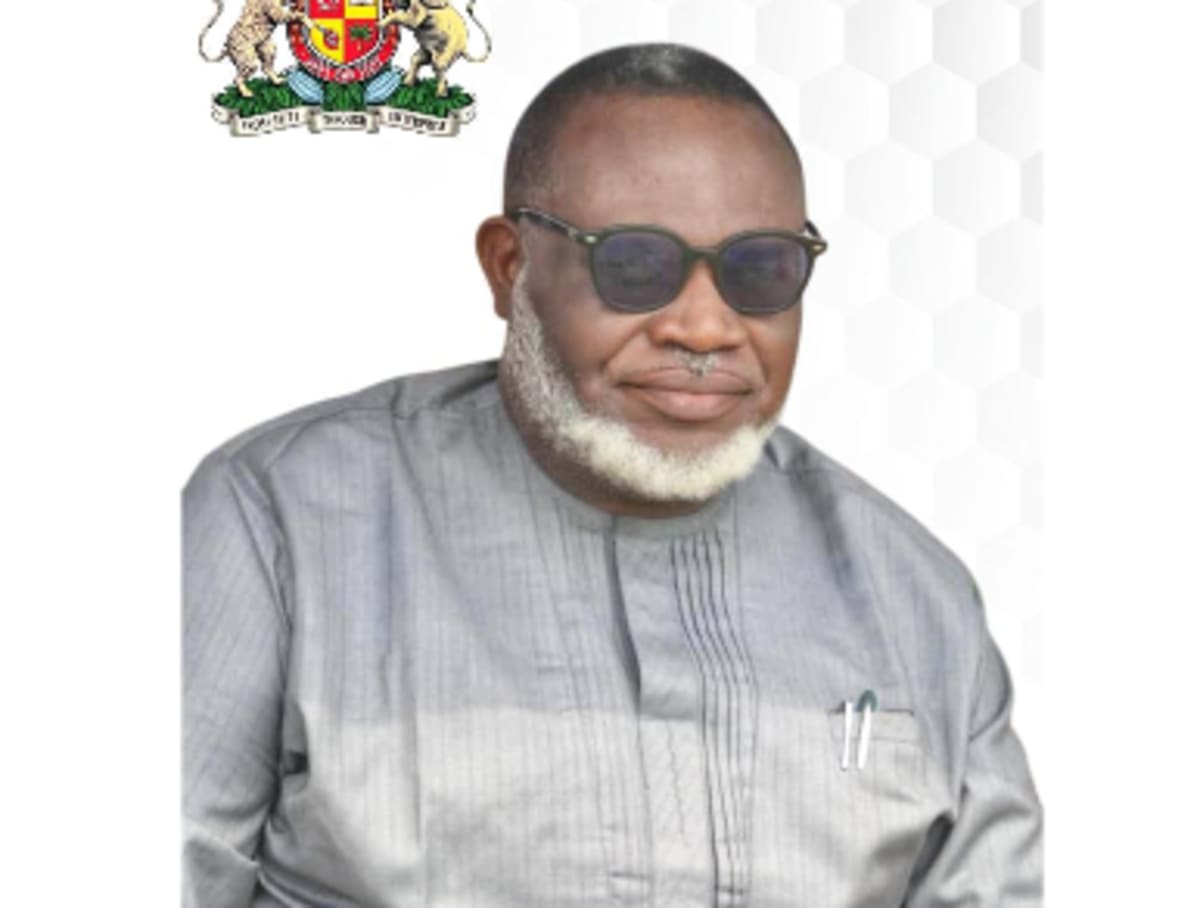
"Abia had gained notoriety as one of Nigeria's dirtiest states," recalls Hon. Ogbonnia Okereke, who led the initial cleanup and now manages the Abia State Environmental Protection Agency. "A guest of the government openly declared at a public function that Abia was smelling."
The transformation didn't happen easily. Opposition groups tried to sabotage the effort by discouraging truck owners from helping and convincing communities to deny access to dump sites. But with government backing and determination, the team pushed through every obstacle.
Today, Abia State operates a fleet of over 20 heavy-duty trucks and 30 collection vans across all 17 local government areas. The agency employs more than 4,000 sanitation workers, up from serving just two major towns three years ago. Last year alone, they collected 650,000 tonnes of waste compared to 200,000 tonnes in 2022.
The Ripple Effect
The cleanup sparked an entire environmental revolution. Abia now hosts four plastic recycling facilities converting bottles into reusable materials. Plans are underway for biogas plants that will transform organic waste into fuel and fertilizer.
The state recently partnered with a company to develop carbon and plastic credits, turning better waste practices into financial benefits for communities. Starting in July, Abia will launch house-to-house waste collection in planned neighborhoods, bringing modern sanitation standards to everyday life.
Workers who once felt neglected now take pride in their work. "We simply demanded commitment and discipline," Okereke explains. "People naturally respond when they feel valued and included."
The long-term vision is even bigger: a zero-waste system where virtually everything gets recycled into something useful. From a place where visitors complained about the smell to a national model for clean cities, Abia proves that determined leadership and community cooperation can transform any environment.
Based on reporting by Vanguard Nigeria
This story was written by BrightWire based on verified news reports.
Spread the positivity!
Share this good news with someone who needs it