Nigeria's Festac Town Gets Major Road Upgrade After Years
After decades of potholes and flooding, Nigeria's Festac Town is finally seeing its crumbling roads rebuilt by a three-government partnership. The 18-month project is bringing new drainage systems, smooth asphalt, and solar streetlights to hundreds of thousands of daily commuters.
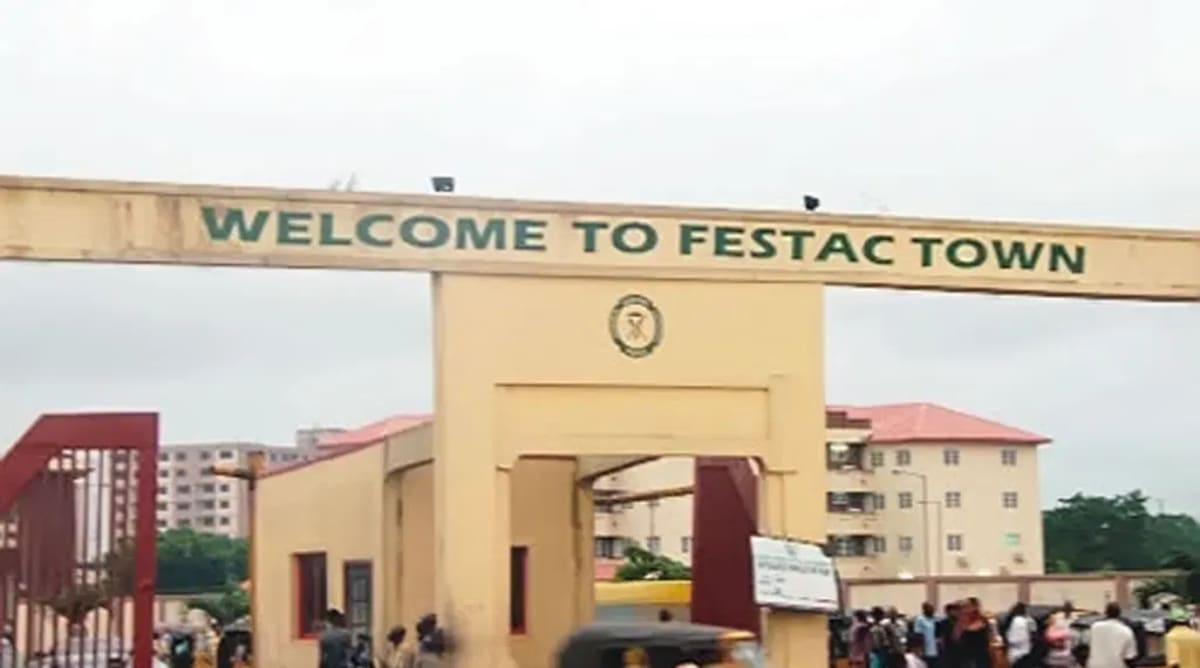
After years of dodging potholes and floodwaters, residents of Lagos's Festac Town are watching their neighborhood roads transform under a massive reconstruction project.
The Federal Housing Authority, Lagos State Government, and Amuwo-Odofin Local Government joined forces to tackle decades of infrastructure decay. Their 18-month plan targets major arteries including the 3.2-kilometer stretch of 2nd Avenue, plus sections of 7th Avenue and Agboju Market Road.
The timing couldn't be better. Festac Town's roads serve hundreds of thousands of people daily, connecting businesses, schools, and healthcare facilities across Lagos. Years of poor maintenance, population growth, and government disputes left the network riddled with potholes and drainage problems that triggered recurring floods.
Workers are now excavating damaged sections, rebuilding drainage channels, and laying fresh asphalt. The project already completed First Gate and 1st Avenue, where solar-powered streetlights now illuminate the streets. Fifth Avenue got a full makeover too, and contractors are moving steadily through the remaining phases.
Commercial bus driver Chinedu Okafor watches the progress with relief. "We spent more time navigating potholes than driving," he said. "The temporary inconvenience is worth it if the work is completed on schedule."
Resident Chioma Dike sees business potential returning. Many people avoided certain roads entirely during rainy season because of their terrible condition. Now she's watching daily as the crews make visible progress.
The Ripple Effect
The transformation reaches beyond smoother commutes. Better drainage means reduced flooding during Lagos's intense rainy seasons. Improved roads support economic activity as businesses become more accessible. Safer streets mean parents worry less about school runs, and ambulances can reach hospitals faster.
The solar streetlights installed on completed sections bring another win. They cut energy costs while making neighborhoods safer at night. It's infrastructure that keeps working long after the construction crews pack up.
Traffic moves slowly now around barriers and diversions, but residents say they'll gladly endure the temporary headaches. They're watching contractors maintain steady momentum, hopeful the 18-month timeline holds. After years of neglect, progress you can actually see feels like a victory worth celebrating.
Based on reporting by Vanguard Nigeria
This story was written by BrightWire based on verified news reports.
Spread the positivity!
Share this good news with someone who needs it