Nigeria's New Poverty System Reaches 8.3M Families
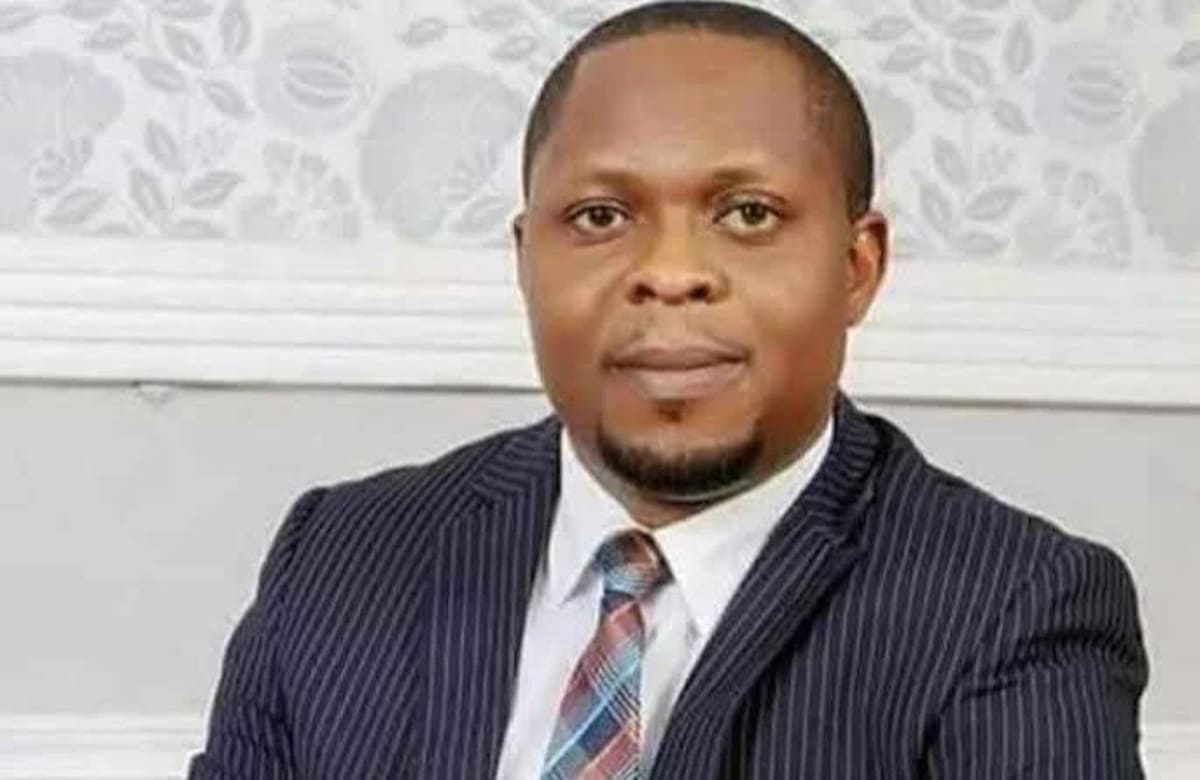
Nigeria is replacing emergency handouts with a smart system that helps families escape poverty for good. Under Dr. Bernard Doro's leadership, the country now tracks 8.3 million households and plans to reach 15 million with jobs, not just aid.
Nigeria just proved that fighting poverty isn't about giving more handouts. It's about building smarter systems that help families stand on their own.
For decades, Nigeria's humanitarian ministry worked like a fire station, rushing to emergencies with temporary relief that never lasted. Over 63% of Nigerians faced deep poverty, and aid programs often missed the people who needed help most or accidentally helped the same families twice while others got nothing.
Dr. Bernard Doro saw the problem clearly when he took over the Ministry of Humanitarian Affairs in late 2025. The country didn't lack money or compassion. It lacked a way to see who needed help and how to move them from survival to success.
His answer was the One Humanitarian, One Poverty Response System, launched in March 2026. The program uses Nigeria's national ID system to create a digital register of every person receiving aid, ensuring real people get real help without duplication or fraud.
The Poverty Intelligence Lab takes it further, using data to understand not just who is poor, but why and where. Instead of guessing, officials now see patterns and can target solutions that actually work.
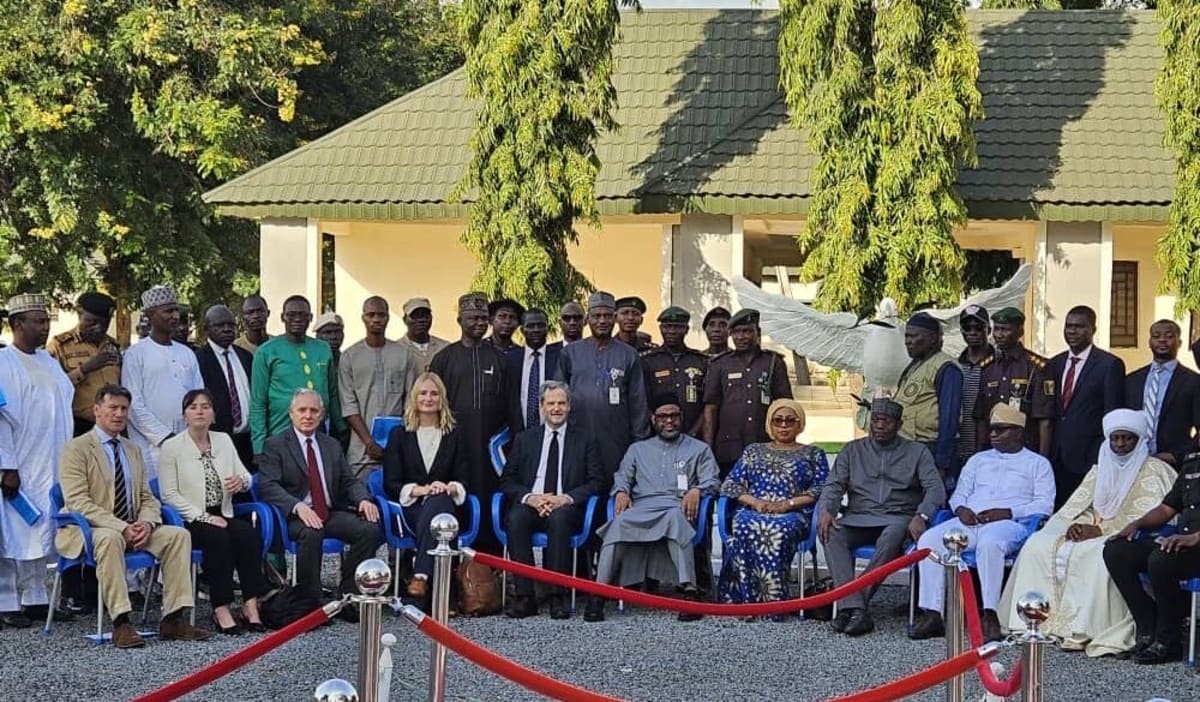
In January 2026, something remarkable happened in Calabar. For the first time ever, federal, state, and local governments stopped competing and started collaborating through the National Council on Humanitarian Affairs and Poverty Reduction. Every level of government now works from the same playbook.
The Ripple Effect
The system already reaches 8.3 million households, with plans to expand to 15 million families. That means tens of millions of Nigerians moving from emergency relief to stable jobs and income.
In May 2026, Dr. Doro brought Nigeria's model to the United Nations in New York. At the International Migration Review Forum, he shared how linking humanitarian aid to social protection helps displaced people and migrants rebuild their lives instead of staying dependent.
He also called for a Humanitarian Trust Fund, arguing that governments alone can't solve poverty at this scale. Private companies and international donors need to join the fight with creative partnerships that create jobs, not just distribute food.
What makes this approach revolutionary is simple: it treats poor families as future success stories, not permanent charity cases. Every data point represents a real person who deserves a path forward, not just a handout to get through today.
Nigeria is proving that smart systems combined with genuine compassion can rewrite what's possible in the fight against poverty.
Based on reporting by Vanguard Nigeria
This story was written by BrightWire based on verified news reports.
Spread the positivity!
Share this good news with someone who needs it