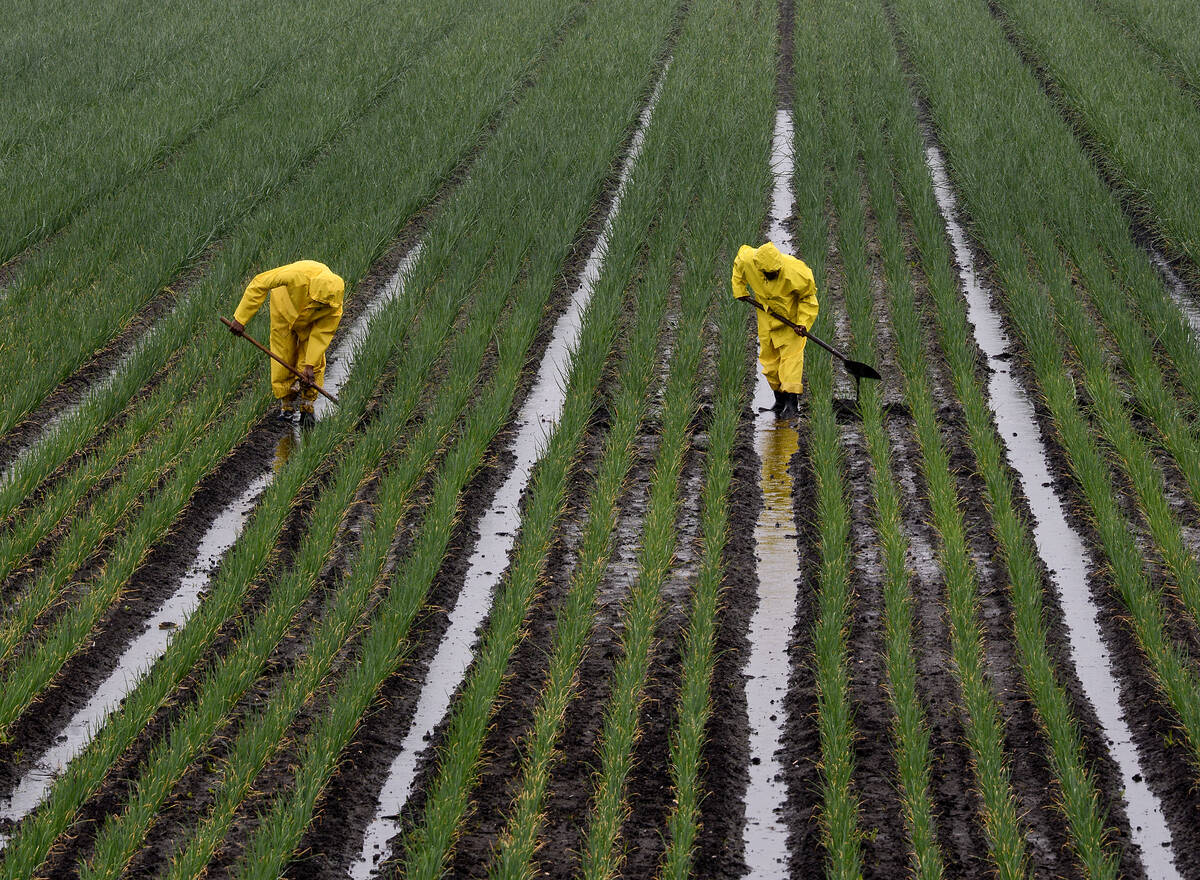
Ontario's Greenbelt Adds $3B Annually to Economy
A new report reveals Ontario's Greenbelt isn't blocking growth—it's fueling it, generating $3 billion annually while protecting farmland that feeds millions. Researchers say the protected land is actually a strategic economic asset that secures jobs, food supply, and Ontario's future.
Ontario loses 319 acres of farmland every single day to development, but one protected region is proving that preservation and prosperity can grow together.
The Greenbelt, a two-million-acre band of protected farmland around Toronto, contributes roughly $3 billion to Ontario's economy each year, according to a new report from the Canadian Agri-Food Policy Institute. That's money that couldn't be recreated if those lands disappeared under pavement.
Margaret Zafiriou, the report's author and senior research fellow, says the Greenbelt has become one of North America's most important "food industry clusters." It combines prime farmland with food processing facilities, major customer markets, transport infrastructure, and research institutions all in one region.
The Holland Marsh and Niagara fruit regions are perfect examples. These relatively small areas generate billions of dollars annually and create thousands of jobs growing crops that can't be produced anywhere else in Ontario.
Stephen Duff, a farmer and chief economist with Ontario's Ministry of Agriculture, emphasized that not all farmland is equal. "Most farmland can grow some of the larger commodities we have," he said, but using top-tier land for basic crops isn't the smartest economic choice.
The Greenbelt sits next to Canada's largest consumer market and holds most of Ontario's food processing capacity. During times of supply chain disruptions and trade uncertainty, that proximity matters more than ever.
The Ripple Effect
The protection model is doing more than preserving soil. It's safeguarding unique growing conditions that took thousands of years to develop, like the specific slopes and microclimates needed for Ontario peaches.
Gordon Stock from Ontario Fruit and Vegetable Growers pointed out that even small variations in field topography create agricultural advantages. "You're not going to be growing peach trees in the north," he said.
The Greenbelt Foundation's CEO Edward McDonnell noted that these "small" but strategic farming areas are critical to domestic food security. When global supply chains falter, local production becomes invaluable.
Zafiriou hopes the report will shift how policymakers view agriculture within the broader economic system. Holding governments accountable for long-term thinking over short-term development gains will be crucial, especially at the municipal level.
The message is clear: protecting farmland isn't about blocking progress—it's about building resilience, economic strength, and food security that will last for generations.
Based on reporting by Google: economic growth report
This story was written by BrightWire based on verified news reports.
Spread the positivity!
Share this good news with someone who needs it