Nigeria's North Could Power Up With 1% of Farmland
Two of Nigeria's most populous states could meet their entire 2050 solar energy needs using less than 1% of existing cropland, thanks to a breakthrough approach that combines farming with solar panels. New research reveals northern Nigeria's water-stressed regions are perfect for agrivoltaics, a system where crops grow beneath solar panels.
Imagine powering millions of homes while actually helping crops grow better in the same space.
That's the promise researchers have just uncovered for Nigeria. A team from universities across the United States mapped the entire country to find where agrivoltaics could work best. The results are stunning for Africa's most populous nation.
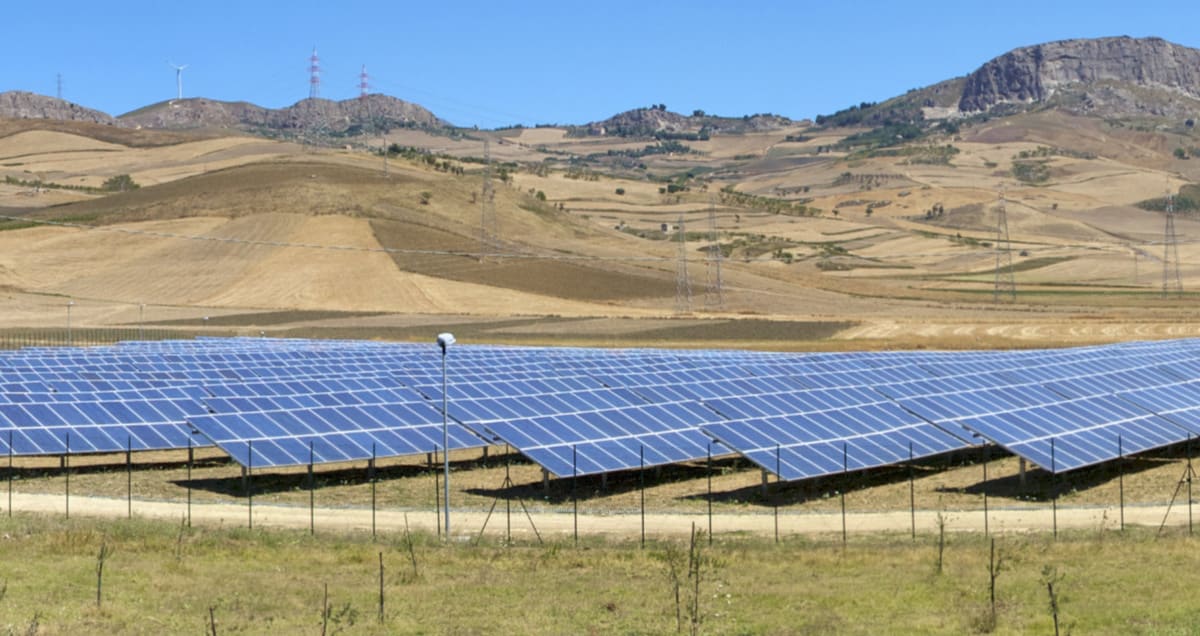
Agrivoltaics places solar panels above farmland, allowing crops to grow underneath. The panels provide partial shade that reduces heat stress and water evaporation, especially in hot, dry regions. It's a win for both energy and agriculture.
Northern Nigeria emerged as the clear champion. States like Kano and Katsina, home to millions of people, scored highest on the suitability index. These areas have abundant cropland, intense sunshine, dry conditions, and desperately need reliable electricity.
The math is remarkable. Kano and Katsina could meet their projected 2050 solar targets using less than 1% of existing farmland for agrivoltaics. Meanwhile, southern states would need between 6% to 19% of their cropland to hit the same goals.
Rafael Almeida, the study's lead author from Indiana University, explained why this matters so much. Northern states are generally more energy poor, with many communities still lacking reliable electricity. The overlap of high solar potential with areas that need power most creates a unique opportunity.
Southern Nigeria, including areas near the capital Lagos, showed lower suitability. The region's humid forest cover, weaker solar potential, and less extensive cropland make it a tougher fit for this technology.
The International Renewable Energy Agency estimates off-grid solar could add 75 gigawatts to Nigeria's power sector by 2050. Agrivoltaics could deliver much of that while supporting farmers at the same time.
The Ripple Effect
This discovery could transform rural communities across northern Nigeria. Farmers could generate income from both crops and clean energy on the same land. Communities could gain ownership of their own power systems instead of waiting for distant grid connections.
The benefits extend beyond electricity. In water-stressed regions, the shade from solar panels helps crops survive extreme heat. Farmers use less water while growing food and generating power simultaneously.
Almeida suggests starting with demonstration projects on working farms to show how local crops respond. Incentives to reduce upfront costs would help farmers and communities get started. Policies that recognize agrivoltaics as both energy and agriculture strategy could accelerate adoption.
The research provides a roadmap for where to focus efforts first. Developers and policymakers now have clear data showing which regions offer the greatest potential for success.
For communities that have waited generations for reliable electricity, the answer might be growing right above their fields.
Based on reporting by PV Magazine
This story was written by BrightWire based on verified news reports.
Spread the positivity!
Share this good news with someone who needs it