Nigeria's Private Sector Tackles $1B Marine Litter Problem
Private companies in Nigeria are joining forces to combat marine pollution that costs the country $1 billion yearly and threatens millions of coastal livelihoods. Their efforts coincide with World Ocean Day, bringing new hope to the nation's 853 kilometers of coastline.
Private sector leaders in Nigeria are stepping up to tackle one of the country's most urgent environmental challenges: marine litter choking its waterways and threatening a thriving blue economy worth billions.
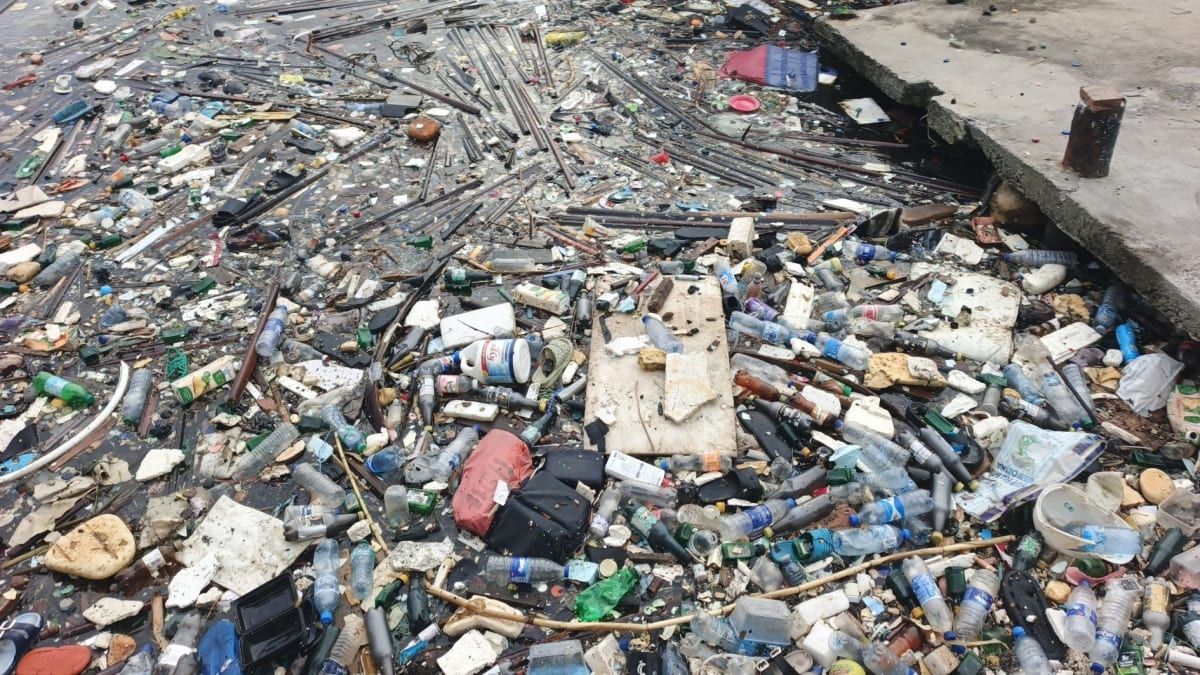
The push comes as Nigeria marks World Ocean Day this week, with new collective action targeting the plastic waste, abandoned fishing nets, and debris that have clogged the nation's 853 kilometers of coastline. The country loses an estimated $1 billion yearly to poor waste management and marine pollution, according to regional environmental coordinators.
Nigeria generates over 2.5 million tonnes of plastic waste each year, with most ending up in rivers, lagoons, and ultimately the Atlantic Ocean. Only a small fraction gets recycled, leaving fishing communities, shipping operators, and coastal tourism facing mounting operational challenges.
The impact hits home for millions who depend on waterways for their livelihoods. Ferry operators struggle with debris tangling boat engines mid-journey, while fisheries report declining catches as marine habitats degrade from floating waste.
Sarat Braimah, Lagos Area Manager for the National Inland Waterways Authority, says the consequences of improper waste disposal are immediate. Floating debris chokes marine life, degrades water quality, and introduces toxins into the food chain that feeds coastal communities.
But the problem has sparked innovative responses from Nigeria's business community. Private operators are launching cleanup initiatives, investing in recycling infrastructure, and partnering with authorities to address the waste management gaps fueling the crisis.
The Ripple Effect
The timing connects Nigeria's cleanup efforts to a global movement. World Ocean Day reflects the United Nations' Sustainable Development Goal 14, which calls for conservation and sustainable use of marine resources as essential to human prosperity.
Nigeria's coastal cleanup momentum matters beyond its borders. The country sits on the Gulf of Guinea, a critical maritime corridor for West African trade and biodiversity.
As private sector commitment grows, so does awareness among Lagos residents and traders. The shift from indiscriminate dumping toward responsible waste disposal represents a cultural change that environmental advocates say is long overdue but finally gaining traction.
The blue economy sector holds immense promise for Nigeria's economic growth through fishing, shipping, tourism, and trade. Maritime commerce already contributes substantially to national revenue, and protecting that investment has become a business imperative for forward-thinking companies.
New recycling facilities and improved waste collection systems are beginning to intercept plastic before it reaches drainage channels that carry debris into waterways during rainy seasons. Each tonne of waste diverted represents cleaner water, healthier fish populations, and safer navigation for the small boats that transport coastal communities.
The challenge remains significant, but Nigeria's private sector mobilization shows that economic interests and environmental protection can align when ocean health directly impacts bottom lines and community wellbeing.
Private operators now recognize that investing in marine cleanup isn't just good environmental stewardship—it's essential for preserving the waterways that millions depend on for transportation, food, and income every single day.
More Images


Based on reporting by Guardian Nigeria
This story was written by BrightWire based on verified news reports.
Spread the positivity!
Share this good news with someone who needs it