Nightjars Double in South Downs After Conservation Win
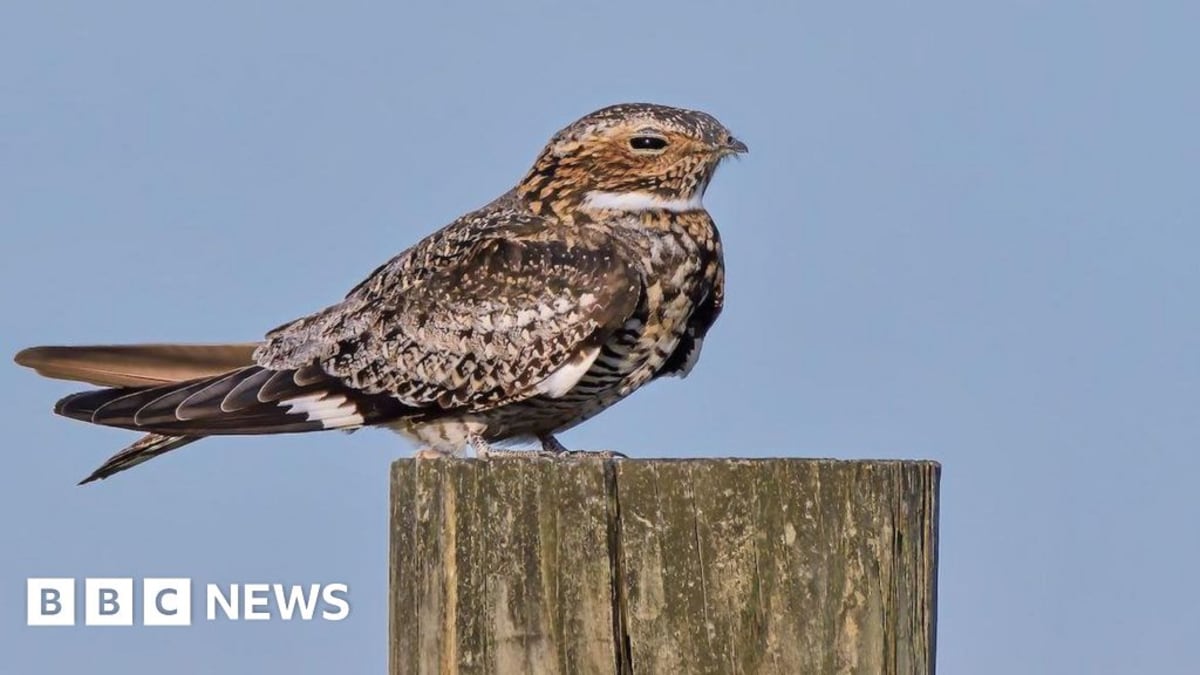
A rare bird once feared near extinction has made an incredible comeback in England's South Downs National Park, with numbers doubling in just five years. The nightjar's recovery shows what's possible when communities work together to protect wildlife.
The nightjar, a rare and mysterious bird that travels 4,000 miles from Africa each spring, is thriving again in England's South Downs National Park.
Last year's ecological survey recorded 78 of these elusive birds within the park, double the number from five years ago. The survey also found 109 nightjar territories in the lowland heaths of east Hampshire, the highest number ever recorded in the region.
The nightjar earned the nickname "goatsucker" from an old European myth claiming the birds would steal milk from goats and poison them. In reality, nightjars were simply hunting insects near livestock at twilight, their preferred hunting time.
These camouflaged ground-nesting birds arrive from the Democratic Republic of Congo each April and stay through August. They're known for their distinctive "churring" song that fills the air at sunset, a sound that had become increasingly rare across Britain.
The birds nearly disappeared between 1972 and 1992 when their numbers fell by 51%. Loss of woodland and heathland to agriculture and development destroyed their nesting grounds, pushing them onto the Red List as a species of conservation concern.
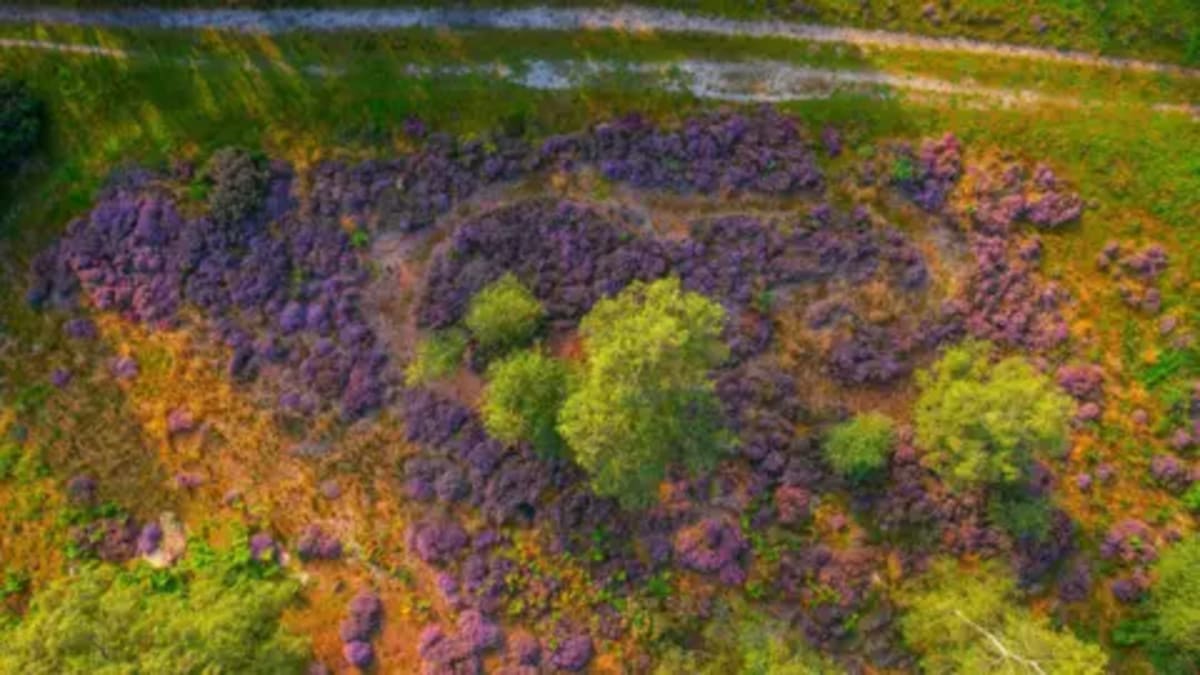
The comeback happened through focused protection and restoration of lowland heath habitats where nightjars nest on the ground. Park engagement rangers spent the past decade working with local communities, encouraging people to keep dogs on leads, stay on pathways, and avoid disturbing nesting sites.
The Ripple Effect
The nightjar's recovery isn't happening alone. Woodlarks and Dartford warblers are also showing promising population increases in the same restored habitats.
These lowland heaths once covered vast stretches of the South Downs but now make up just 1% of the national park. Engagement ranger Kirsty Murray calls them "as rare as the rainforest, supporting some of the UK's rarest species."
The success proves that targeted habitat protection combined with community education can reverse decades of wildlife decline. When people understand how their actions affect ground-nesting birds and adjust their behavior, entire ecosystems can bounce back.
Hearing nightjars churring away at dusk is now becoming a regular experience again across the South Downs, a sound that signals hope for Britain's rarest species.
More Images


Based on reporting by BBC Science
This story was written by BrightWire based on verified news reports.
Spread the positivity!
Share this good news with someone who needs it