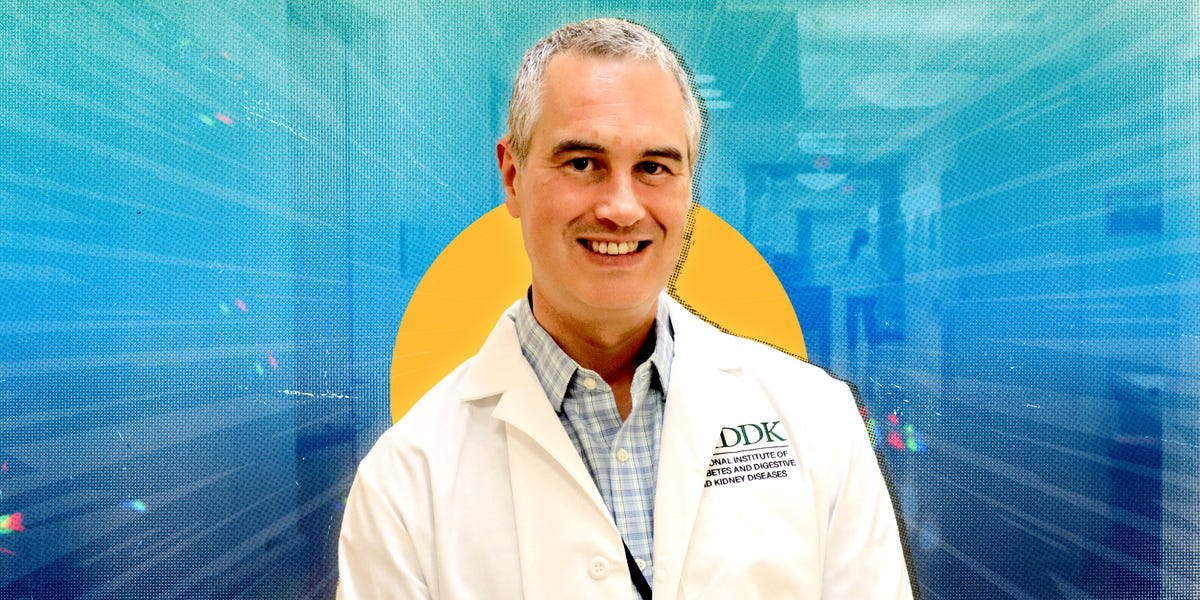
NIH Scientist Leaves to Keep Advancing Obesity Research
After 21 years of groundbreaking nutrition research at the NIH, Dr. Kevin Hall retired early but didn't stop fighting to help people understand food and health. He's now designing obesity treatments at a pharmaceutical company and sharing his discoveries in a new book.
A scientist who spent two decades uncovering how ultra-processed foods affect our bodies just took his mission to help people in a bold new direction.
Dr. Kevin Hall conducted the first major study proving that ultra-processed foods cause weight gain during his 21 years at the National Institute of Diabetes, Digestive and Kidney Diseases. His research helped millions of people understand why certain foods make it harder to stay healthy.
In April 2025, Hall retired from the NIH earlier than planned. He says administrative changes made it difficult to continue his work, including challenges buying research supplies and restrictions on sharing his findings with the public.
The NIH disputes his account, stating that scientists continue conducting interviews about their research and calling claims of censorship "a deliberate distortion of the facts."
Rather than let the setback end his mission, Hall immediately pivoted to where he could make the biggest impact. He joined pharmaceutical company AstraZeneca as a clinical scientist, designing early-stage studies for obesity treatments that could help people struggling with weight management.
He's also releasing a new book called "Food Intelligence: The Science of How Food Both Nourishes and Harms Us." The book translates his decades of research into practical information anyone can use to make better choices about what they eat.
Hall's recent work revealed fascinating insights about how our brains respond to food. His team discovered that ultra-processed milkshakes high in fat and sugar don't trigger the same dopamine response as truly addictive substances like cocaine or methamphetamine. The finding adds important nuance to conversations about food addiction.
Why This Inspires
Hall's story shows that passionate scientists find ways to keep serving the public good, even when their path gets blocked. Instead of walking away from his life's work, he found two new platforms to share knowledge that helps people live healthier lives.
His research matters because ultra-processed foods make up more than half of what many Americans eat. Understanding exactly how these foods affect our bodies and brains gives people power to make informed choices.
The dedication to keep going despite obstacles reminds us that important work finds a way forward.
More Images

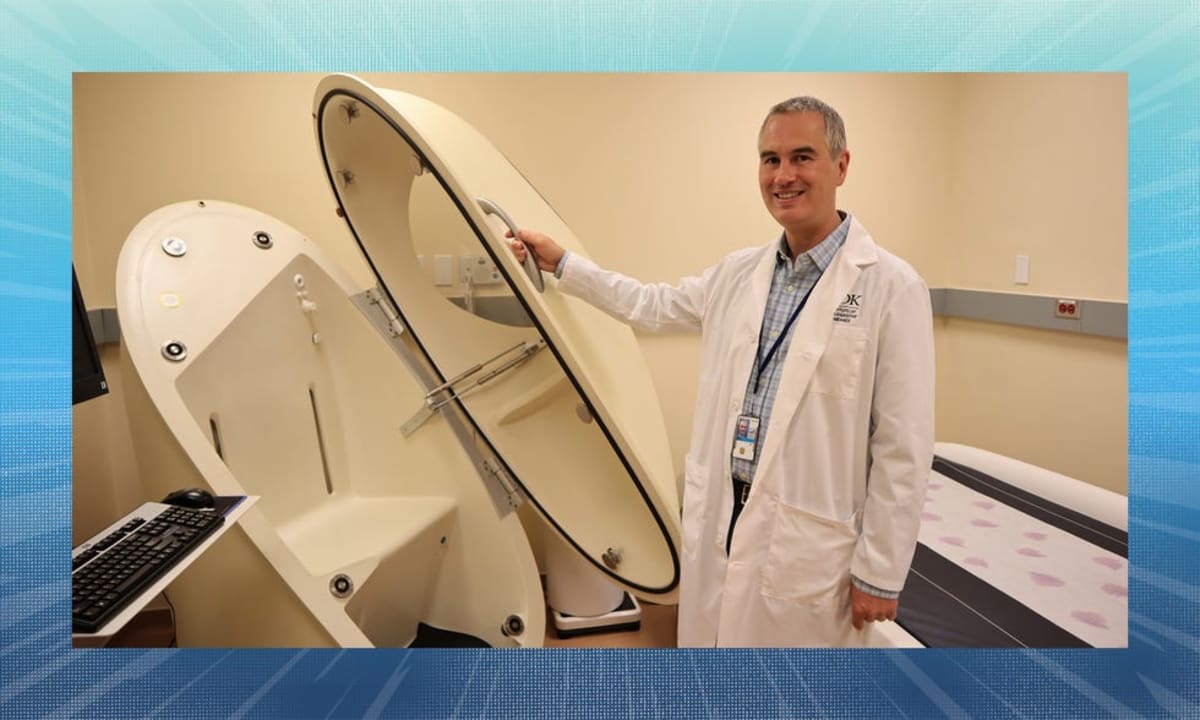

Based on reporting by Mens Health
This story was written by BrightWire based on verified news reports.
Spread the positivity!
Share this good news with someone who needs it