Nissan Engine Hits 42% Efficiency in Hybrid Breakthrough
Nissan's new hybrid engine squeezes 42% more energy from every drop of fuel, a huge leap in making cars cleaner and cheaper to run. The breakthrough proves combustion engines still have room to improve while we transition to electric.
The gas engine isn't dead yet, and Nissan just proved it can get dramatically better.
The Japanese automaker's new e-Power hybrid system achieves 42% thermal efficiency, meaning it converts nearly half of the fuel's energy into actual power instead of wasting it as heat. That's a massive jump from the 20-30% efficiency of older engines, and it means drivers burn less fuel for every mile traveled.
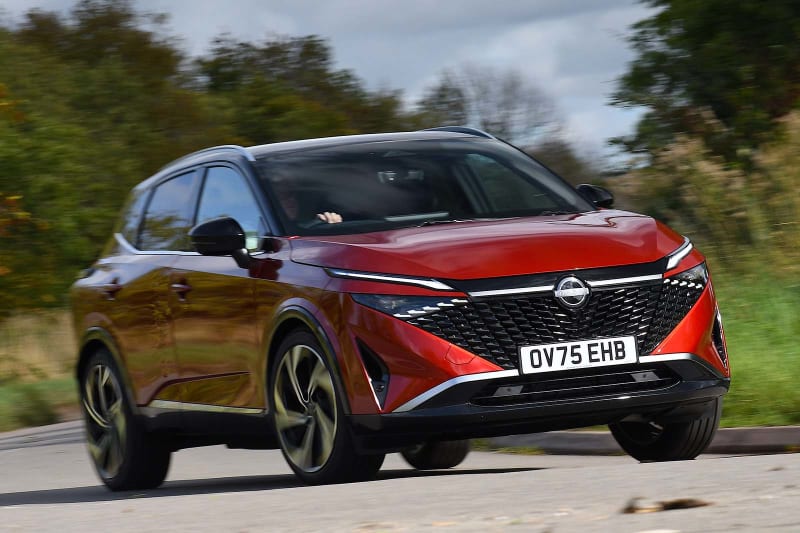
The secret lies in rethinking what an engine should do. In Nissan's Qashqai SUV, now in production in the UK, the 1.5-liter engine never directly turns the wheels. Instead, it works solely as a generator to charge the battery, which powers an electric motor that drives the car.
This design frees the engine from one of its biggest weaknesses. Traditional engines must constantly adjust to provide bursts of power for acceleration, which wastes energy. Nissan's engine runs at its most efficient speed, generating steady power without the stop-and-start demands that kill efficiency.
The engineering team used a combustion strategy called STARC that creates a strong tumble effect when air rushes into the cylinders. Combined with precise ignition timing, it burns fuel more completely than conventional designs.
One clever innovation involves spray-painting hardened material directly onto valve seats instead of pressing in metal rings. This tiny change gave engineers more freedom to shape airflow paths, improving how efficiently air and fuel mix before burning.
Why This Inspires
This breakthrough matters because it shows innovation isn't just about replacing old technology. Sometimes the biggest wins come from perfecting what we already have.
As the world transitions to electric vehicles, millions of hybrid and gas-powered cars will remain on the road for decades. Making those engines dramatically more efficient means lower emissions and fuel costs right now, not just in some distant future.
Nissan's engineers also added an unusually large turbocharger and achieved a 13:1 compression ratio, both contributing to the efficiency gains. When driving at highway speeds, the system can even send power directly from the engine-generator to the drive motor while charging the battery simultaneously.
The third-generation e-Power system, first introduced in 2016, represents years of refinement. Each version has pushed the boundaries of what's possible when you stop trying to make one engine do everything and instead optimize it for a single job.
For drivers worried about range anxiety with pure electric vehicles or frustrated by high fuel costs, hybrids like this offer a practical middle ground that's getting better every year.
Based on reporting by Google News - Tech Breakthrough
This story was written by BrightWire based on verified news reports.
Spread the positivity!
Share this good news with someone who needs it