Nissan Partners on Battery Tech to Rival China
Nissan just joined forces with a UK company to build next-generation batteries that could match China's prices without relying on expensive materials. The breakthrough uses abundant sulfur instead of pricey nickel and cobalt.
A struggling Japanese automaker is betting its comeback on batteries made from one of Earth's most common elements.
Nissan has teamed up with British company Gelion and the University of Oxford on a three-year project to develop solid-state batteries that swap expensive metals for affordable sulfur. The technology could help Western manufacturers compete with China's battery dominance without breaking the bank.
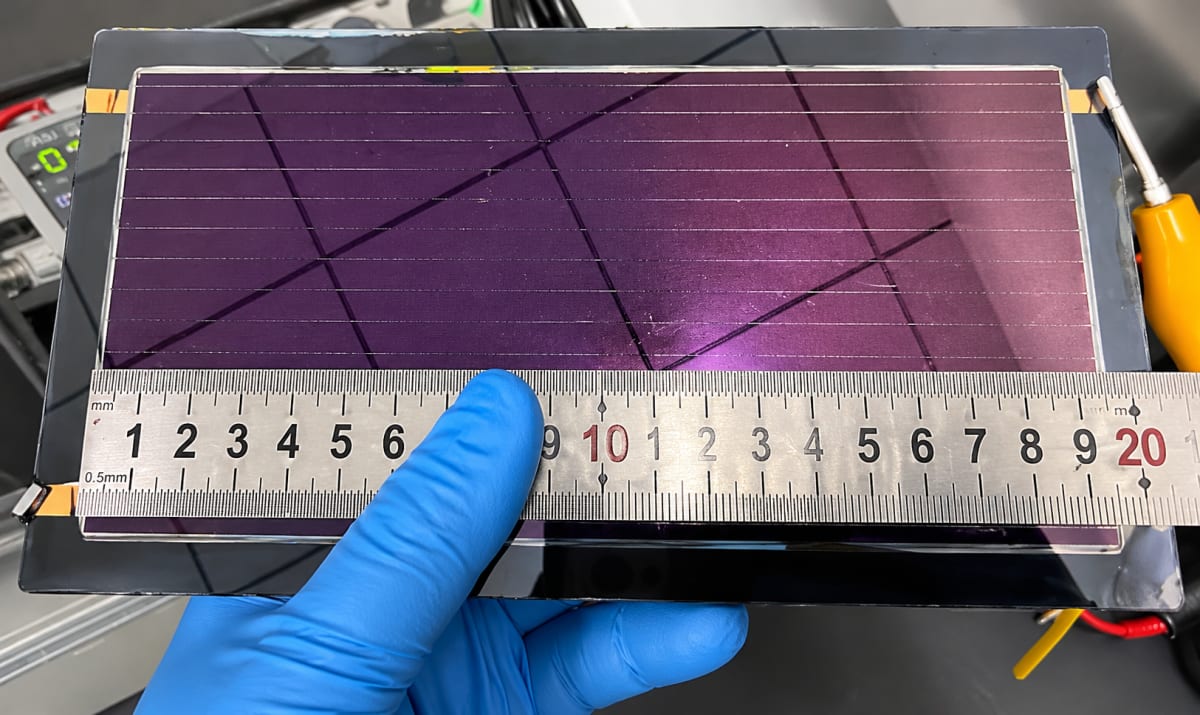
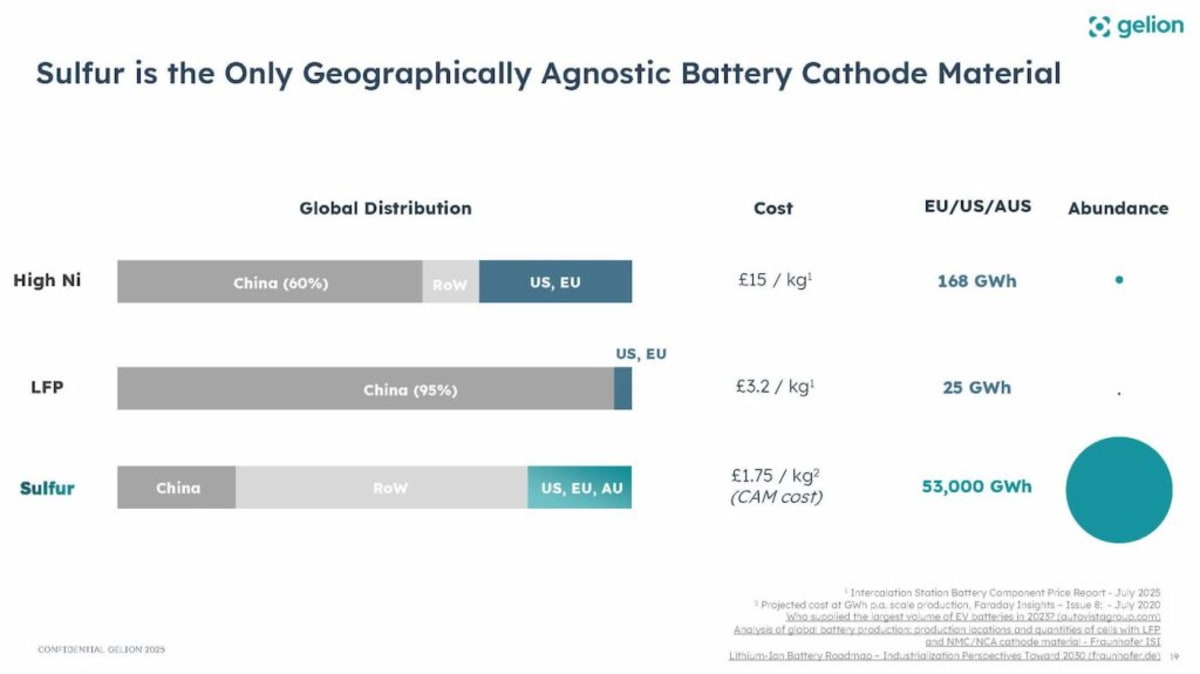
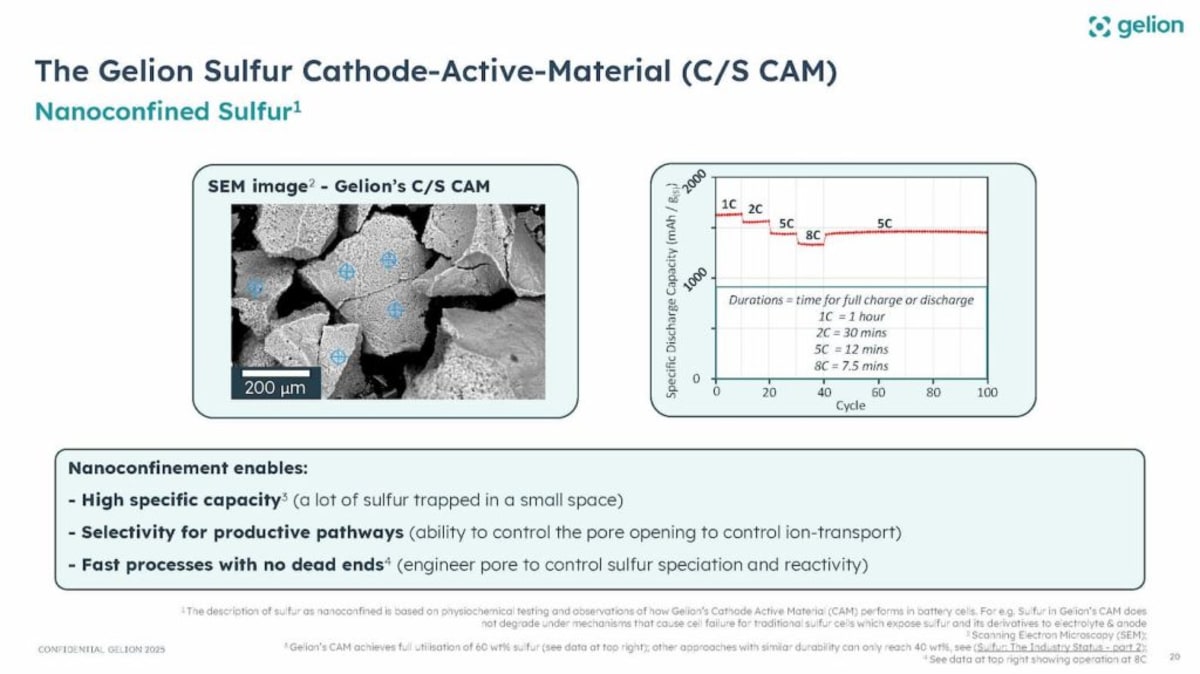
The secret lies in what Gelion calls NES (Nano-Encapsulated Sulfur), which replaces costly nickel and cobalt with sulfur that's cheap and widely available. Combined with Nissan's solid-state battery expertise, the partnership aims to create batteries that are safer, last longer, and cost less to produce.
A new research report titled "Cheaper Than China" suggests Gelion has cracked the code on making high-performance battery materials in the West for less than Chinese prices. That's a big deal for an industry where China currently holds most of the cards.
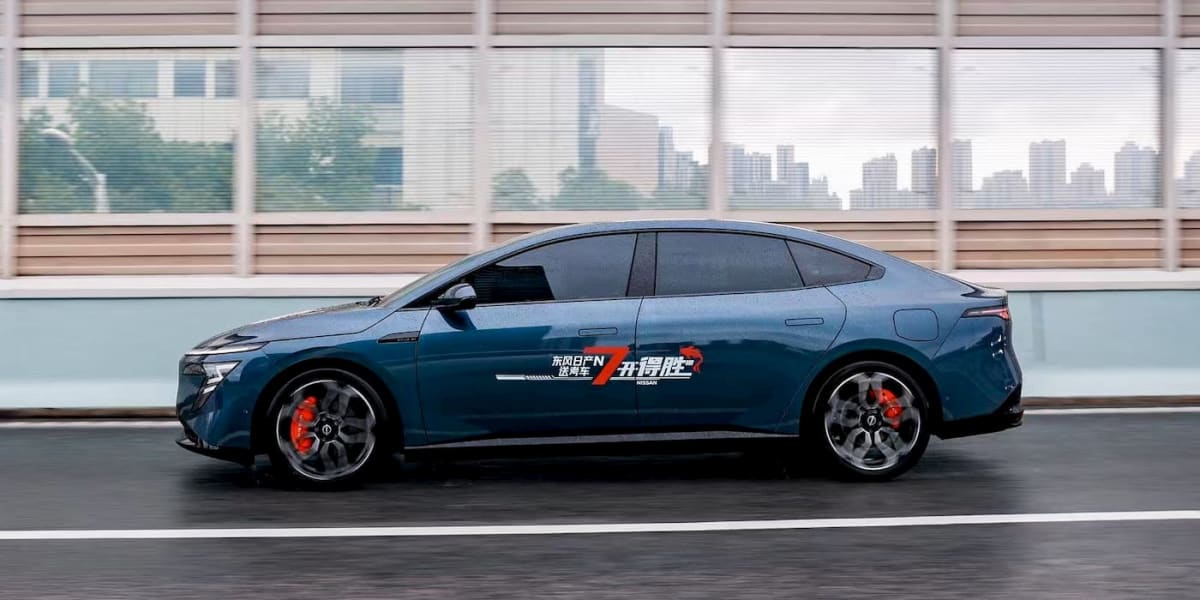
The $4.5 million project will receive about $3.2 million in grant funding. The team plans to deliver a working prototype by 2027, perfectly timed for Nissan's goal of launching its first solid-state battery car in 2028.
Nissan already opened its first solid-state battery production line in Japan this January and is partnering with US-based LiCAP Technologies to scale up manufacturing. LiCAP's technology eliminates traditional drying processes, giving Nissan what it calls a "significant advantage" in cost and efficiency.
Adrien Amigues, who leads the project for Gelion, called it a potential "game-changer for the UK, Nissan and Gelion." He noted that Gelion's sulfur technology works especially well with solid-state designs.
The Ripple Effect
This partnership shows how innovation can level the playing field in critical industries. By using abundant materials and smart chemistry, Western manufacturers are finding ways to compete without compromising on performance or sustainability.
The technology could enable electric vehicles to travel over 620 miles on a single charge, roughly double what today's lithium-ion batteries offer. That means fewer charging stops and less range anxiety for drivers.
While Chinese companies like BYD are also racing to perfect solid-state batteries with plans for limited production next year, Nissan's collaboration proves the competition is heating up globally. BYD's chief scientist acknowledged that mass production still faces challenges, meaning there's room for multiple players to succeed.
The partnership also supports jobs at Nissan's Sunderland plant in the UK, where the technology could eventually be manufactured. Sometimes the best solutions come from combining old chemistry (sulfur) with new engineering in unexpected ways.
More Images

Based on reporting by Electrek
This story was written by BrightWire based on verified news reports.
Spread the positivity!
Share this good news with someone who needs it