NJ Beach Town Deploys $10K Drone to Save Struggling Swimmers
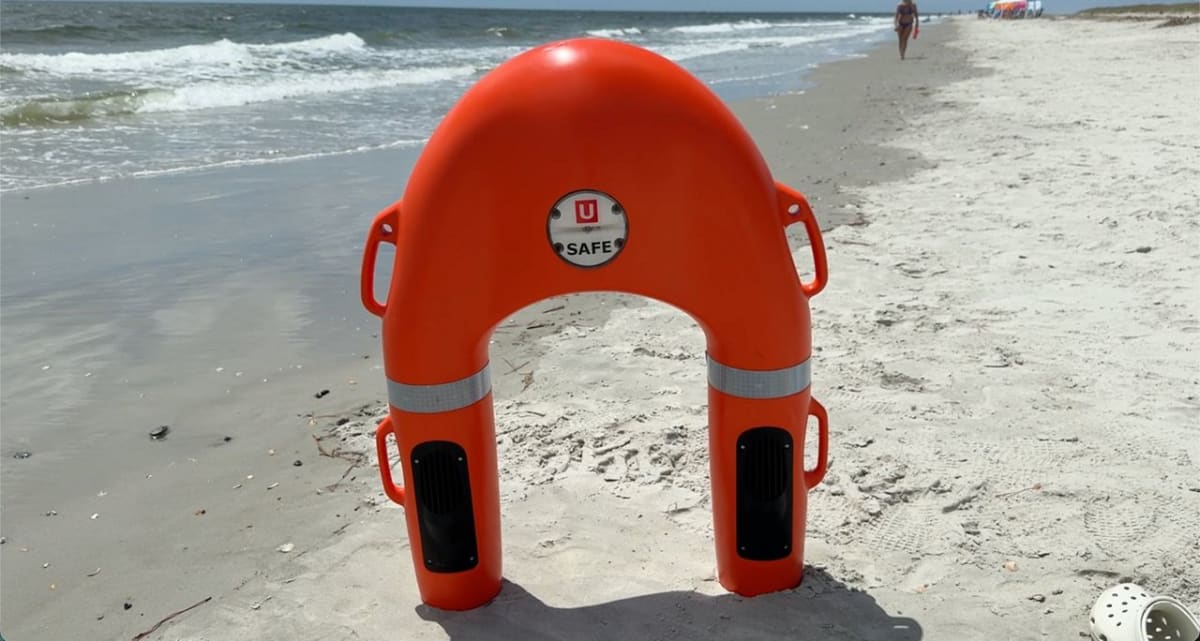
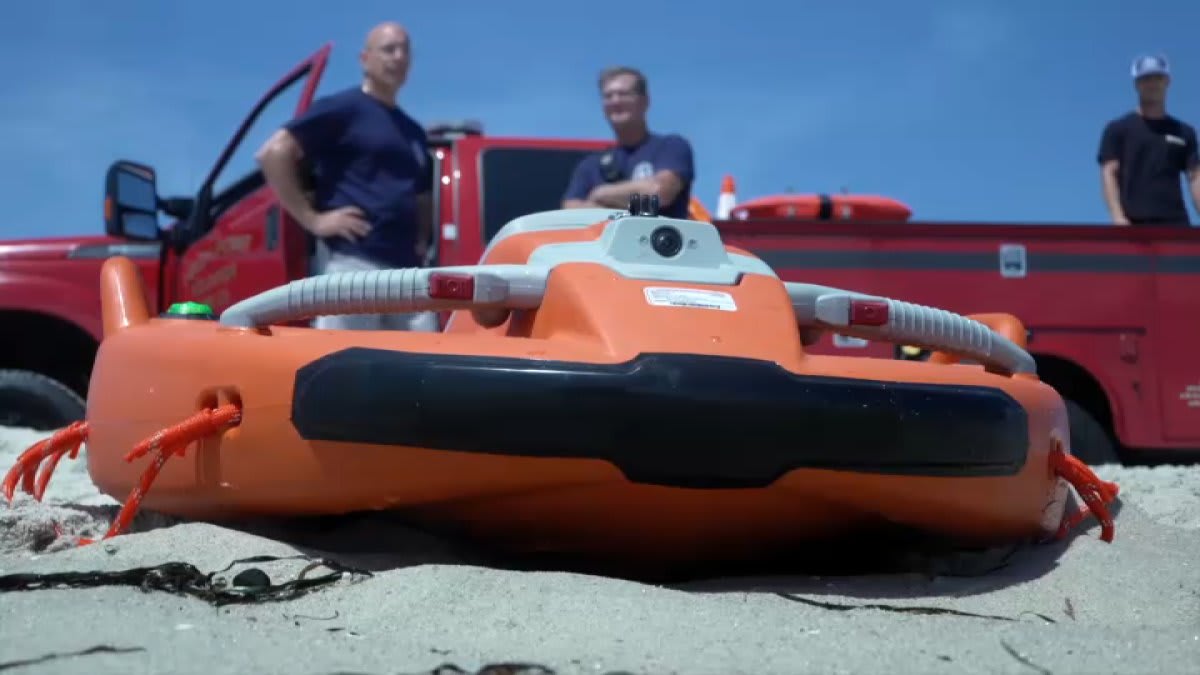
A New Jersey fire company is training with a high-tech rescue drone that races through waves at 15 mph to reach swimmers in distress. The Dolphin 3 can support up to 1,000 pounds and bring people safely to shore without risking first responders' lives.
When lifeguards pack up for the school year, a new robotic lifesaver is stepping in to protect swimmers at Harvey Cedars beach.
The High Point Volunteer Fire Company recently invested $10,000 in the Dolphin 3, a remote-controlled water rescue drone that can zip through ocean waves at speeds up to 15 mph. First responders are training now so they're ready when beach patrol staffing drops after Labor Day.
The sleek device works like a motorized life preserver that firefighters control from shore. When someone's struggling in the water, responders can pilot the drone directly to them, providing instant flotation while they wait for additional help to arrive.
Beach Patrol Chief Randy Townsend says the timing couldn't be better. "We're losing lifeguards on a daily basis. Staff is getting shorter. We're having to close beaches, too," he explained.
The drone solves a dangerous problem that puts both swimmers and rescuers at risk. Traditional water rescues require first responders to enter rough surf, sometimes in hazardous conditions. The Dolphin 3 does that dangerous work remotely.
Assistant Chief Nick Caricato sees it as a game changer for late summer emergencies. "It's going to allow us to put a rescue device in the water quickly, pinpoint it to where we want it," he said.
The Ripple Effect
The technology can handle multiple victims at once, supporting up to 1,000 pounds of weight. Its half-mile range means it can reach swimmers far from shore, and a first responder already in the water can even take manual control if needed.
Chief Paul Rice knows the $10,000 price tag might sound steep for a volunteer fire company. But he's looking at a different calculation: "If it saves one life, you know, three times as much would have been worth it."
As communities across the country face similar lifeguard shortages, Harvey Cedars is showing how smart technology can fill critical safety gaps without waiting for staffing problems to resolve.
More Images



Based on reporting by Google: rescue saves
This story was written by BrightWire based on verified news reports.
Spread the positivity!
Share this good news with someone who needs it