Nobel Physicist Uses AI to Crack Decade-Old Math Puzzle
A Nobel Prize winner teamed up with Claude AI to solve a frustrating physics problem that stumped researchers for over 10 years. In just 40 prompts, they proved why two mysterious numbers always added up to one.
Sometimes the breakthrough you need comes from asking for help in an unexpected place.
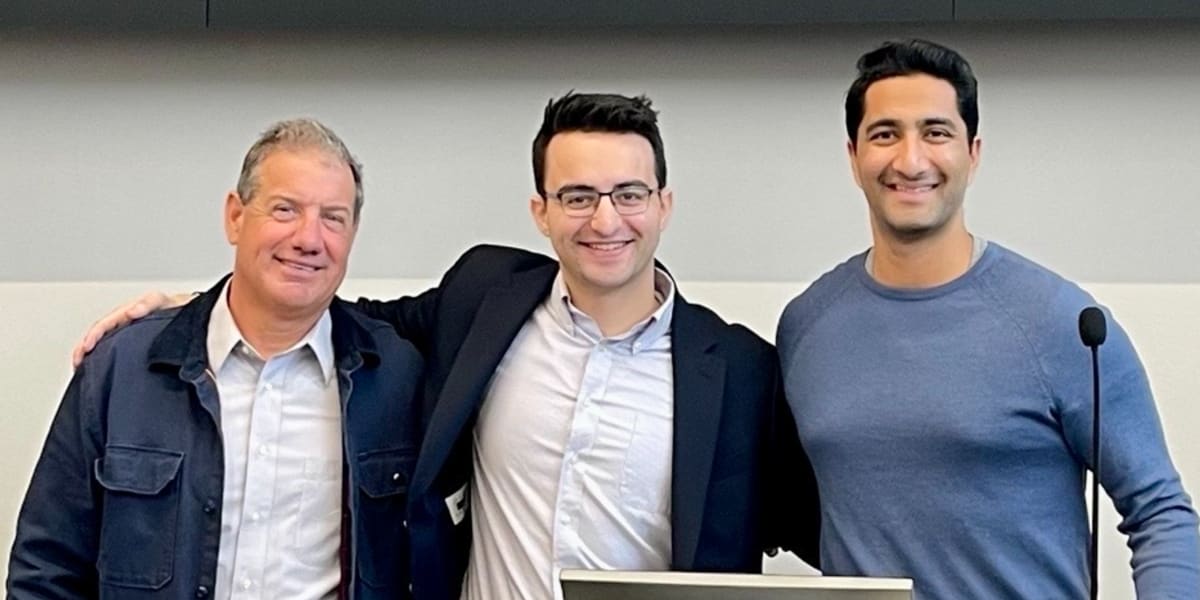
Nobel laureate Giorgio Parisi and physicist Francesco Zamponi just published something remarkable in the Journal of Statistical Mechanics. They solved a mathematical puzzle about "jamming" that had bothered them since 2014, and they did it with help from an AI assistant.
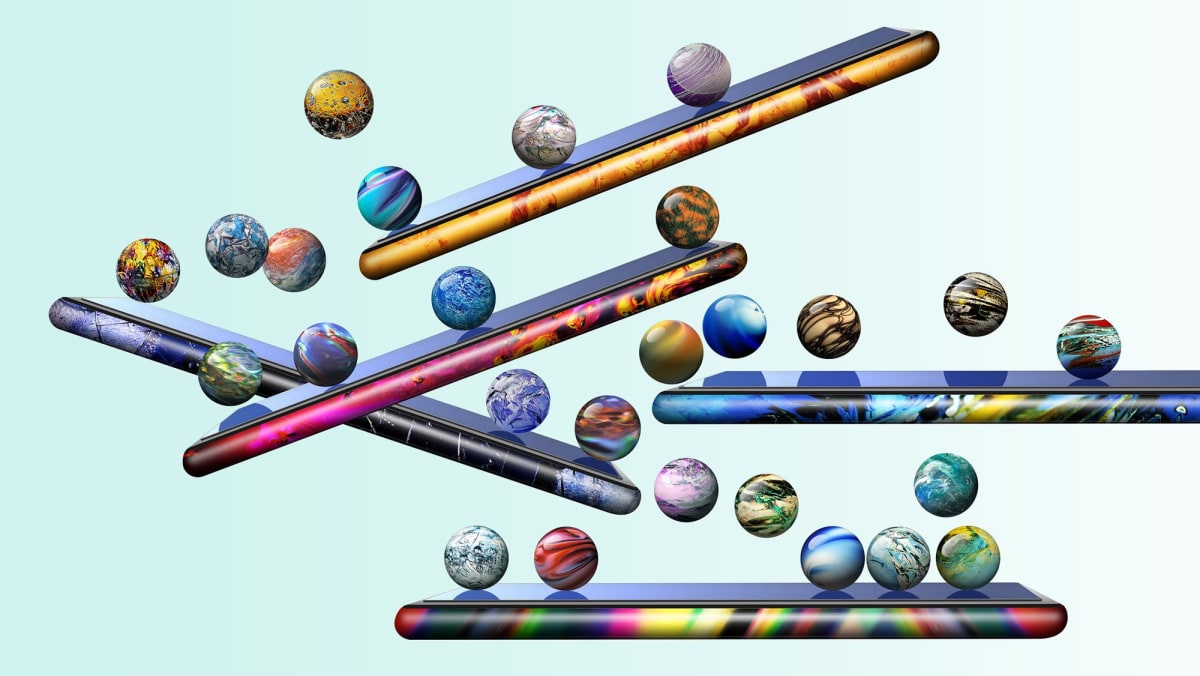
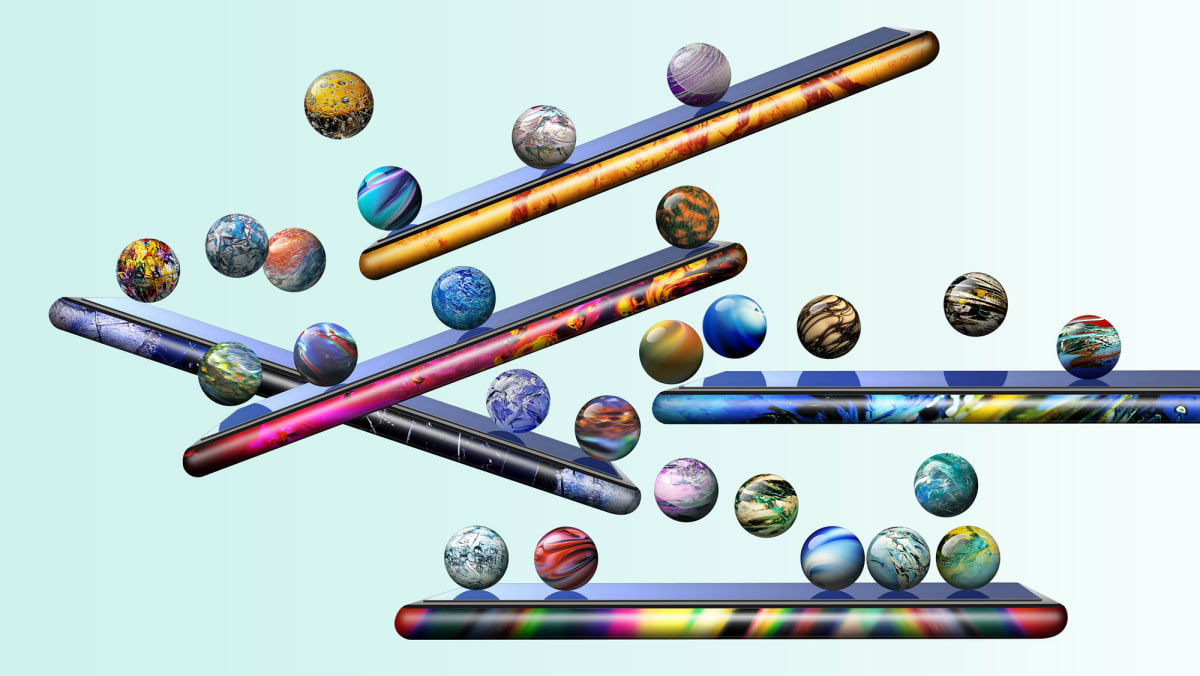
Jamming is what happens when a fluid system suddenly freezes into place. Picture adding billiard balls to a pool table one by one until they're so packed together that nothing can move anymore. That's a jammed state, and understanding it matters for everything from traffic flow to how materials behave under pressure.
Back in 2014, Parisi (who won the 2021 Nobel Prize in physics) and his team at Sapienza University of Rome mathematically described jamming. They noticed something odd: two parameters they called "a" and "b" always added up to exactly one. These parameters control how forces and gaps between particles scale at the critical jamming point.
"We were quite bothered by the fact that we had never been able to mathematically prove the relation a+b=1," Zamponi told Live Science. Another physicist named Matthieu Wyart used a completely different approach and got the same result, which suggested something fundamental was going on.
Ten years passed with no progress. Then Parisi had an idea: what if AI could see something they couldn't?
Why This Inspires
The team turned to Anthropic's Claude AI. After verifying that Claude could reproduce their 2014 numerical results, Parisi asked it to prove why a+b=1.
Zamponi was on an airplane when Parisi sent him Claude's output. "As I read through the LaTeX file Claude generated, it became immediately clear that the core idea was correct," he recalled. That moment changed how he thinks about what AI can do for theoretical physics.
The solution took just 40 prompts to refine into publishable form. The answer had been hiding in plain sight within their original equations all along. They didn't need new physics concepts or external assumptions, just a fresh mathematical perspective.
"We could not see the path forward, and Claude did," Zamponi said. Whether the AI used pattern matching from vast mathematical literature or something resembling creativity doesn't matter to him. It worked.
The collaboration shows how AI can offer instant access to mathematical skills that lie just outside a researcher's usual expertise. It's not about replacing human insight but expanding it, giving scientists new tools to tackle problems that have them stuck.
For Parisi and Zamponi, a decade of frustration ended with a conversation that proved sometimes the best way forward is asking the right question to someone (or something) who thinks differently than you do.
More Images



Based on reporting by Live Science
This story was written by BrightWire based on verified news reports.
Spread the positivity!
Share this good news with someone who needs it