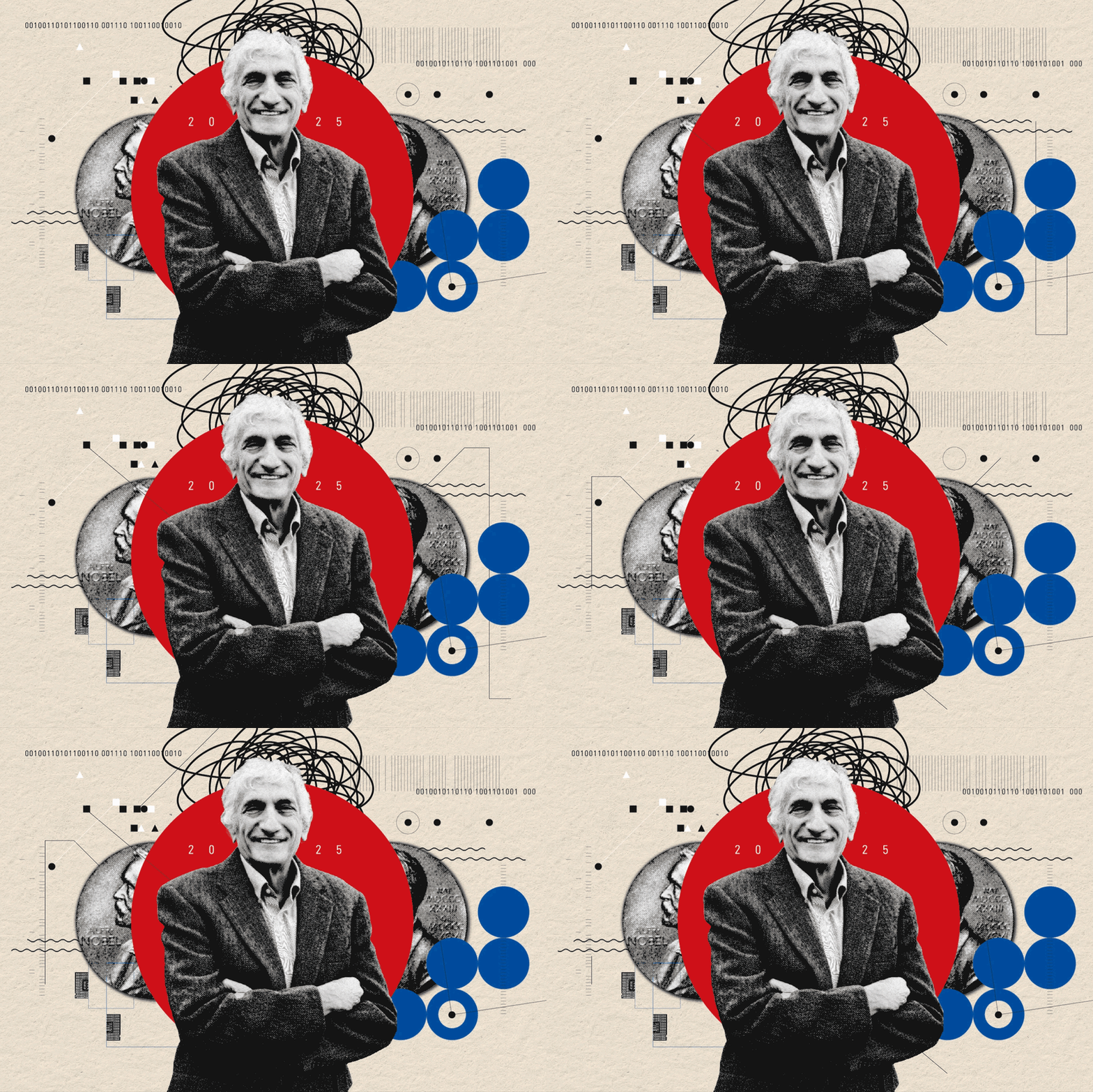
Nobel Winner Plans World's Most Powerful Quantum Computer
John Martinis, the Nobel laureate who helped Google achieve quantum supremacy, is launching a startup to build truly practical quantum computers. His new company QoLab promises a radically different approach that could finally make quantum computing reliable and affordable.
The physicist who helped prove quantum mechanics works at large scales is now racing to build the quantum computer that could change everything.
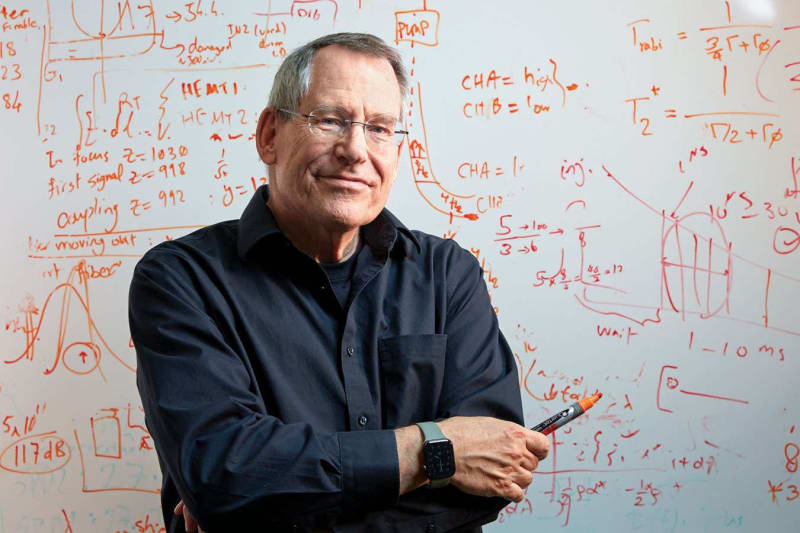
John Martinis isn't your typical Nobel Prize winner. He's a hands-on hardware guy who built his own microwave electronics and cryostats in the lab. That practical experience just helped him co-found QoLab, a quantum computing startup that he says will take a completely new approach to creating computers powerful enough to solve problems beyond our current reach.
Martinis earned his Nobel Prize for groundbreaking work in the 1980s that proved quantum effects could work at scales we can see and touch. His experiments with superconducting circuits showed that many charged particles could behave as a single quantum particle. That discovery laid the foundation for the quantum computers IBM and Google use today.
His second historic achievement came in 2019 when he led Google's team to quantum supremacy. For nearly five years, their quantum computer was the only machine in the world that could verify the output of a random quantum circuit.
Now approaching 70, Martinis thinks his decades of experience give him an edge that pure optimists lack. He knows where all the problems hide in quantum computing systems. While others keep pushing forward with existing designs, he stepped back to rethink everything from scratch.
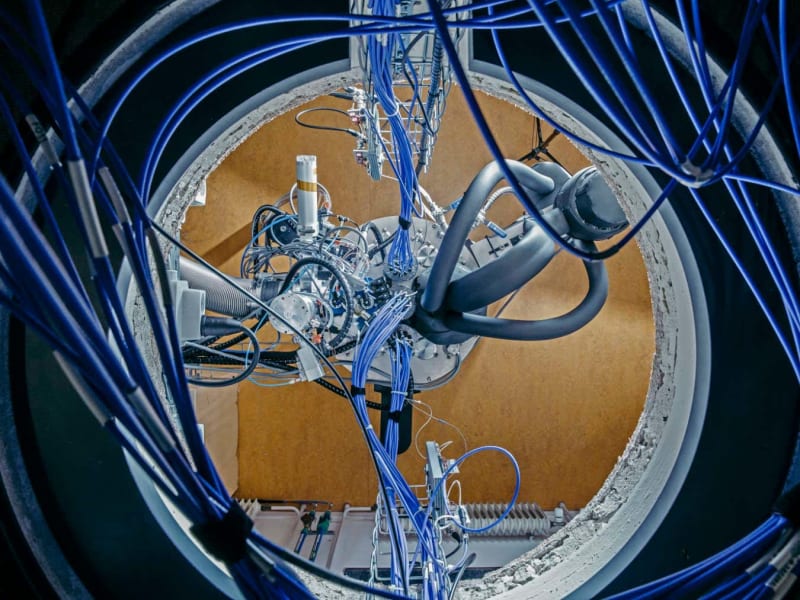
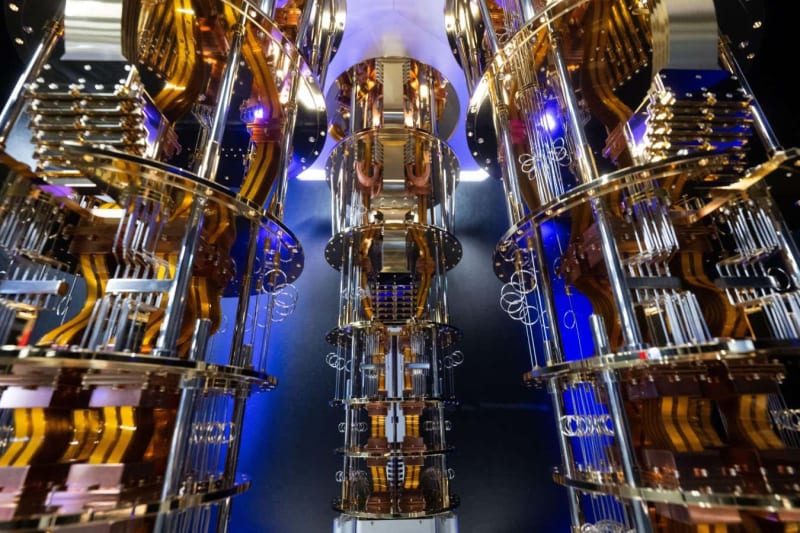
QoLab's approach dramatically changes how quantum bits are manufactured and how the whole system fits together, especially the wiring. The goal is making quantum computers reliable enough and cheap enough for widespread use. Martinis calls it systems engineering informed by deep understanding of the basic physics.
The Bright Side
After 40 years in quantum computing, Martinis sees progress that seemed impossible when he started. Back in the 1980s, researchers hadn't even tested whether a single quantum system could be properly controlled and measured. Today, thousands of physicists work on quantum computing full time.
His proudest achievement isn't the Nobel Prize or quantum supremacy. It's how many scientists now have careers exploring quantum mechanics and building quantum computers. The field exploded from a handful of researchers to a thriving industry.
Funding played a huge role in that growth. After theoretical breakthroughs like Shor's algorithm for breaking cryptography and quantum error correction, people could finally imagine building something real. Money followed imagination, and the technology followed the money.
The quantum computing community has met Martinis's new ideas with surprising skepticism and pushback. But he's been the underdog before. His first quantum mechanics experiment was an utter failure, but failing fast taught him what he needed to learn.
The next breakthrough in quantum computing might come from someone willing to start over and build differently.
More Images

Based on reporting by New Scientist
This story was written by BrightWire based on verified news reports.
Spread the positivity!
Share this good news with someone who needs it