Nobel-Winning Tech Harvests Water From Dry Air in Europe
When wells ran dry on drought-struck Mediterranean islands, a British entrepreneur built a machine that pulls drinking water straight from the air. The device uses chemistry that just won a Nobel Prize.
Hashem Arouzi watched his wells run dry on his property in Ibiza and knew thousands of others faced the same crisis across Europe's parched islands.
More than 15,000 properties in Ibiza alone aren't connected to water supplies and depend on wells that are now empty. Even the reservoirs that supply emergency water trucks are running out.
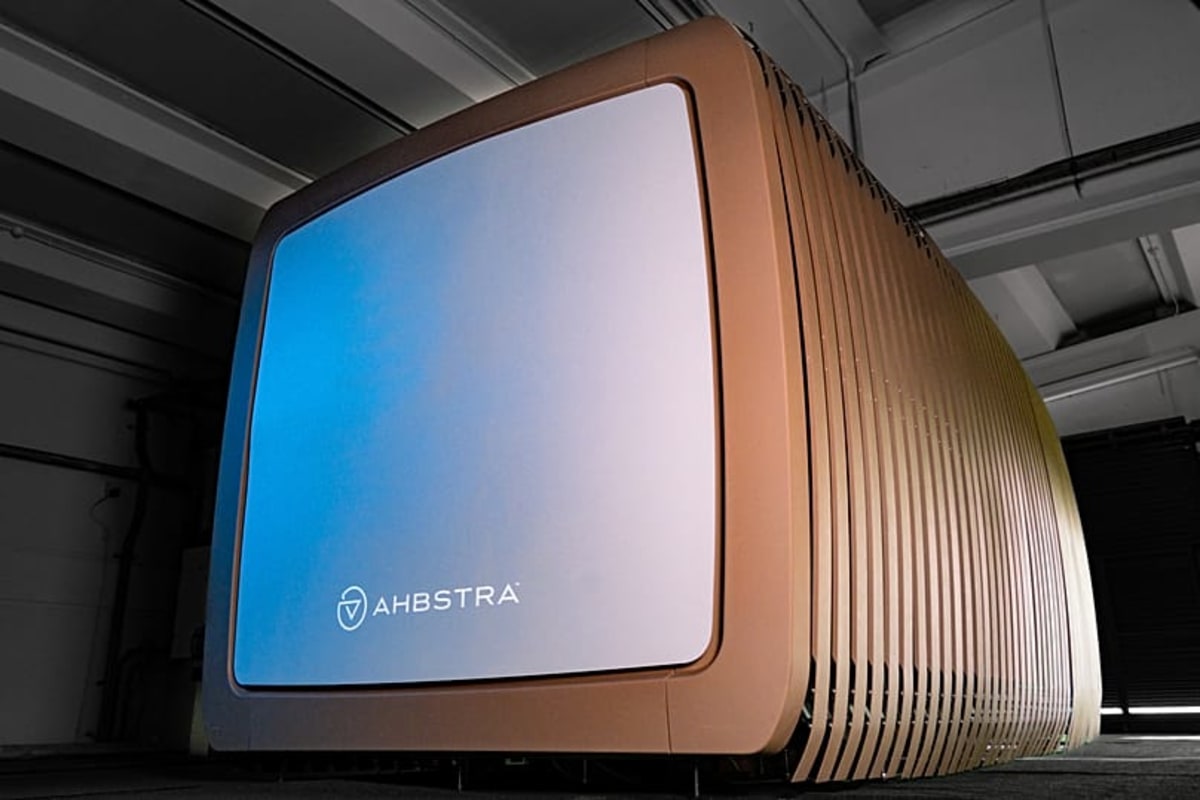
The British entrepreneur spent years developing a solution that sounds like science fiction: a machine that harvests drinking water from dry air. His company Ahbstra just unveiled the ARK in Barcelona, a device that can produce up to 500 liters of fresh water daily, even in hot, arid conditions.
The secret lies in Metal-Organic Frameworks, a breakthrough molecular structure that won the 2025 Nobel Prize in Chemistry. Three scientists spent decades perfecting MOFs: Susumu Kitagawa from Japan, Richard Robson from Australia, and Omar M. Yaghi from the United States.
These "magic materials" pack the surface area of an entire football pitch into just one gram. Their tiny cavities physically grab water vapor molecules directly from low-humidity air, no energy-intensive cooling required.
Traditional atmospheric water generators work like dehumidifiers, cooling air until water condenses. That method fails when humidity drops too low because the dew point becomes unreachable.
MOFs work differently. They're adsorbents that bind water molecules to their surface, then release them as liquid with just a modest amount of heat.
Ahbstra's innovation uses a patented Suspended Particle Reactor that cycles air through MOF granules to maximize their water-catching performance. The company plans to start installing units in off-grid Mediterranean villas and hotels as soon as next year.
At £150,000 per unit, the technology isn't cheap. But for property owners facing devaluation or abandonment due to water scarcity, it could be invaluable.
The Ripple Effect
Around 30 percent of people in southern Europe now face permanent water stress, according to the European Environment Agency. This summer's successive heatwaves and droughts have pushed the crisis to breaking point.
Richard Perkin, Ahbstra's chief technology officer, says tackling water stress requires a whole-system approach. Better infrastructure, water recycling, and conservation all matter.
But when dams and wells sit empty, they can only refill when rain falls in the right place. "This is why atmospheric water harvesting is a necessary part of the response," Perkin explains.
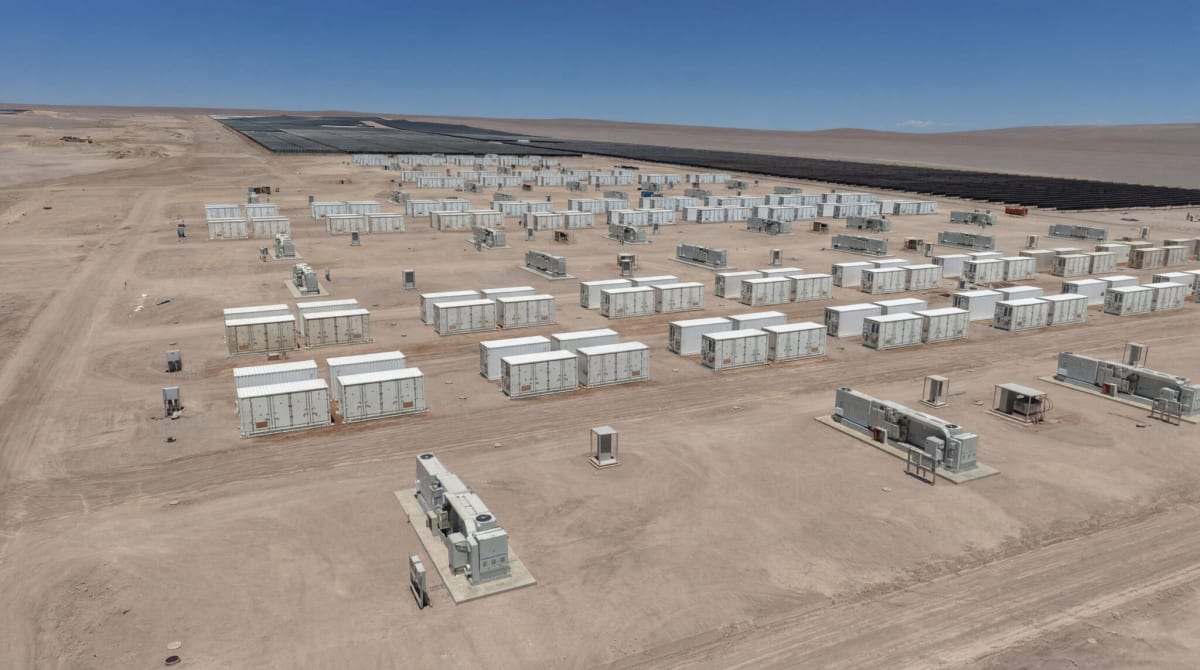
Omar Yaghi's own company, Atoco, unveiled a larger MOF-based harvester in February that produces up to 1,000 liters daily using only ambient heat. Those shipping-container-sized units could serve disaster-hit communities and even provide water for data centers using their waste heat.
Both companies are developing smaller systems too, bringing Nobel-winning chemistry to homes around the world. What started as one man's dry wells could help millions secure their water future.
More Images



Based on reporting by Euronews
This story was written by BrightWire based on verified news reports.
Spread the positivity!
Share this good news with someone who needs it