Norfolk Reserve Celebrates 50 Years of Rare Wildlife Wins
A hidden wetland sanctuary in Norfolk has spent half a century bringing threatened species back from the brink. Now home to rare cranes, swallowtail butterflies, and otters, Strumpshaw Fen proves that careful conservation can help wildlife thrive.
A 1,112-acre nature reserve tucked away in England's Norfolk Broads is celebrating 50 years of conservation success, and the results speak for themselves.
Strumpshaw Fen has transformed from unmanaged fenland into a thriving sanctuary where some of Britain's rarest species now flourish. When the RSPB took over the site in the mid-1970s, they had a vision: create habitats where wildlife feels safe enough to not just survive, but thrive.
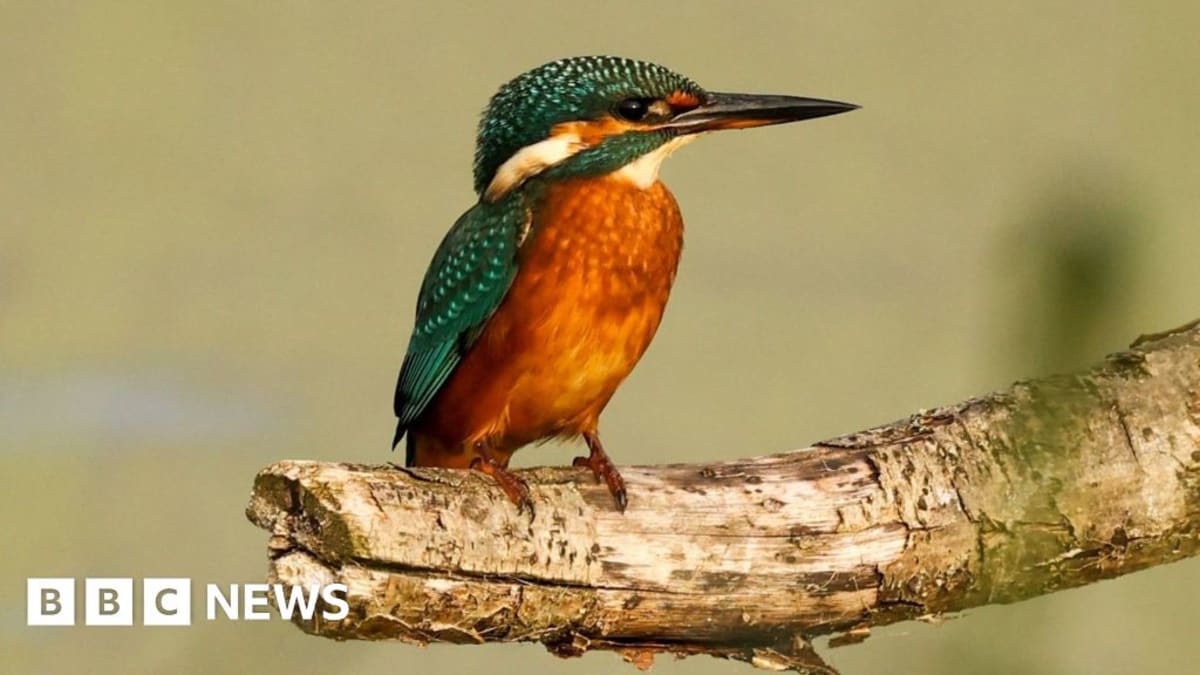
That vision became reality. This summer, a pair of cranes successfully raised a chick at the reserve, a significant win for a species that's extremely rare in the UK. The wetland also supports nesting bitterns, the stunning swallowtail butterfly (Britain's largest), and even the elusive fen raft spider.
Reserves manager Helen Deavin calls Strumpshaw a "hidden gem" where rare wildlife is surprisingly accessible to visitors. Marsh harriers soar overhead while bearded tits flit through reed beds. Otters play in the waterways alongside water voles, and Chinese water deer wander the grazing marshes.
"There's this incredible, really quite rare wildlife but actually it's really possible for people to see it," Deavin said. The reserve spans the equivalent of 630 football pitches, creating diverse wetland habitats where threatened species can find food, shelter, and safe places to raise families.
The Ripple Effect
Strumpshaw's success demonstrates what happens when conservation gets the time and space it needs. The reserve has become more than a wildlife sanctuary. For BBC cameraman Shaun Whitmore, it's a place of personal transformation.
In 2016, when Whitmore faced a mental health crisis, he turned to Strumpshaw's reed beds and marshes for solace. Nature provided him a path forward during his darkest moments. Three years later, he proposed to his future wife there on his birthday.
"It's a perfect place to relax and enjoy the fresh air and freedom that we all need in our busy lives," Whitmore said. His story reflects what researchers increasingly understand: protecting wild spaces benefits both wildlife and human wellbeing.
The reserve now hosts guided walks and educational programs, connecting thousands of visitors each year with the magic of wetland ecosystems. Teams have carefully managed habitats for decades, creating conditions where rare orchids bloom and sharp-leaved pondweed (threatened across Europe) can spread.
Climate challenges loom ahead. This summer's heatwaves tested the ecosystem, and staff are preparing for increased flooding and saline surges as weather patterns shift. But five decades of conservation work has built resilience into the landscape.
As Strumpshaw marks this milestone with celebration events including guided Sunday walks, the message is clear: dedicated conservation works, rare species can recover, and protecting nature creates places where both wildlife and people can heal.
More Images

Based on reporting by BBC Science
This story was written by BrightWire based on verified news reports.
Spread the positivity!
Share this good news with someone who needs it